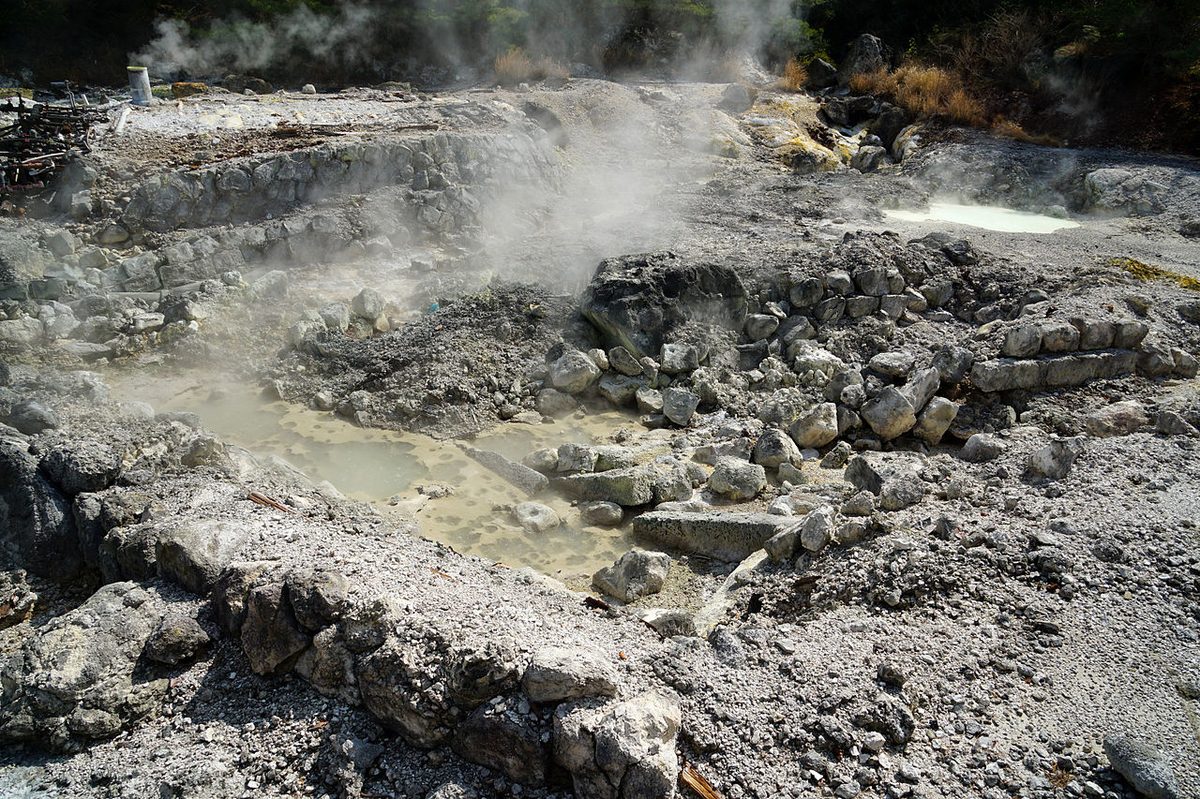
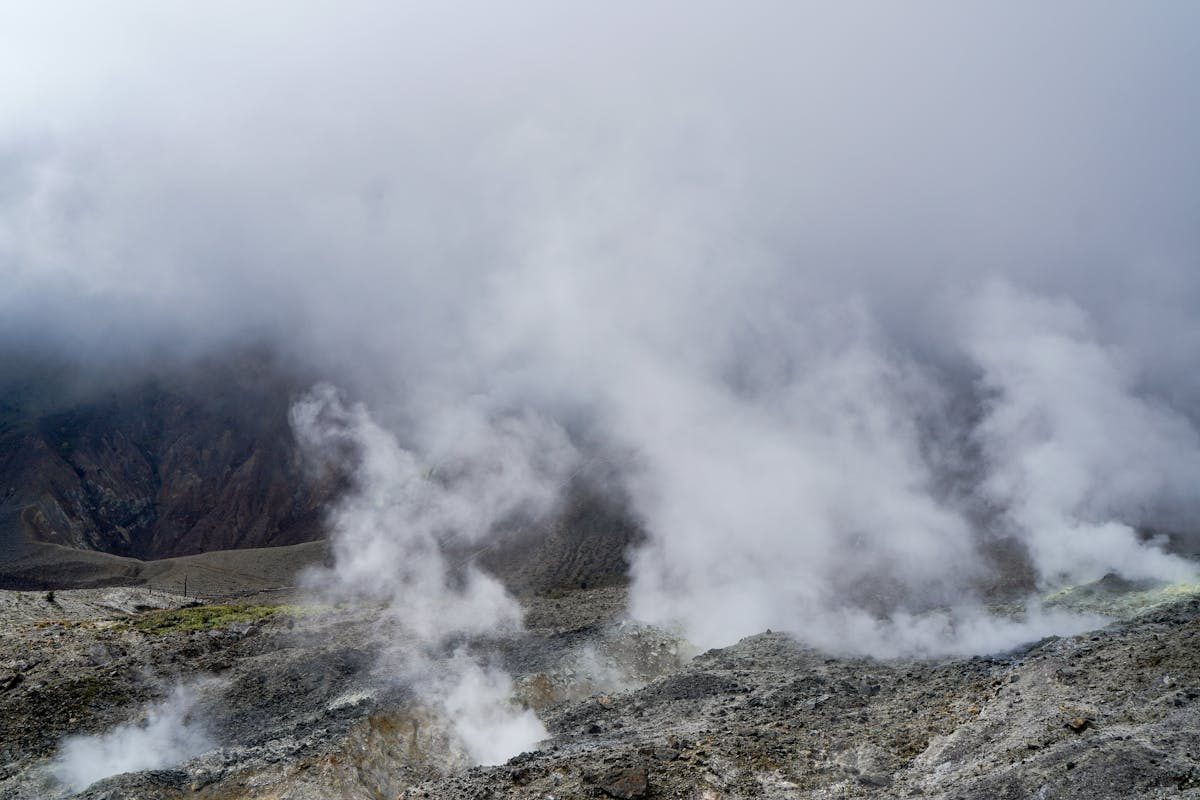
The ground was warm under my feet. Not metaphorically — actually warm. I was standing on a boardwalk at Unzen Jigoku and the heat was coming up through the wooden slats. Steam was pouring out of cracks in the rock on both sides of the path, the air smelled like rotten eggs, and a pool of milky grey water was bubbling about three metres away with the casual violence of a pot left on the stove too long. A sign next to the pool said the water temperature was 120 degrees Celsius. I took a step back.
In This Article
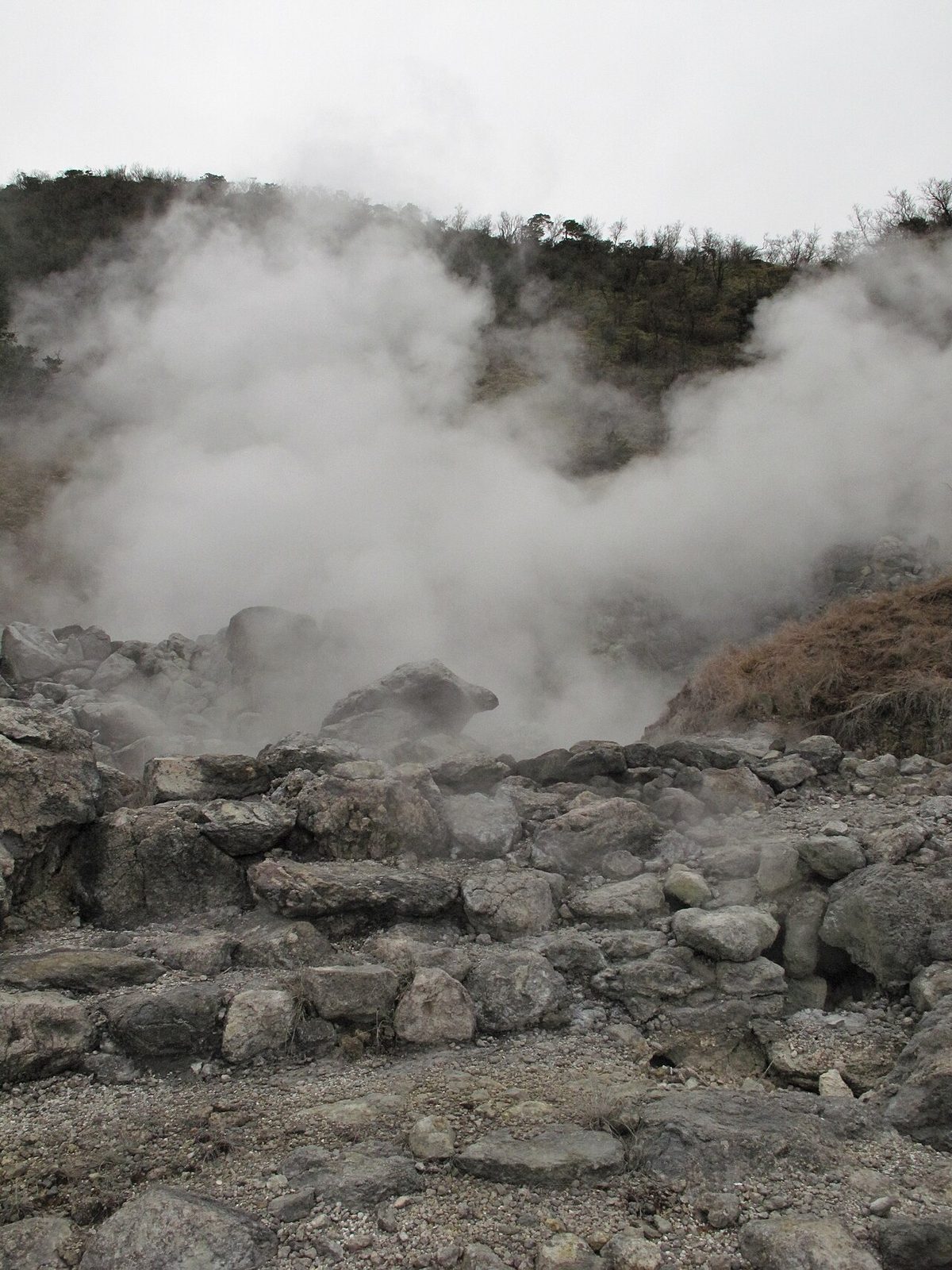
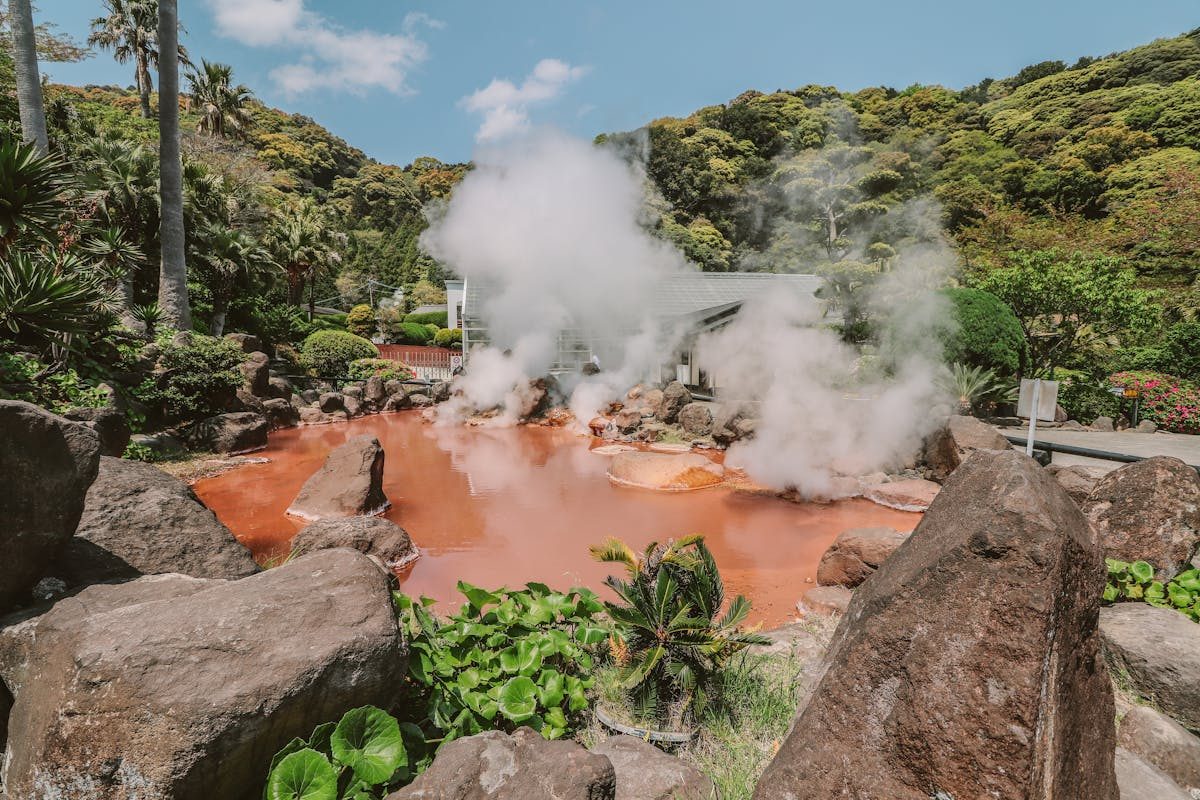
Jigoku means “hell” in Japanese, and Unzen’s version earns the name. This is not a manicured hot spring garden. It is a geothermal field of boiling pools, hissing fumaroles, and ground that is actively trying to cook you. The whole area reeks of sulphur, the rocks are stained yellow and white by mineral deposits, and nothing grows within fifty metres of the most active vents. It is one of the most unsettling and fascinating places I have visited in Kyushu.
What You See at Unzen Jigoku
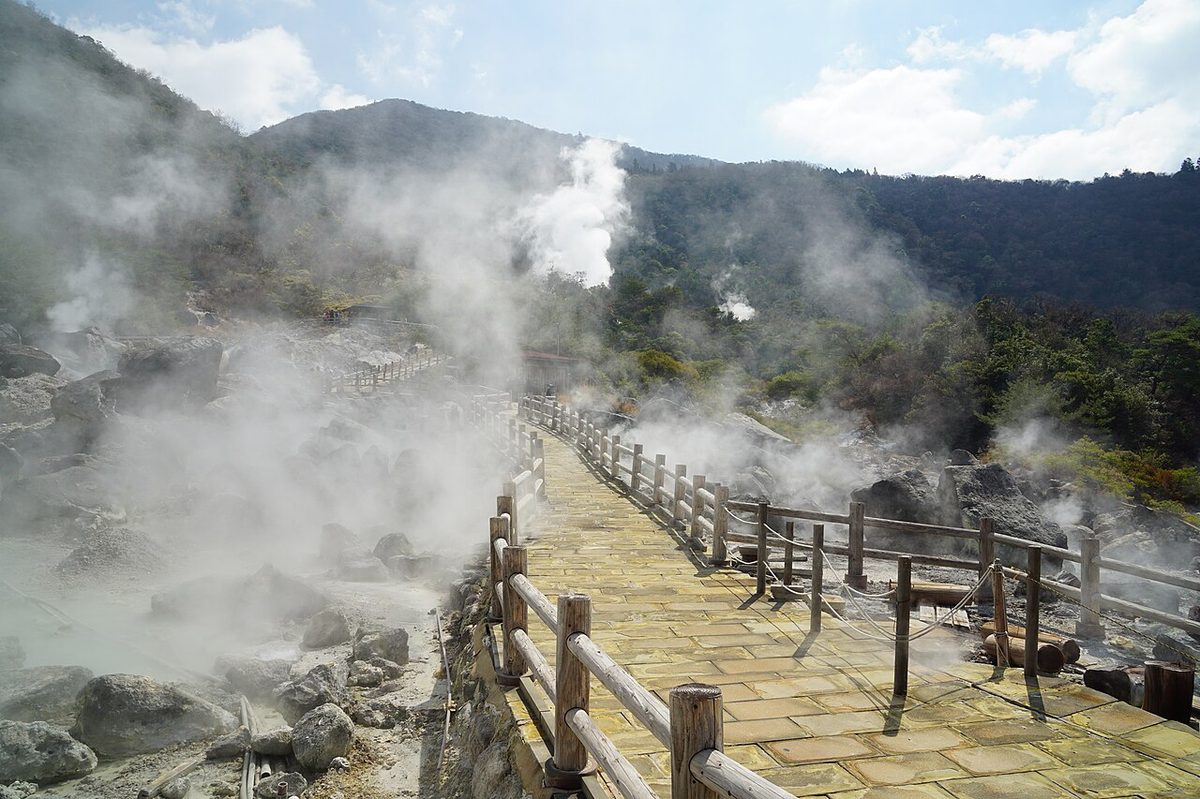
A network of paved paths and boardwalks winds through the most active part of the geothermal field. The route takes about 30-40 minutes if you walk it without stopping, but you will stop. There are steam vents shooting jets of white vapour several metres into the air. There are pools of acidic water in shades of grey, green, and milky white, bubbling constantly. There are patches of bare rock where the heat has killed everything and the ground hisses when rain hits it.
The paths lead past several named hells — each one a particularly active vent or pool with its own character. Some are quiet bubblers. Others roar. The largest ones throw up enough steam to obscure the path ahead of you on humid days. Information boards along the route explain the geology and chemistry of what is happening underground — how rainwater seeps down, gets superheated by magma, and forces its way back up through fractures in the rock.
There are a few shops near the main path selling onsen tamago — eggs that have been slow-cooked in the hot spring water. The shells turn brown and the whites have a faintly sulphurous taste that is better than it sounds. At about ¥100 for a bag of two or three, they are the cheapest and most authentic snack in town. Eat them while they are warm.
The Dark History
What makes Unzen Jigoku genuinely unsettling is not the geology. It is what happened here in the 1620s and 1630s.
In the early 1600s, Christianity had gained a significant following in Kyushu, particularly around Nagasaki. The Tokugawa shogunate, alarmed by the growing influence of European missionaries and the loyalty that converts showed to a foreign religion over the state, launched a brutal crackdown. Unzen Jigoku became one of the execution sites.
Captured Christians were brought to these boiling pools and given a choice: renounce their faith or be thrown in. Many refused. The accounts describe people being lowered into the scalding water, pulled out, and lowered again — not to kill them quickly but to break their will. Those who still refused were killed. The exact numbers are unclear, but dozens of people died here this way. A memorial along the walking path marks the site and names some of the victims.
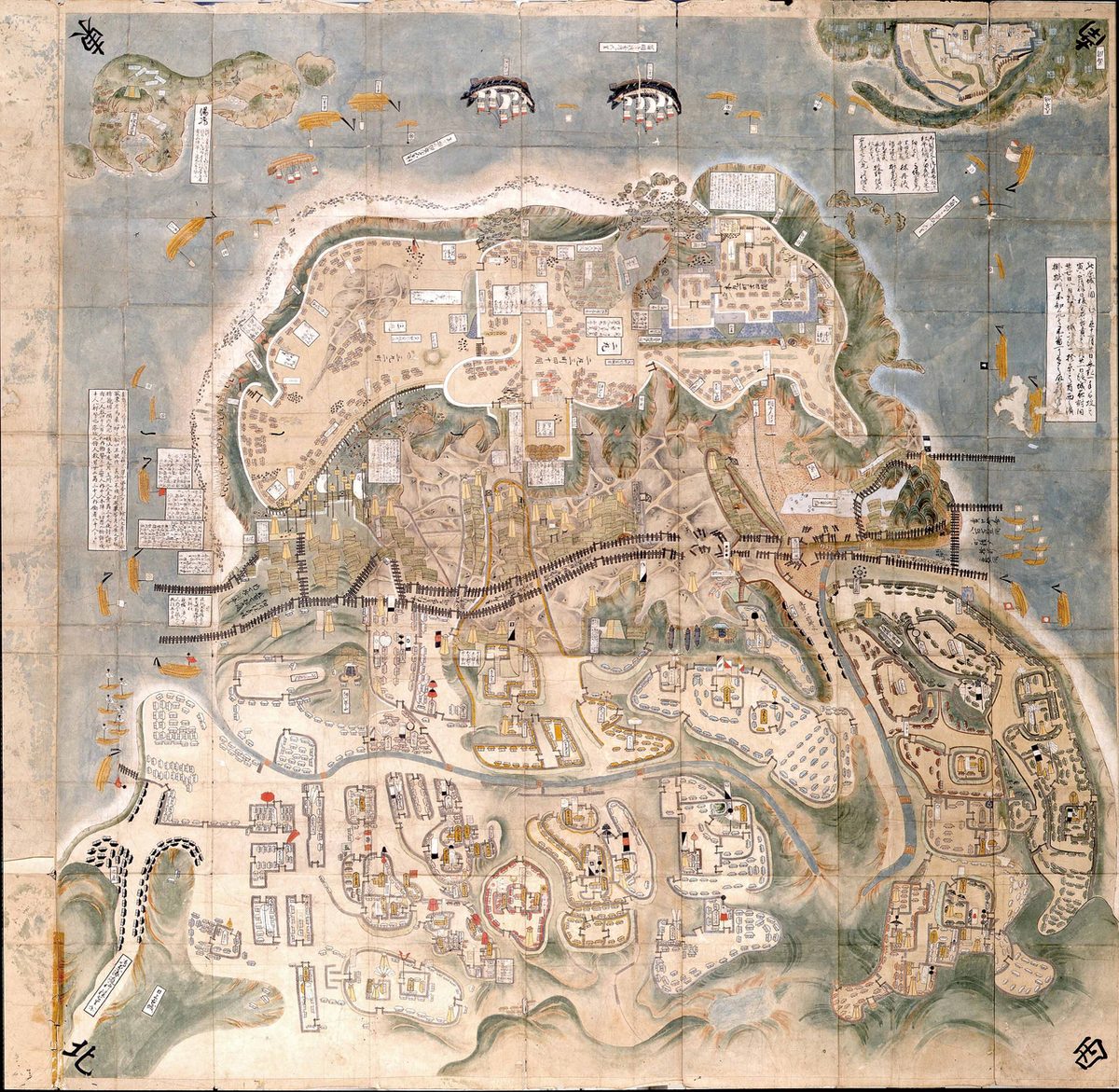
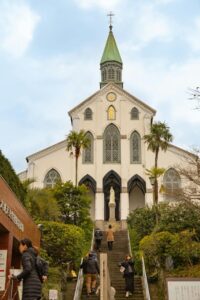
This history connects directly to the story of the Hidden Christians of Nagasaki — the communities that practiced Christianity in secret for over two centuries after the persecutions. If you have read about Oura Cathedral and the discovery of the hidden Christians in 1865, Unzen is where some of the earliest chapters of that story played out. Walking through the steam with that knowledge changes the experience completely.
Unzen Onsen Town
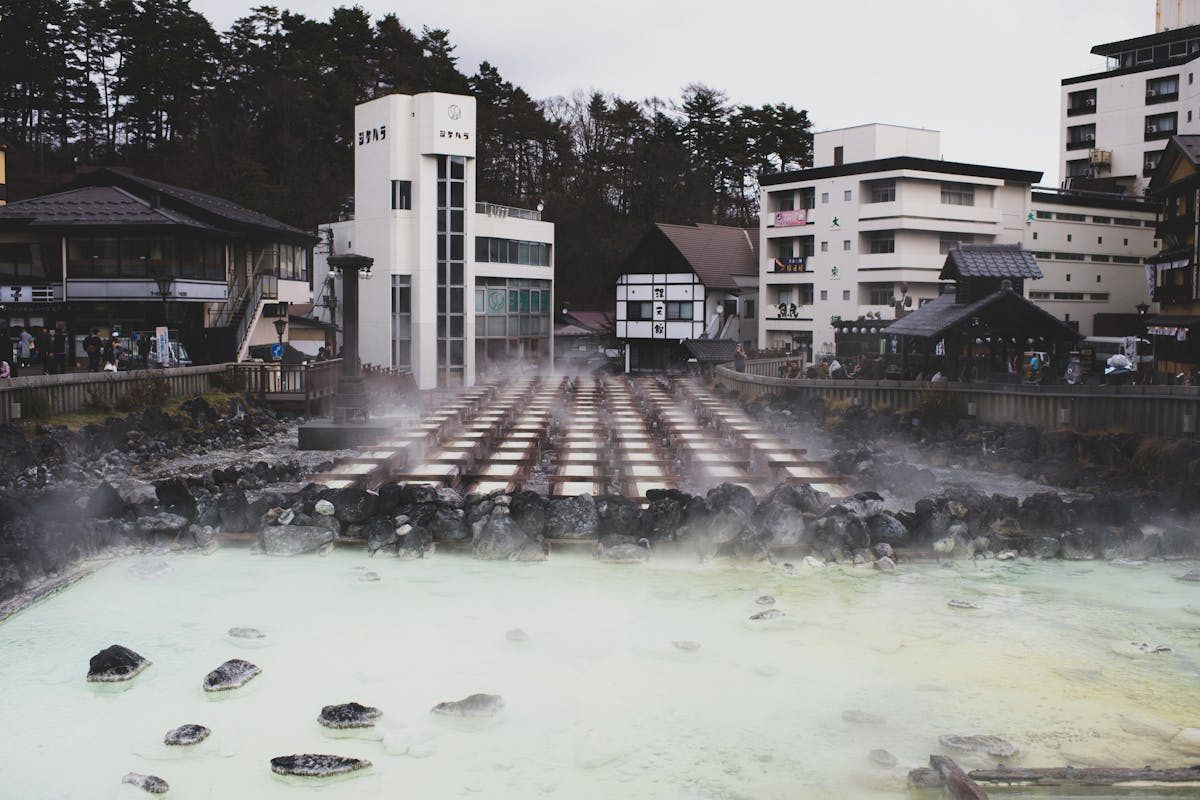
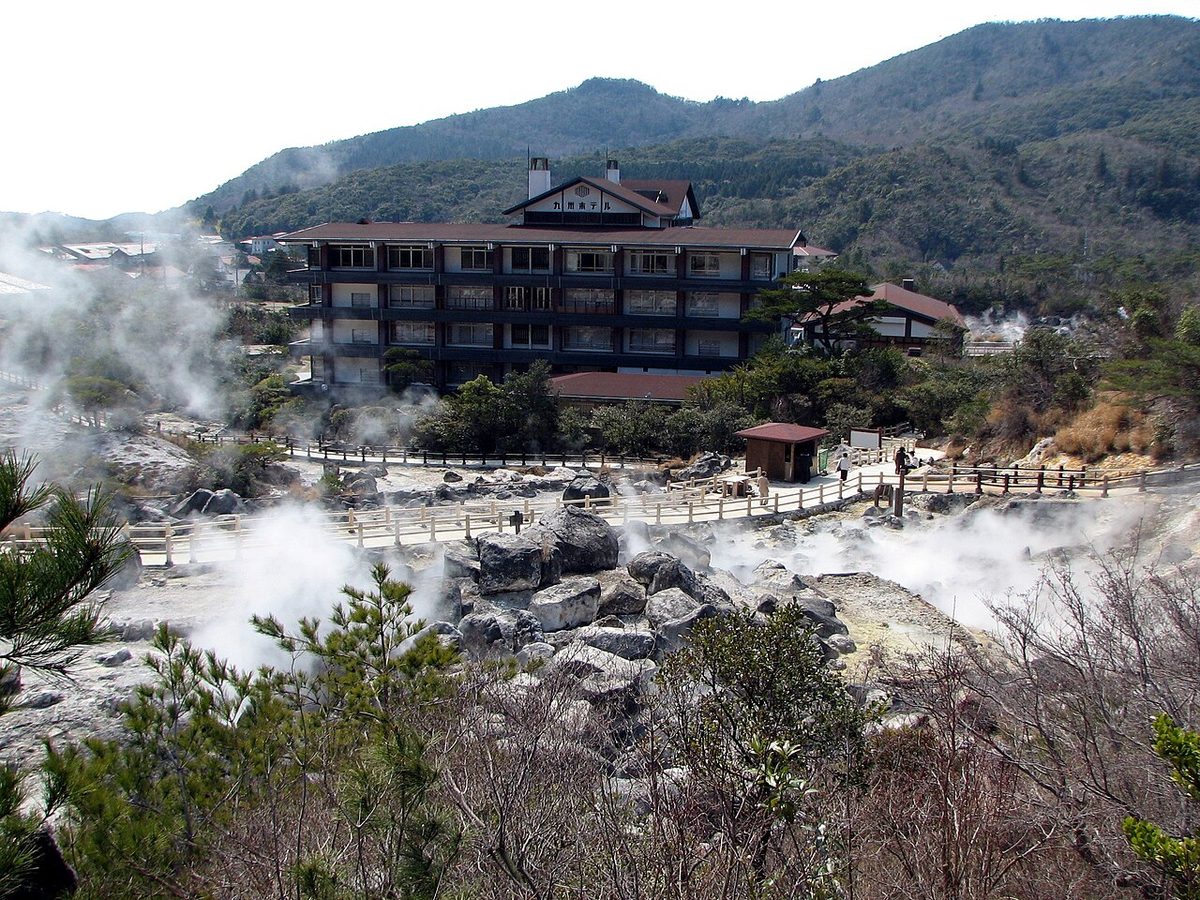
The town of Unzen Onsen wraps around the edge of the geothermal field. It is a quiet, slightly faded hot spring resort that feels like it has not changed much since the 1980s — in a good way. The ryokan here use the same geothermal water from the hells, piped and cooled to a temperature that will not melt your skin. The water is highly acidic and milky white, and it leaves your skin feeling oddly smooth.
Unzen has an interesting history as a resort town. It was originally a Buddhist temple town — at its peak it was large enough to be compared to Mount Koya. Then in the Meiji era it became one of Japan’s first tourist resorts popular with foreign visitors. There is still a faint Western influence in some of the older buildings around town. The contrast between the European-style architecture and the hellish geothermal field next door is strange and charming.
If you want to try the water without staying overnight, Kojigoku Onsen is a small public bathhouse about 15 minutes’ walk from the town centre. It has two stone baths with waterfalls in a rustic forest setting. Entry is ¥500. Open 9:30 to 20:00 (19:00 from November to April), closed Wednesdays.
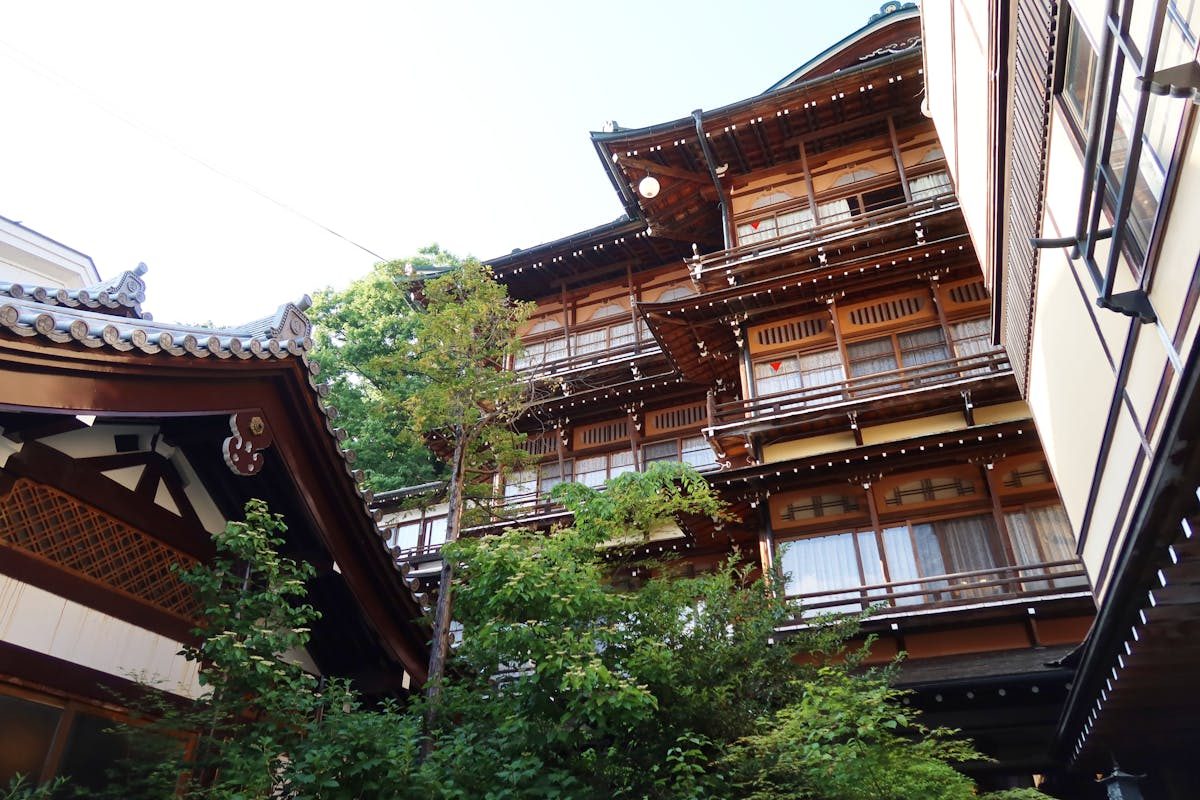
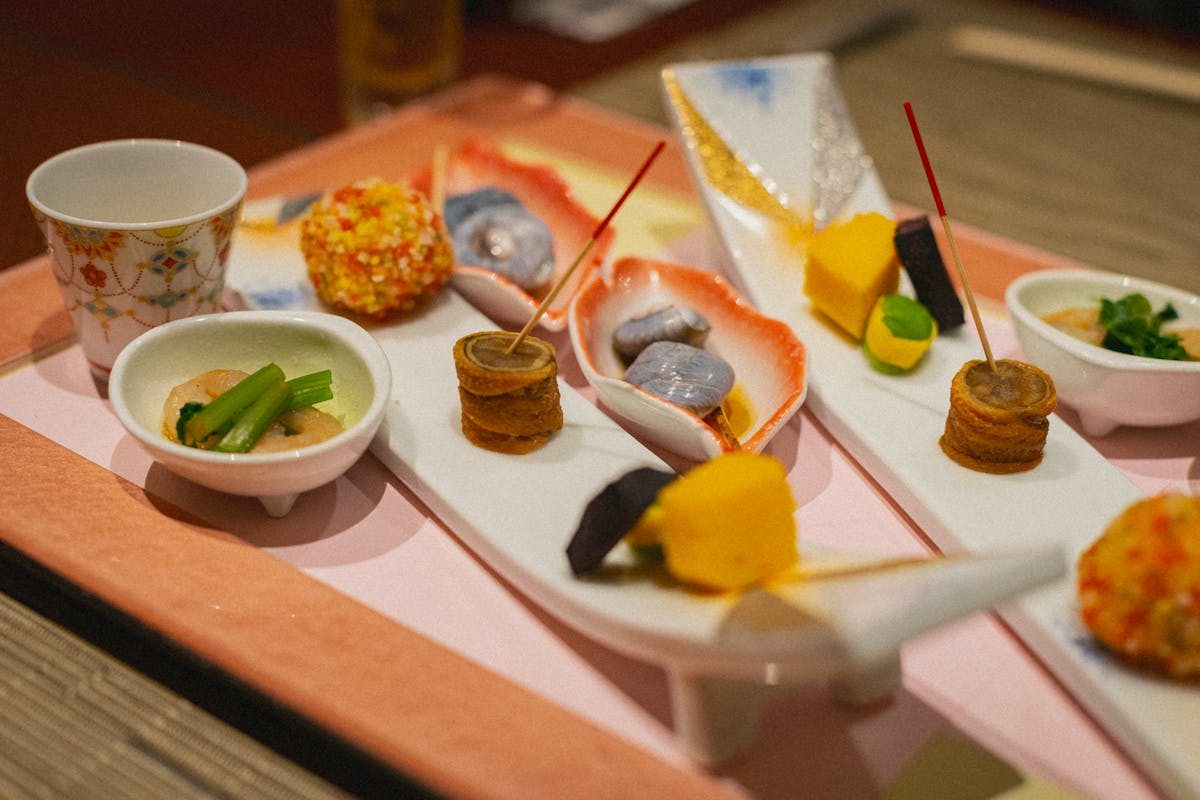
The ryokan in town serve kaiseki meals — elaborate multi-course seasonal dinners that are half the reason people come to onsen towns in the first place. If you can afford to stay overnight, do. Soaking in geothermal water that was boiling underground an hour ago, then eating a ten-course dinner in your yukata, is the kind of experience that makes you wonder why you ever book regular hotels.
Mount Unzen and Fugen-dake
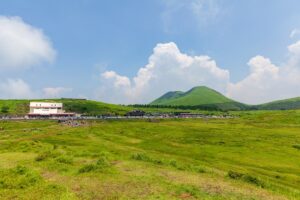
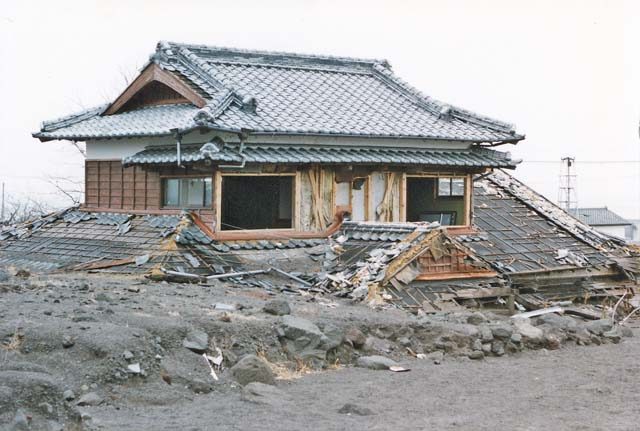
Unzen is not just the jigoku. The town sits near the peak of Mount Unzen, an active volcanic complex that includes Fugen-dake — the summit that erupted catastrophically in the early 1990s. The eruptions produced pyroclastic flows that killed 43 people, including volcanologists and journalists who were observing the eruption from what they thought was a safe distance. The flows also forced the evacuation of thousands of residents from Shimabara, the port town below.
Today Fugen-dake is quiet and has become a popular hiking destination. The summit stands at 1,359 metres. The standard loop trail is about 8 kilometres and takes 4-5 hours, with roughly 600 metres of elevation gain. Start early from Nita Pass, where there is parking and a ropeway. The trail is well-marked but steep in places.
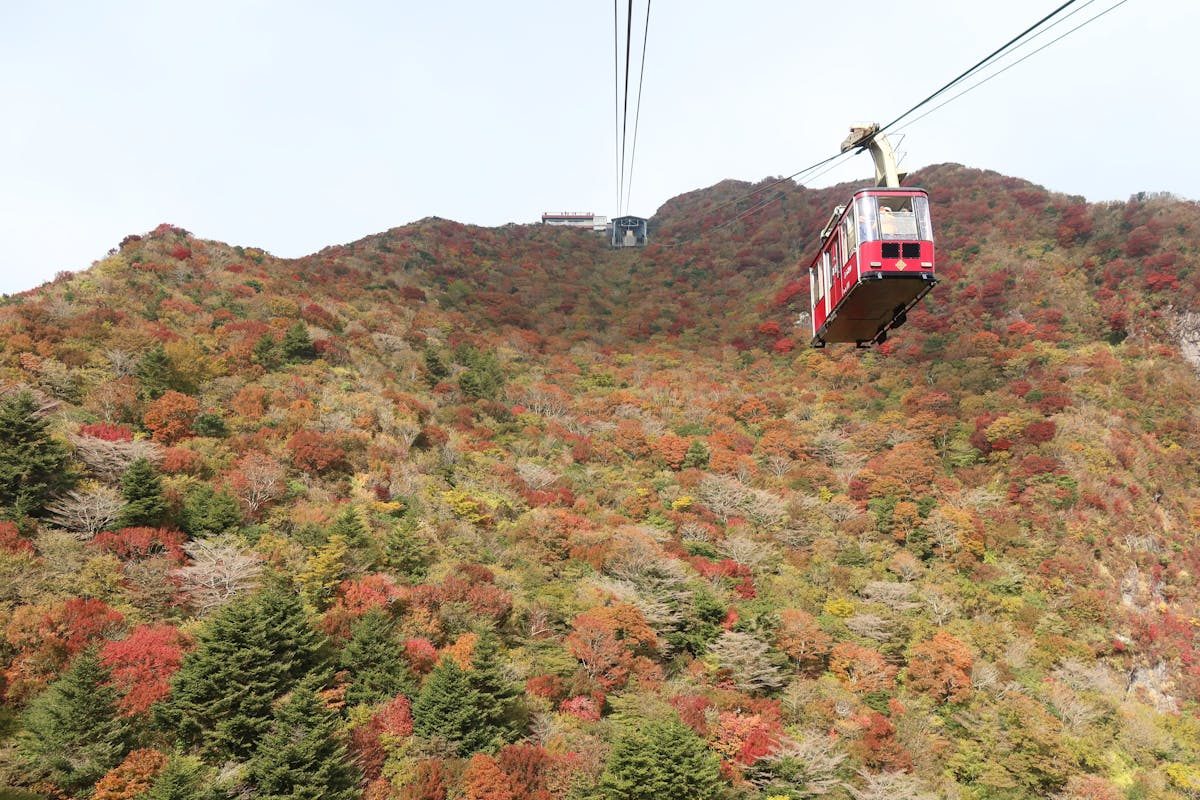
In winter, the higher sections of the trail get coated in rime ice — a layer of frozen fog that covers every branch and bush in white crystals. It turns the landscape into something that looks like it belongs in a fantasy film. The ropeway runs year-round and gives you views over the volcanic landscape without the hike, though the best scenery is earned on foot.
The Unzen Visitor Center at the edge of the town has excellent displays about the 1990s eruption, the local geology, wildlife, and an interesting exhibit on how different types of hot springs form. Worth 30 minutes if you are curious about what is happening under your feet.
Getting to Unzen
Unzen is on the Shimabara Peninsula in Nagasaki Prefecture. It is not the easiest place to reach, which is part of why it feels so untouched.
From Nagasaki: Take the JR line or bus to Isahaya, then a bus from Isahaya to Unzen Onsen (about 90 minutes, ¥1,400). Total journey from Nagasaki is about 2 hours.
From Shimabara: Buses run from Shimabara Port (40 minutes, ¥760) and Shimabara Station (50 minutes, ¥850). If you are coming from Kumamoto by ferry, this is the fastest route.
By car: Renting a car in Shimabara or Nagasaki gives you the most flexibility, especially if you want to combine Unzen with other spots on the peninsula. The drive from Shimabara is about 40 minutes up a winding mountain road with excellent views.
Practical Information
Unzen Jigoku walking paths: Free, open year-round, 24 hours. The paths are paved and lit at night — the “Tales of Hell” night tour runs guided walks through the steam after dark.
Best time to visit: Late October to mid November for autumn colours. December to February for the most dramatic steam (cold air makes it thicker). March to May for comfortable hiking weather. Summer is hot and humid.
How long: The jigoku walk takes 30-40 minutes. Add 2-3 hours for the town and a public bath. Add a full day if hiking Fugen-dake.
Accommodation: Stay in a ryokan if you can. The geothermal baths and kaiseki dinners are half the experience. Budget options exist but the traditional ryokan are what make Unzen special.
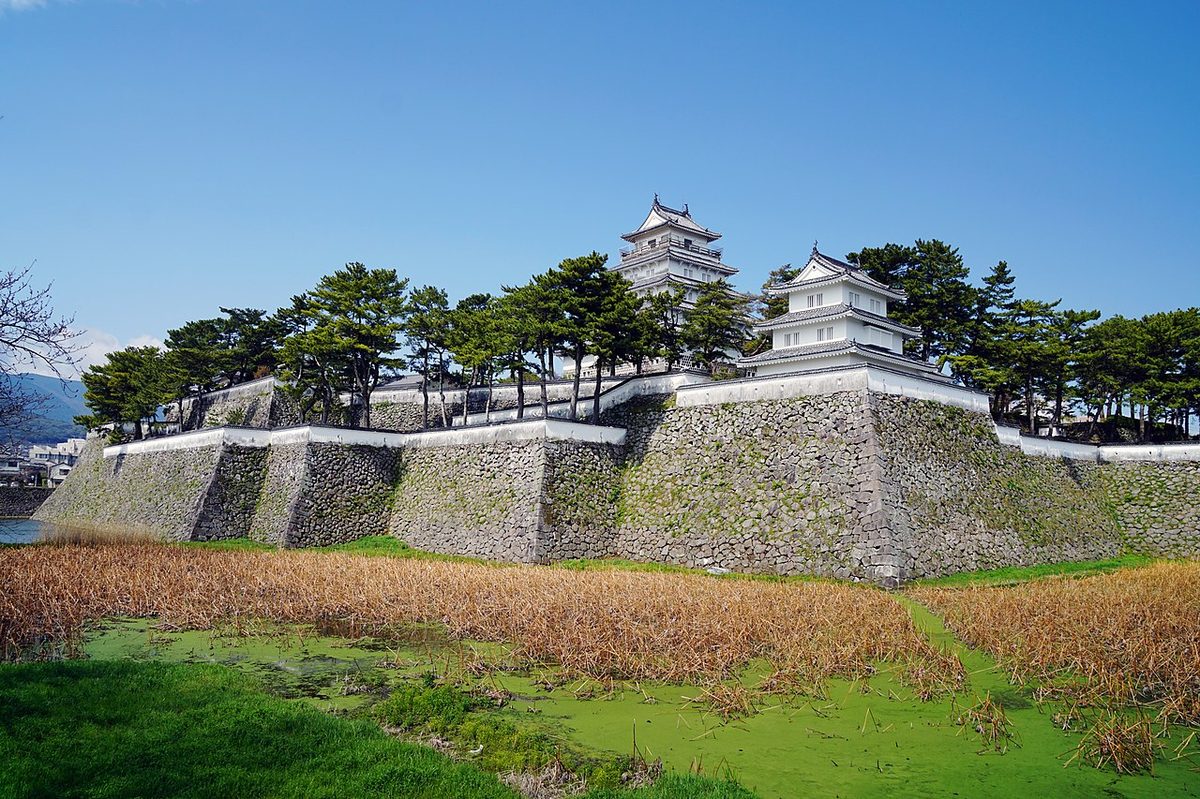
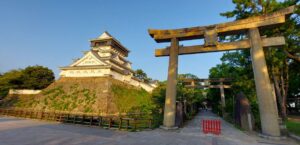
Combine with: Shimabara Castle is 40 minutes down the mountain. The Shimabara Peninsula has buried houses from the 1792 eruption, the Nagasaki area is 2 hours away, and the Kumamoto ferry connects to the other side of Kyushu.
Unzen Jigoku is one of those places that gets better the more you know about it. On the surface it is a geothermal field with some impressive steam. Underneath — literally and historically — it is a place where the earth is tearing itself apart, where people were killed for their beliefs, and where the same water that once boiled martyrs now fills luxury baths. It is not comfortable. But it is unforgettable.