Most people pass through Kokura without stopping. It’s a Shinkansen station on the way to somewhere else — Fukuoka, Hiroshima, wherever. I almost did the same thing. But I had a two-hour gap between trains, and the castle was a 15-minute walk from the station.
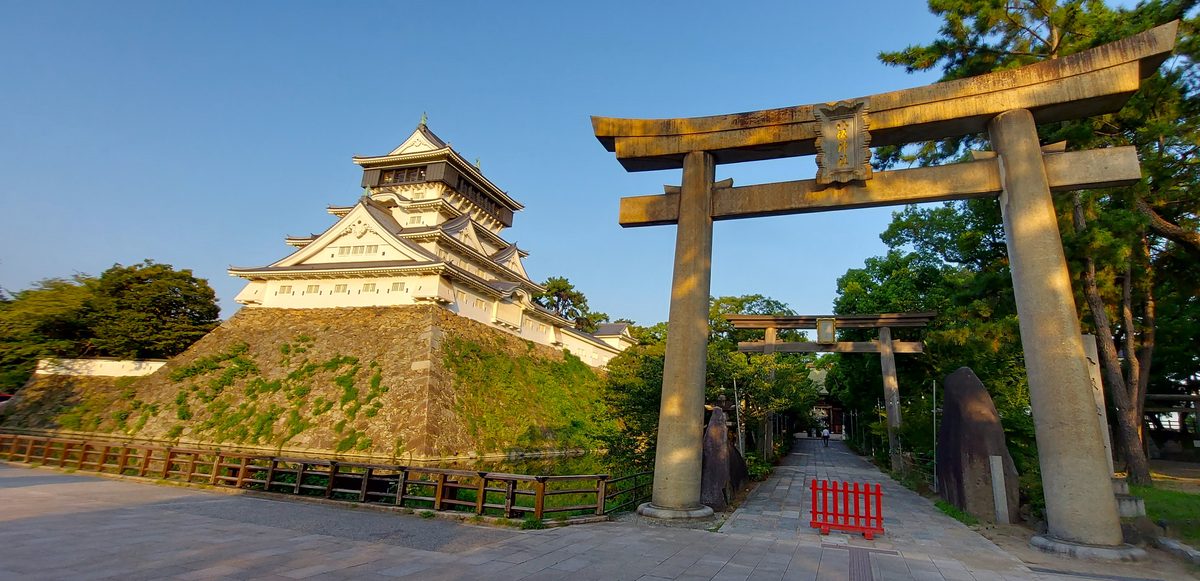
I’m glad I stopped. Kokura Castle isn’t the biggest or most famous castle in Japan. But it has a story worth hearing, a surprisingly good museum inside, and one of the most interesting visual contrasts in Japanese architecture right next door.
A Castle That Almost Wasn’t
Kokura Castle was built in 1602 by Hosokawa Tadaoki, right at the start of the Edo Period when Japan was finally settling into peace after centuries of civil war. It took about seven years to finish. The design was unusual — the castle tower looks like it has four floors from the outside, but there are actually five inside. The extra floor is hidden behind the stone walls, which made it harder for attackers to judge the layout.
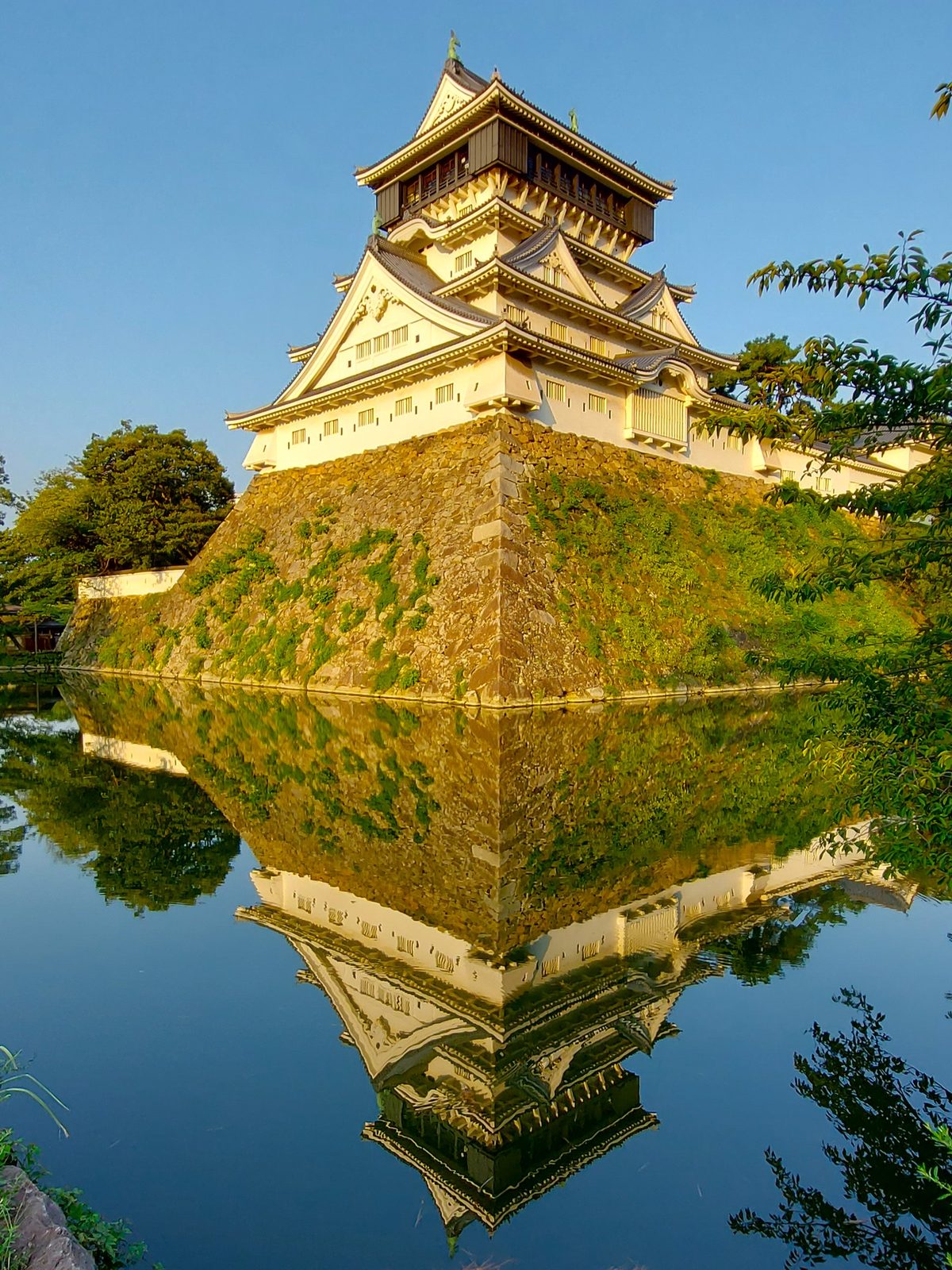
For over 250 years it served as the seat of the Ogasawara clan, one of the most powerful families in Kyushu. Then in 1866, during the chaos at the end of the Edo Period, the castle was deliberately set on fire by its own defenders rather than let it fall to the advancing Choshu forces. That’s a very Japanese ending — burn your own castle rather than let the enemy claim it.
What you see today is a 1959 concrete reconstruction. I know, I know — “it’s not the real thing.” But honestly? The reconstruction is well done, and the museum inside is better than what most original castles offer.
Inside the Castle Tower
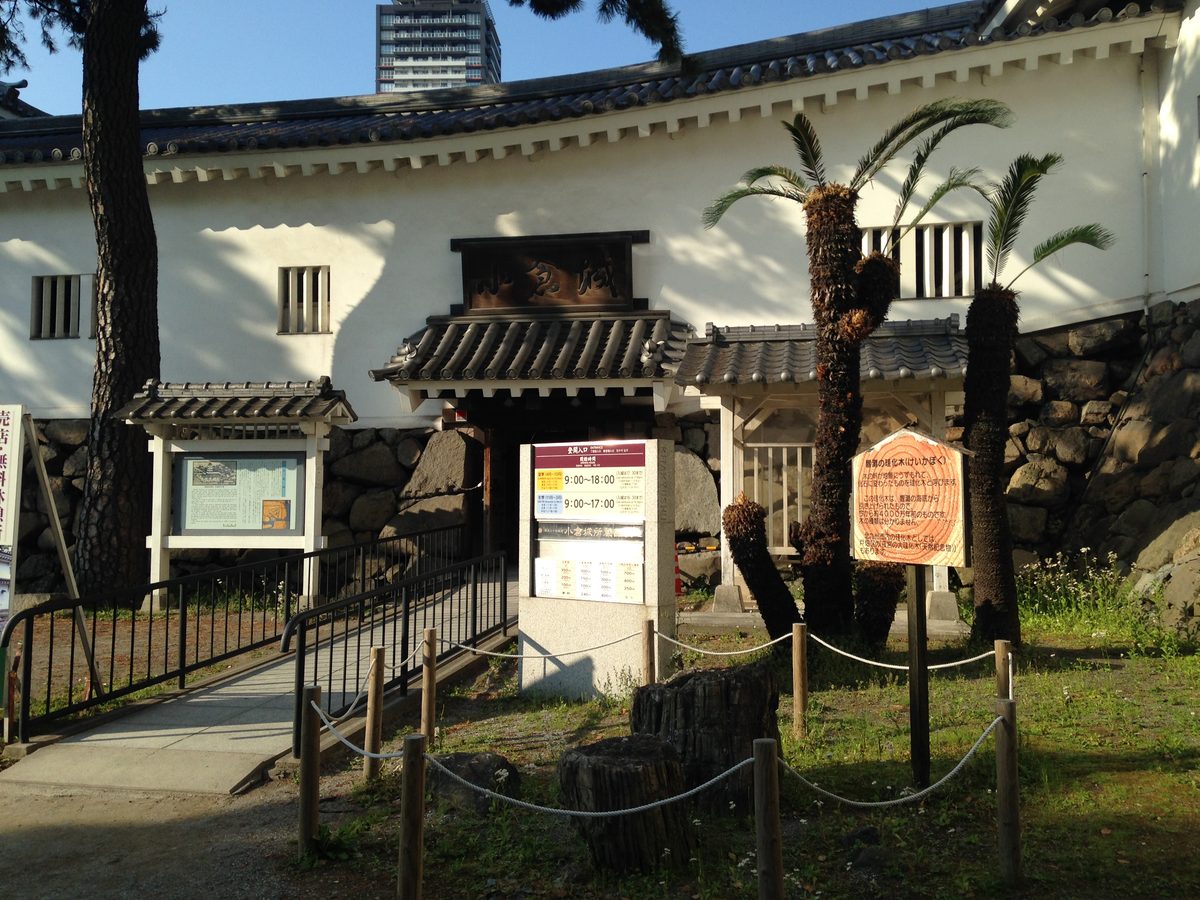
The interior has been modernised with interactive exhibits and displays about local history. There’s a large-screen theater on the first floor that shows short films about life in Edo-period Kokura. It’s in Japanese, but the visuals carry it even if you don’t understand the narration.
The upper floors cover the castle’s history, the Ogasawara clan, and the development of Kitakyushu as a city. What I liked is that they don’t just focus on samurai and battles — there’s genuinely interesting material about the merchant culture and trade that made Kokura important.
The top floor is the real payoff. Panoramic views over Kitakyushu in every direction. On a clear day you can see across the Kanmon Strait to Honshu. You’re looking at the exact stretch of water that Miyamoto Musashi crossed before his famous duel on Ganryu Island in 1612 — one of the most legendary sword fights in Japanese history.
The Japanese Garden
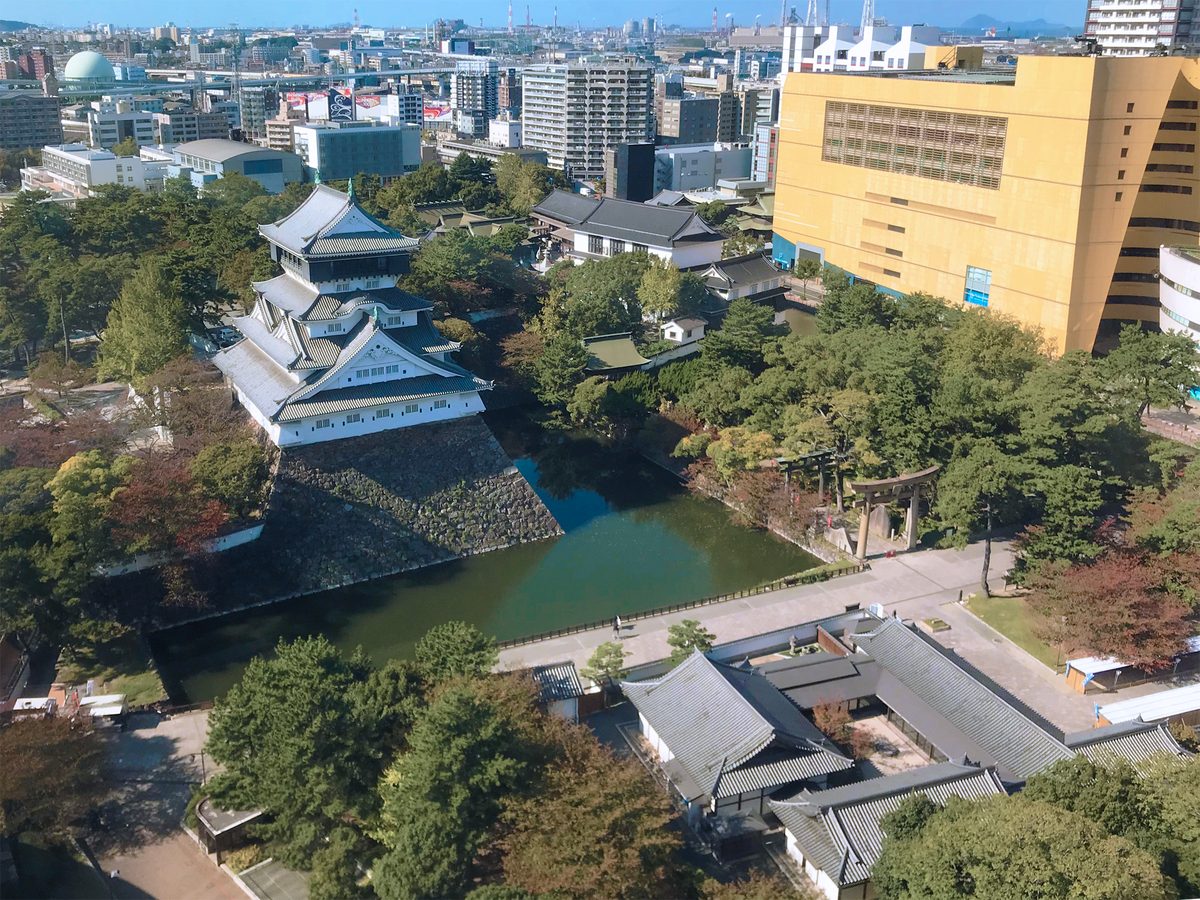
Don’t skip the garden. It was only built in 1998, but it’s a proper traditional Japanese garden with a pond, carefully shaped pine trees, and a Shoin-style building with tatami rooms. The garden uses Kokura Castle’s tower as “borrowed scenery” — a classic Japanese garden design technique where a distant landmark becomes part of the garden composition.
There’s a neat detail in the tatami rooms: the fabric borders along the edges of the mats vary by room. Wider, more elaborate borders indicate higher-status occupants. The room where the ruling lord would have sat has the largest and most ornate border design. It’s the kind of thing you’d walk right past unless someone points it out.
The garden entrance is separate from the castle (350 yen on its own, or 560 yen combo with the castle). I’d get the combo.
The Moat and Castle Grounds
The castle grounds are now Katsuyama Park, and they’re worth walking around even if you don’t go inside the castle. About 300 cherry trees line the paths and moat edges, making this one of Kitakyushu’s best cherry blossom spots in early April.
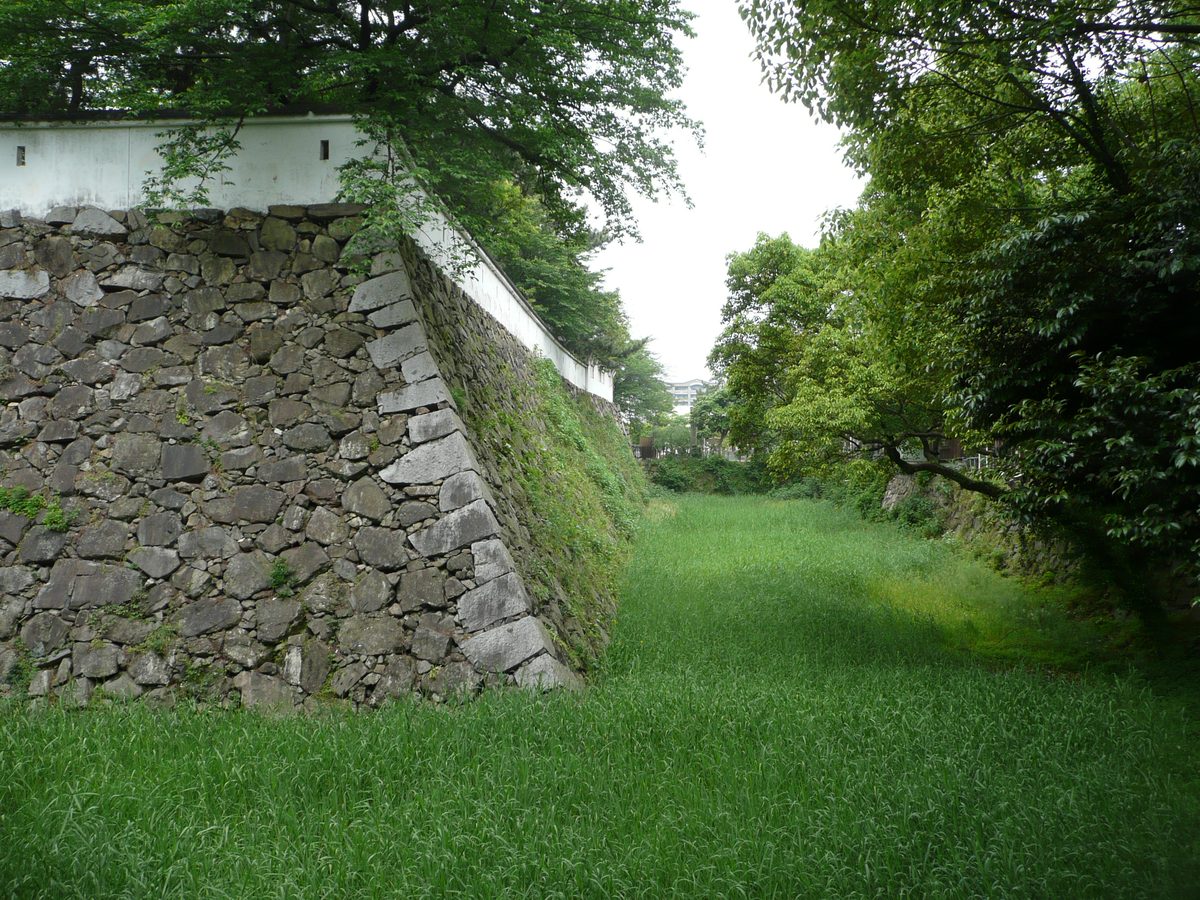
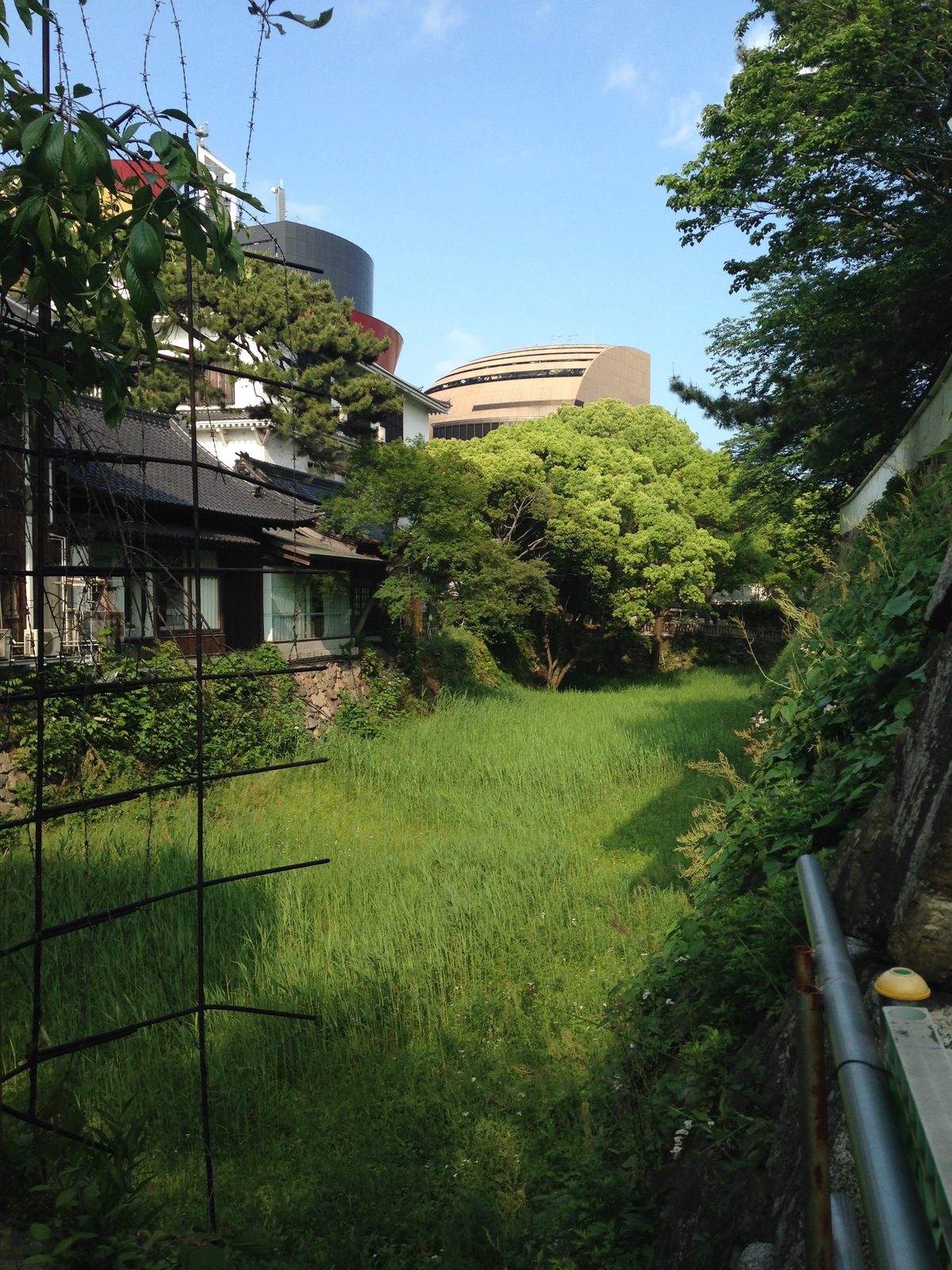
The moat wraps around the castle on multiple sides — both water moats and dry moats (karabori). Walking the outer perimeter gives you a sense of the castle’s original scale and defensive layout. The stone walls are impressive up close, especially the curved base sections that were designed to deflect cannon fire.
Kokura Castle and Riverwalk — Old Meets New
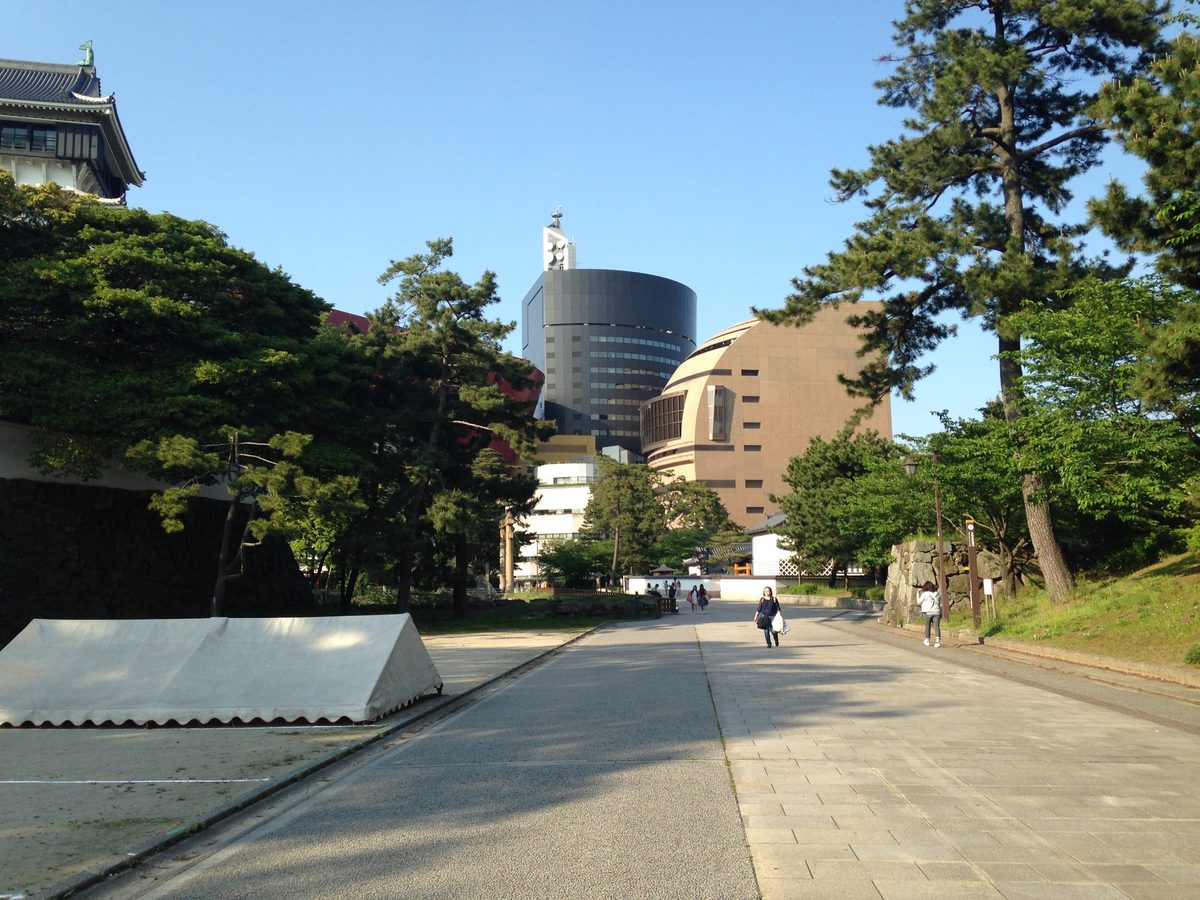
This is what makes Kokura Castle visually unique. Riverwalk Kitakyushu, a modern shopping and entertainment complex, sits right on the edge of the castle grounds. The contrast is striking — Edo-period stone walls and a feudal tower on one side, floor-to-ceiling glass and contemporary architecture on the other.
Some people hate it. I think it works. The castle was always in the middle of a working city, not isolated on a mountaintop. Having modern life literally next door feels honest.
Riverwalk has restaurants, shops, a cinema, and the Kitakyushu Municipal Museum of Art. If you need lunch before or after the castle, there are plenty of options inside.
Miyamoto Musashi and the Kokura Connection
If you know anything about Japanese sword culture, you know Miyamoto Musashi. He’s arguably the most famous swordsman in Japanese history, and Kokura was one of his key stomping grounds.
Musashi lived in Kokura for several years and famously departed from here for his legendary duel against Sasaki Kojiro on Ganryu Island in 1612. The island is visible from the Kanmon Strait — you can see it from the castle’s top floor on a clear day.
There’s a small exhibition about Musashi inside the castle, and you’ll find references to him scattered around Kitakyushu. The Matsumoto Seicho Memorial Museum nearby (included in the 700-yen combo ticket) is also worth a visit if you’re interested in Japanese crime fiction — Seicho was one of Japan’s most important mystery writers and grew up in Kokura.
Cherry Blossom Season
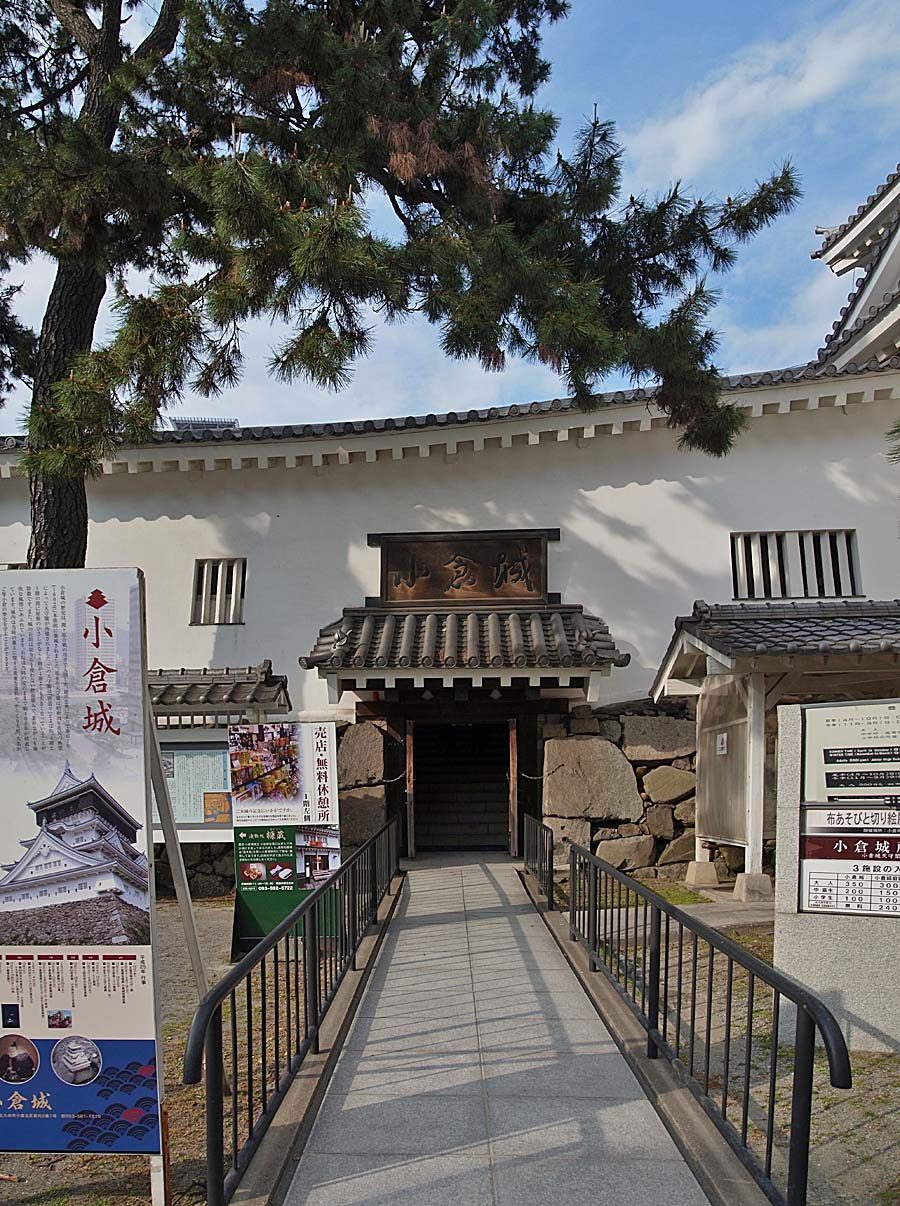
If you can time your visit for early April, do it. The 300 cherry trees around the castle and moat turn the whole park into one of Kitakyushu’s best hanami spots. The trees reflect in the water moat, the castle tower rises above the blossoms, and half of Kokura seems to be here with picnic blankets and convenience store bento boxes.
Autumn is good too — the zelkova elms and ginkgo trees around the grounds turn gold and red in late November. Less crowded than spring, and the light is beautiful in the late afternoon.
How to Get to Kokura Castle
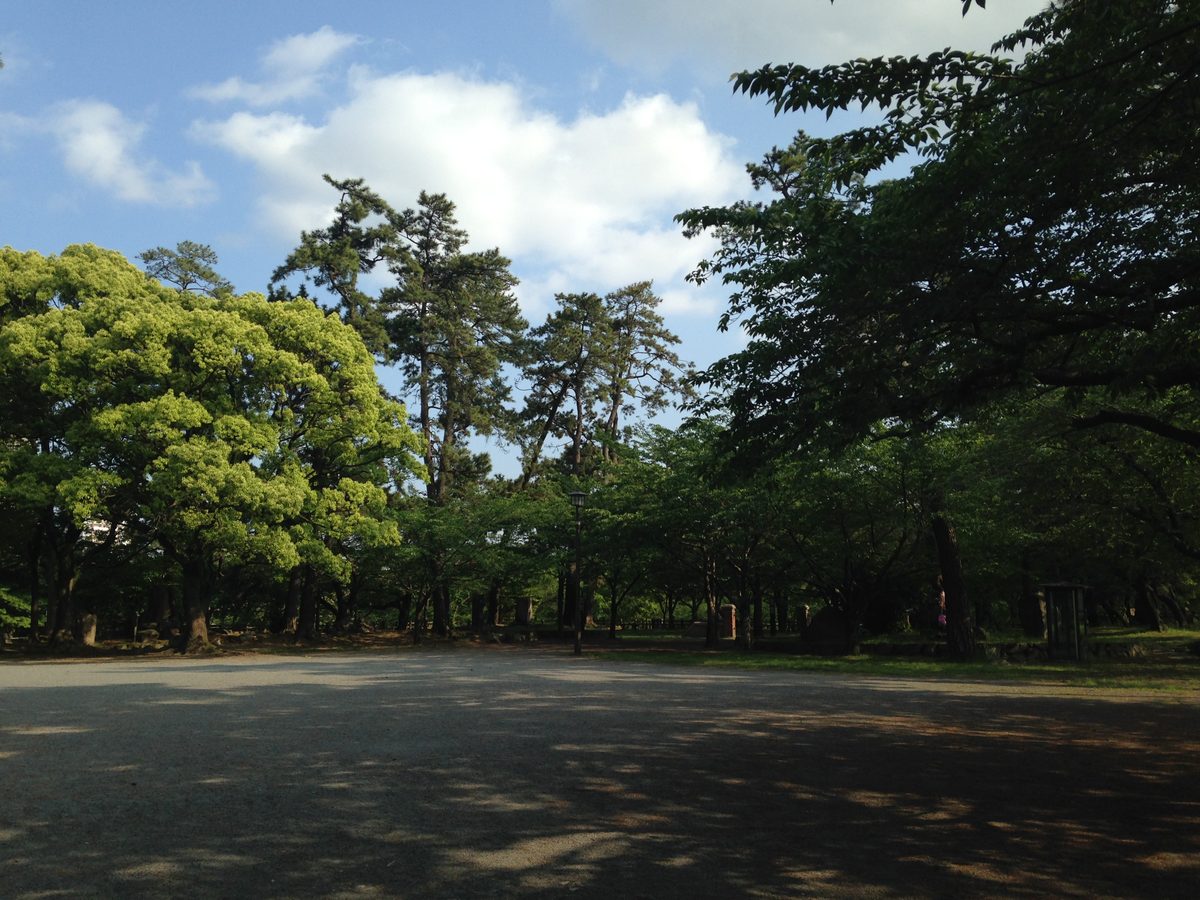
Walk. That’s it. Kokura Castle is about 15 minutes on foot from JR Kokura Station, which is a Shinkansen stop. Head south from the station through the covered Uomachi shopping arcade, cross the Murasaki River, and you’re there.
If you’re arriving by Shinkansen from Fukuoka (Hakata), it’s about 15 minutes on the Kodama or Hikari. From Hiroshima, about 45 minutes.
Visiting Details
Hours: 9:00 AM to 8:00 PM (until 7:00 PM November to March). Open every day.
Admission:
- Castle only: 350 yen
- Garden only: 350 yen
- Castle + garden combo: 560 yen (recommended)
- Castle + garden + Matsumoto Seicho Museum: 700 yen
Time needed: 30-60 minutes for the castle, add 15-30 for the garden. Budget 2 hours if you’re doing the combo with the museum and walking the grounds.
Best time to visit: Early April for cherry blossoms. Late November for autumn colours. Any clear day works for the top-floor views.
Worth the Stopover
Kokura Castle won’t blow your mind the way Himeji or Matsumoto might. It’s a reconstruction, the exhibits are modest, and Kitakyushu isn’t on most tourist itineraries. But that’s partly what I liked about it. No crowds, no ticket queues, no tourist buses.
If you’re passing through Kokura Station — and if you’re travelling by Shinkansen in Kyushu, you probably will — give yourself an extra couple of hours. Walk to the castle, climb to the top, look out over the strait toward Honshu. Then grab lunch at Riverwalk and catch your train.
It’s one of those places that’s better than it has any right to be.
Tips
- Get the 560-yen combo ticket (castle + garden). The garden is small but worth it.
- Best photo spot: from Yasaka Shrine across the moat, looking up at the tower.
- Luggage: Coin lockers at Kokura Station. Don’t drag a suitcase to the castle.
- The Uomachi covered arcade between the station and castle has good local restaurants if you want lunch before or after.
- Kokura Station also has excellent ekiben (station bento) if you’re catching a train after your visit.