Most people skip Kitakyushu. They fly into Fukuoka, take the Shinkansen through Kokura Station without stopping, and continue to Hiroshima or Osaka. I did the same thing on my first trip. Then I came back, got off at Kokura, and spent two days wishing I had stopped the first time.
In This Article
Kitakyushu is not one city in any traditional sense. It is five towns that were merged in 1963 — Kokura, Moji, Wakamatsu, Yahata, and Tobata — and each one has a completely different personality. Kokura has the castle and the shopping arcades. Moji has the retro port district that looks like it belongs in 1920s Europe. Yahata has the industrial heritage that powered Japan’s modernisation. Together they make up a city of nearly a million people that almost nobody visits, which is exactly what makes it worth the stop.
Kokura — The Castle Town
Kokura is where most visitors start, because Kokura Station is on the Shinkansen line. Step out of the station and you will see a suspended monorail running overhead — one of only a few in Japan — which is entertaining but not particularly useful for sightseeing. Everything in central Kokura is walkable.
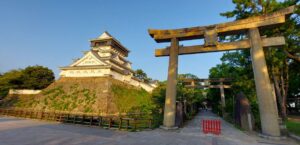
Kokura Castle is a 15-minute walk from the station. The castle was originally built in 1602 by Hosokawa Tadaoki and rebuilt in 1959 after being destroyed in the 1860s. The reconstruction is concrete rather than wood, but the museum inside is genuinely good — well-presented exhibits on the castle’s history, the region’s strategic importance (Kokura was where mainland Japan met Kyushu), and some interactive displays for families. The combo ticket with the adjacent Japanese Garden costs ¥560 and is worth it. The garden is small but beautifully composed, and there is an optional tea ceremony.
Just outside the castle grounds, Yasaka Shrine hosts the Kokura Gion Daiko drum festival every July — one of the most intense festivals in Kyushu. Even outside of festival season, the shrine is a pleasant stop with its stone torii gate and guardian statues.
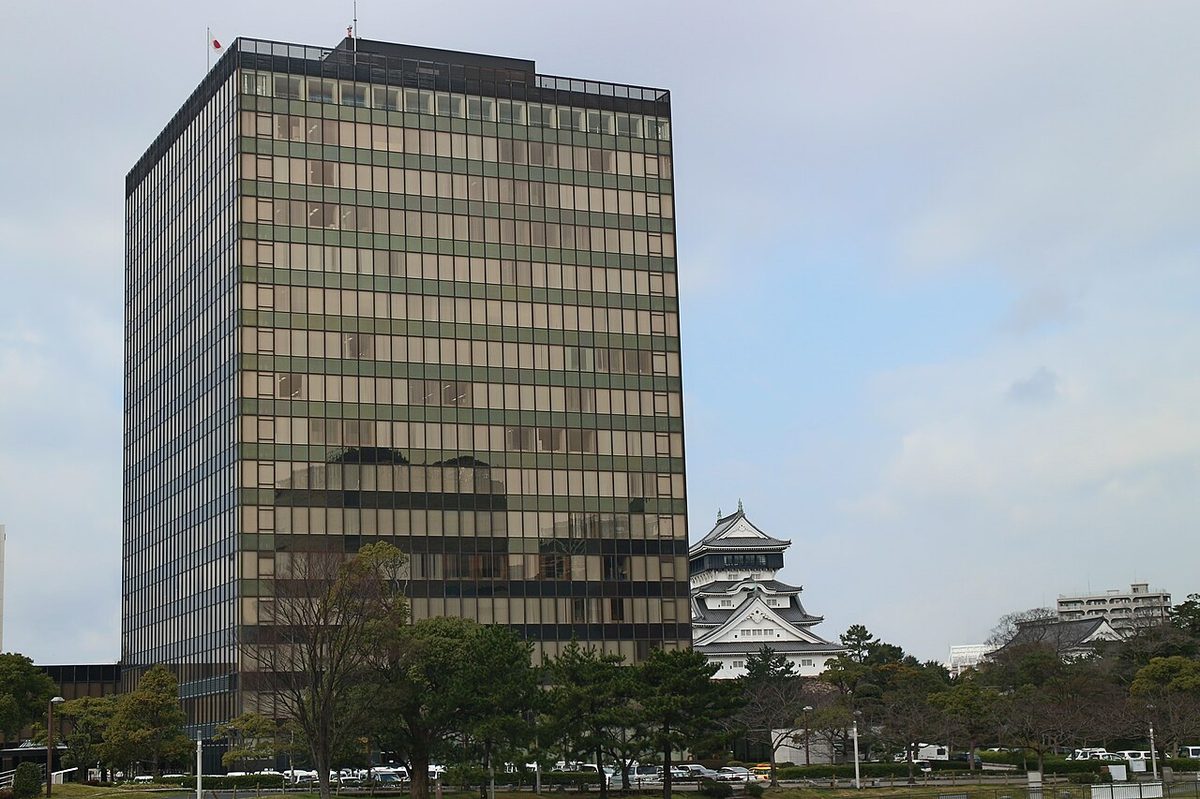
A tip that most guides miss: Kitakyushu City Hall is a 5-minute walk from the castle. On the 16th floor there is a free observation deck with panoramic views of the city, the castle below, and the Kanmon Straits separating Kyushu from Honshu. It is only open on weekdays and almost nobody visits. Take the elevator to the 15th floor, then follow the red line upstairs.
Tanga Market
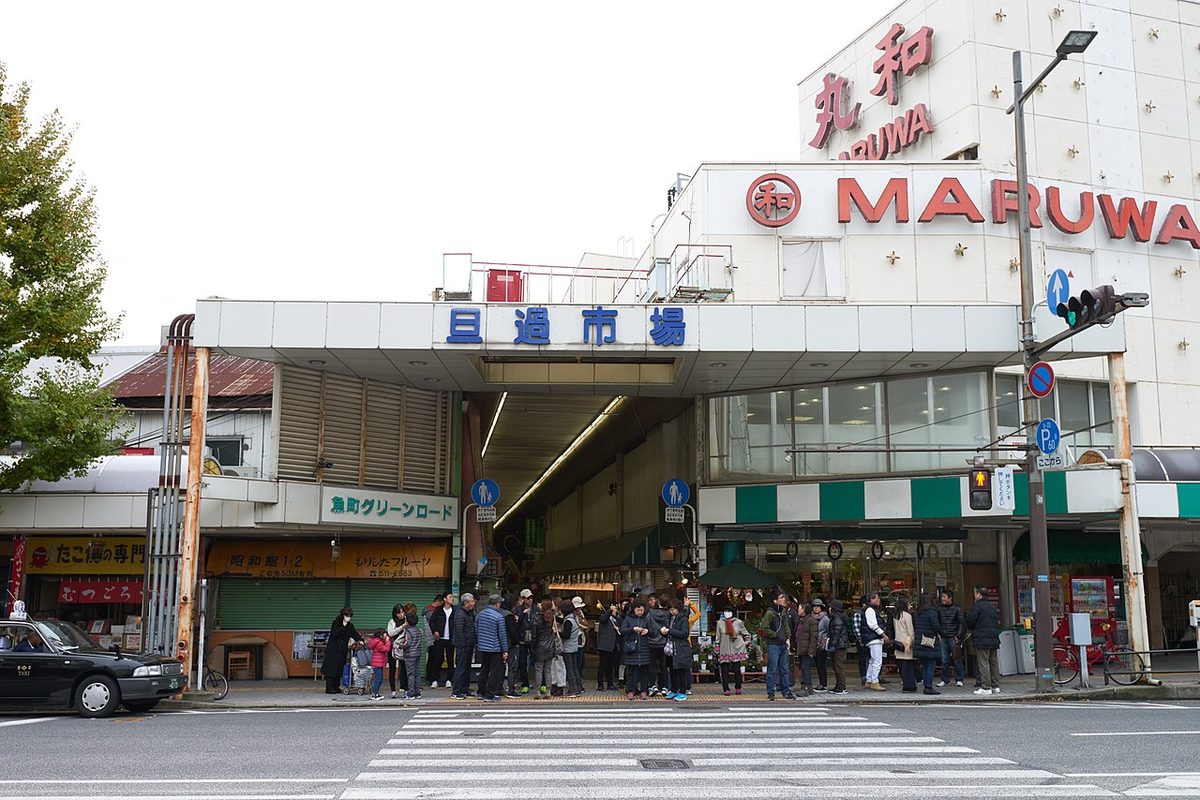
Between the station and the castle, Tanga Market is Kokura’s covered food market. It has been running since the 1950s and it is still the place where locals shop and eat. The stalls sell fresh fish, meat, pickles, and prepared food — tempura, sashimi bowls, grilled fish, takoyaki. The prices are noticeably cheaper than Fukuoka. Breakfast at Tanga Market is something of a tradition in Kokura — several stalls open early and serve rice sets with grilled fish and miso soup for under ¥500.
The covered shopping arcades near the market — Uomachi Gintengai and the surrounding streets — are good for a wander. They are not tourist-oriented, which is refreshing. Just normal shops, cafes, and small restaurants serving the people who actually live here.
Mojiko Retro — The Historical Port
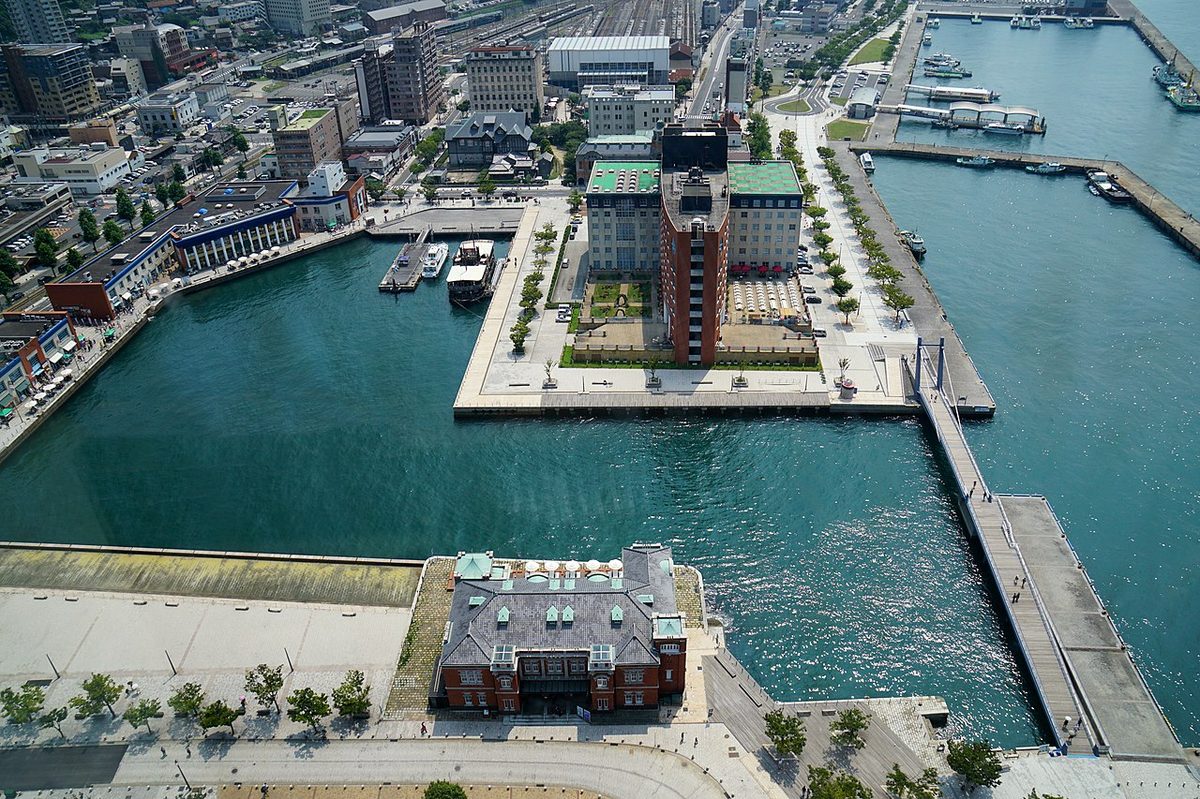
Mojiko is the reason to stay overnight in Kitakyushu instead of doing a day trip. This small port district at the northeastern tip of Kyushu was once one of Japan’s busiest international harbours — the point where ships from mainland Asia, Korea, and the rest of the world entered and left the country. In the early 1900s, it was full of trading companies, banks, customs houses, and hotels, and the architecture reflects that: brick and stone Western-style buildings that look like they belong in a European port town.
When the port declined in the mid-20th century, Mojiko was largely forgotten. The buildings survived because nobody bothered to demolish them. In the 1990s, the area was rebranded as “Mojiko Retro” and the old buildings were restored into cafes, galleries, and museums. It works. The waterfront is genuinely atmospheric, especially at sunset when the light hits the brick facades and the Kanmon Bridge is visible across the strait.
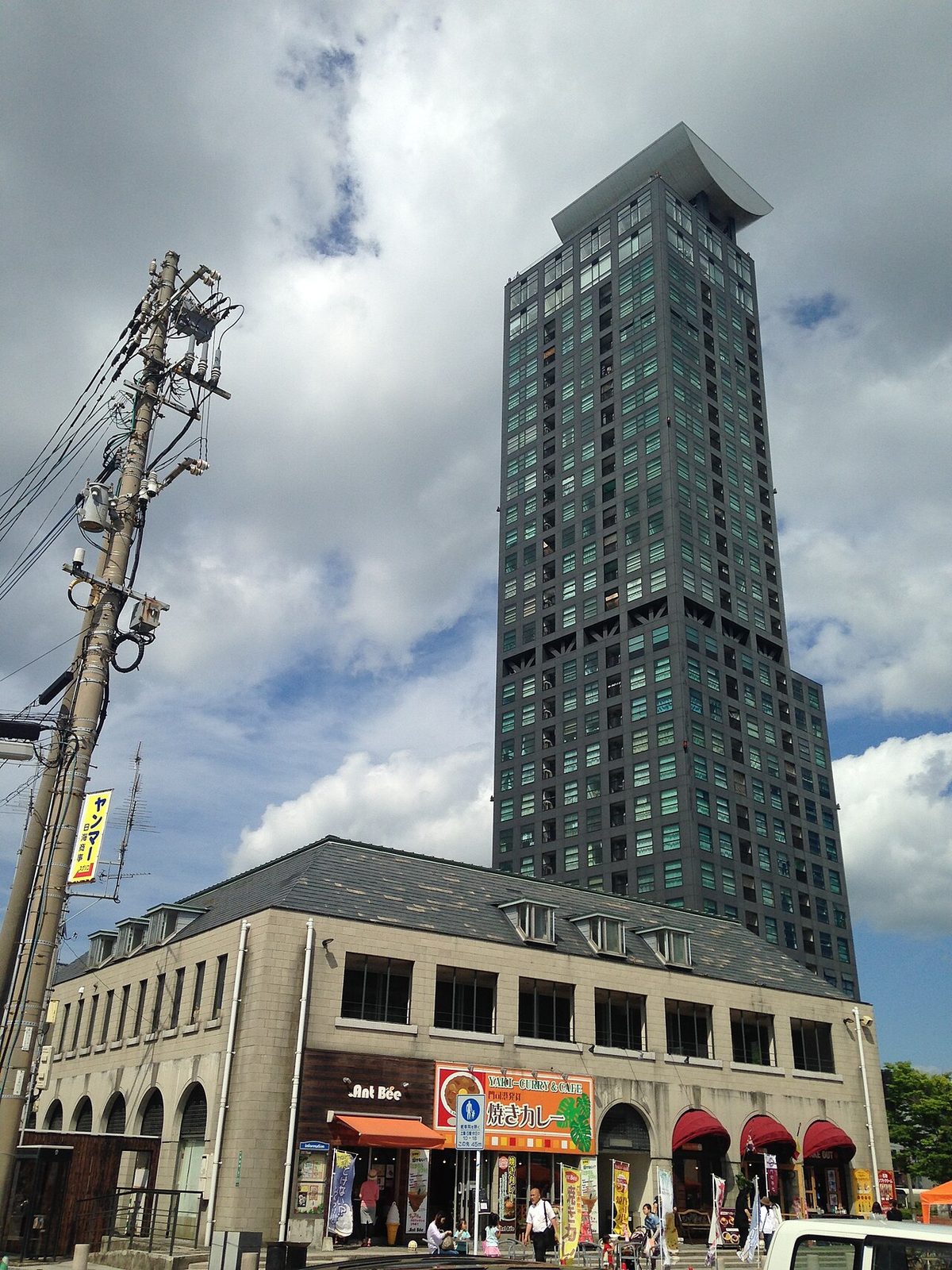
The signature dish in Mojiko is yaki curry — baked curry in an iron dish with a melted cheese top. It was supposedly invented here in the 1950s and every restaurant in the area has its own version. Try it at Bear Fruits or Koganemochi, both on the waterfront. About ¥900-1,200 for a generous serving.
The Mojiko Retro observation tower gives you a view over the strait and across to Shimonoseki on the Honshu side. On clear days you can see ships passing through the Kanmon Straits — one of the busiest shipping lanes in Japan.
Across the Strait — Walking to Honshu
One of Kitakyushu’s best-kept secrets is that you can walk to Honshu. The Kanmon Pedestrian Tunnel runs under the strait between Mojiko and Shimonoseki. It is about 780 metres long, it is free, and there is a line painted on the floor marking the border between Fukuoka and Yamaguchi prefectures. Crossing from Kyushu to Honshu on foot takes about 15 minutes and is one of those experiences that is more satisfying than it has any right to be.
On the Shimonoseki side, the Karato Fish Market is worth the walk. The sushi and fugu (pufferfish) counters are excellent and much cheaper than Tokyo. Take the tunnel across, eat sushi, walk back. That is a good morning in Kitakyushu.
Beyond Kokura and Mojiko
If you have more than a day, Kitakyushu has several other districts worth exploring. Yahata — the industrial area — is home to the former Yawata Steel Works, a UNESCO World Heritage Site as part of Japan’s Meiji Industrial Revolution sites. The Space World area (the theme park is closed but the observation facilities remain) and the Higashida district have been redeveloped with museums and green spaces.
Wakamatsu, on the other side of the harbour from Tobata, has a quieter waterfront and some of Kitakyushu’s best seafood restaurants. The Wakamatsu Bridge connecting the two sides of the city is a significant engineering landmark from 1962.
Getting to Kitakyushu
By Shinkansen: Kokura Station is on the Sanyo Shinkansen line. From Hakata (Fukuoka), 15 minutes (¥2,160 unreserved). From Hiroshima, about 60 minutes. From Shin-Osaka, about 2 hours 15 minutes. This is the fastest option by far.
By Limited Express: JR Sonic from Hakata to Kokura, about 40 minutes, ¥2,640. Good value if the Shinkansen feels expensive for such a short hop.
By local train: JR Kagoshima Main Line from Hakata to Kokura, about 80 minutes, ¥1,310. The cheapest option.
Kokura to Mojiko: JR local train from Kokura to Mojiko Station, about 15 minutes, ¥280. The train runs along the coast and the views are good.
From the airport: Kitakyushu Airport is connected to Kokura Station by bus (35 minutes, ¥710). If you are flying into Kyushu, Kitakyushu Airport is sometimes cheaper than Fukuoka.
Practical Information
How long: Kokura alone is a half-day. Add Mojiko Retro and you need a full day. Two days lets you explore at a comfortable pace and cross the tunnel to Shimonoseki.
Accommodation: Hotels in Kokura are significantly cheaper than Fukuoka — a business hotel near the station runs about ¥5,000-7,000 per night. Staying overnight means you can do Mojiko at sunset, which is the best time to see it.
Food highlights: Tanga Market for breakfast. Yaki curry in Mojiko. The covered arcades in Kokura for yakitori and izakaya. Hakata ramen is 15 minutes away by Shinkansen if you need a fix.
Combine with: Kokura Castle is in the centre of town. Kokura Gion Daiko festival if visiting in July. Karatsu is accessible via the JR line along the coast. Beppu is about 80 minutes south by JR Sonic.
Kitakyushu is the city that the Shinkansen built to skip. Fifteen minutes from Hakata, most passengers look out the window, see the industrial skyline, and think “nothing here.” They are wrong. Kokura has a castle, a market, and covered arcades that feel like real Japan rather than tourist Japan. Mojiko has architecture that could be in Antwerp. And you can walk to a different island for sushi. For a place that almost nobody visits, Kitakyushu has an unreasonable amount to offer.