The dragon was 20 metres long and it was coming straight at me. About forty men in white happi coats were underneath it, lifting and spinning it through the crowd with a kind of controlled chaos that made it look alive. The audience was screaming. I was backed against a stone wall at Suwa Shrine, trying to take photos while not getting trampled.
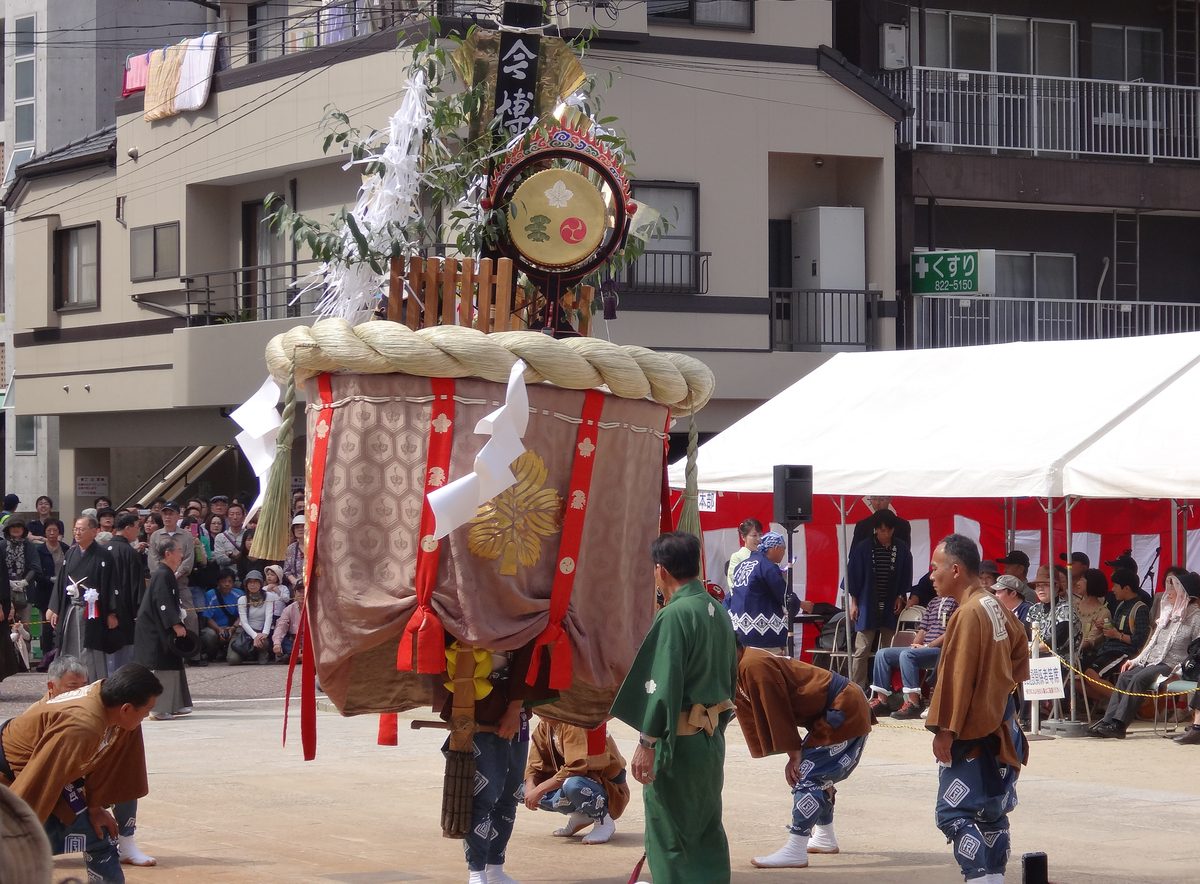
That is Nagasaki Kunchi. It is loud, it is physical, and it is unlike any other festival I have been to in Japan. Where most Japanese matsuri feel orderly and reverent, Kunchi feels more like a street party that has been running for 400 years and shows no signs of slowing down.
What is Nagasaki Kunchi?
Kunchi is the annual autumn festival of Suwa Shrine, held every year on October 7, 8, and 9. The name probably comes from “ku-nichi” — the ninth day of the ninth month on the old lunar calendar.
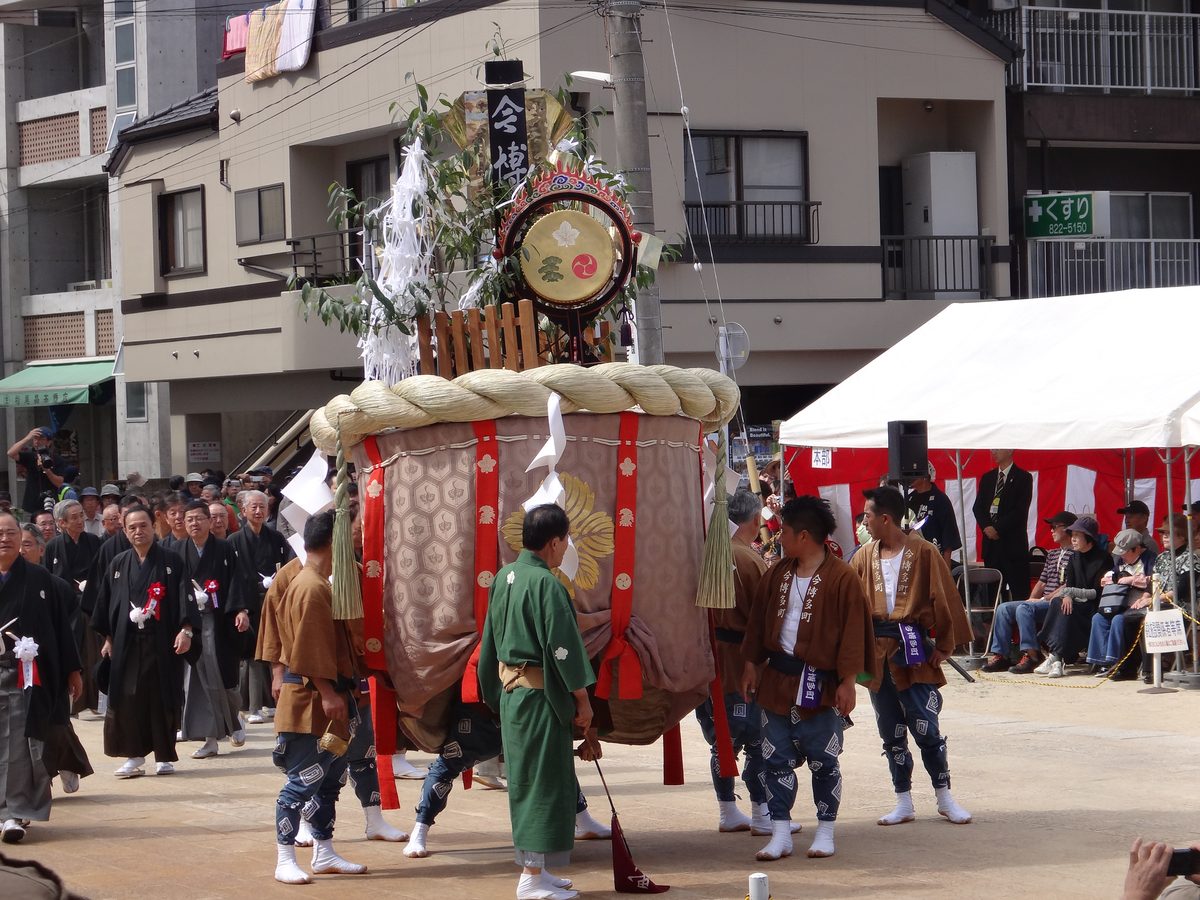
What makes Kunchi unusual is that Nagasaki’s city districts (odori-cho) take turns performing, with each district participating only once every seven years. That means every year brings different performances, different floats, and different dances. Repeat visitors see something new every time. And the districts take their rotations seriously — they spend years preparing.
The Chinese and Dutch Influence
Nagasaki was Japan’s only open port during 200 years of national isolation. Chinese merchants lived in Chinatown, Dutch traders were confined to the island of Dejima, and the cultural exchange that happened here left permanent marks on the city.
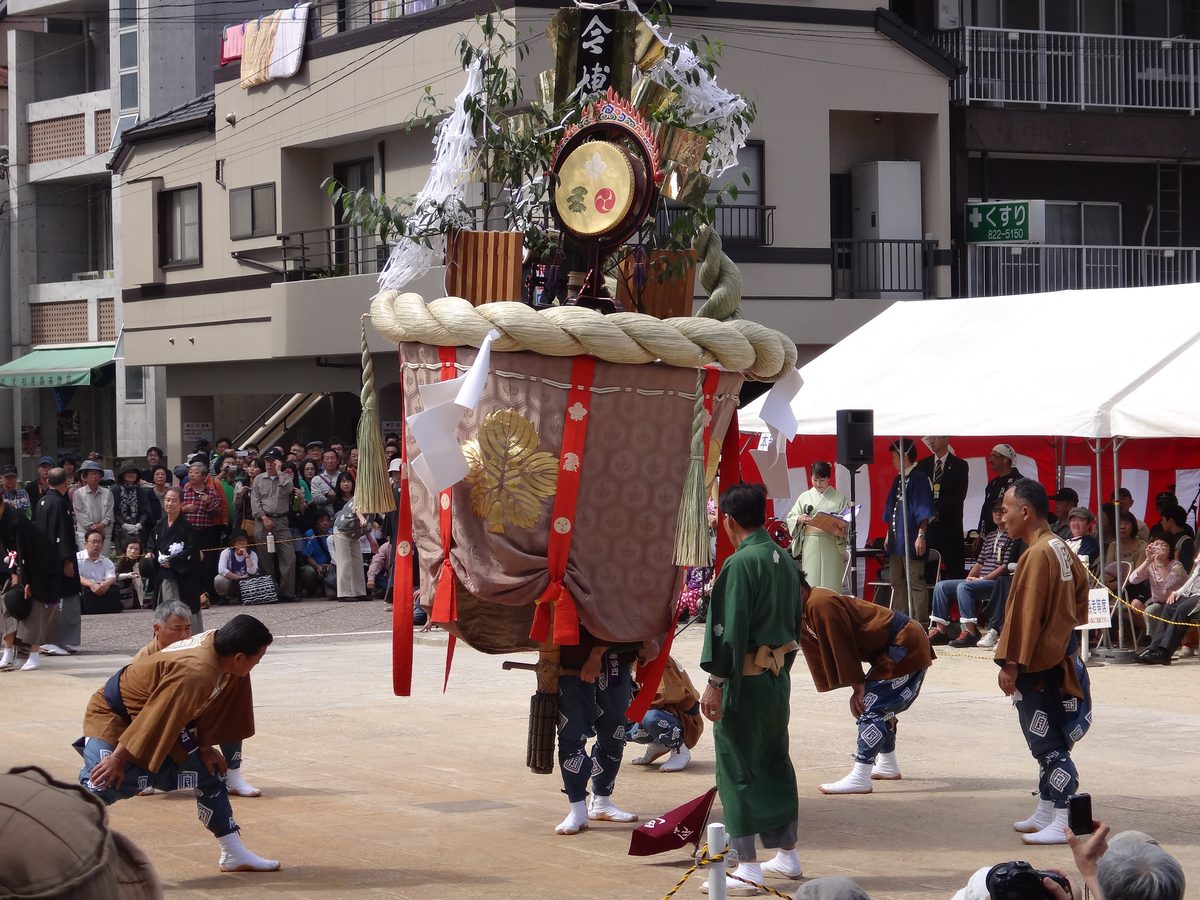
Kunchi reflects that history. The dragon dances are Chinese in origin. The ship-shaped floats reference the Dutch and Portuguese trading vessels. And the traditional Japanese dances and music weave it all together into something that could only exist in Nagasaki. No other city in Japan has this kind of cultural layering in its festivals.
The Performances
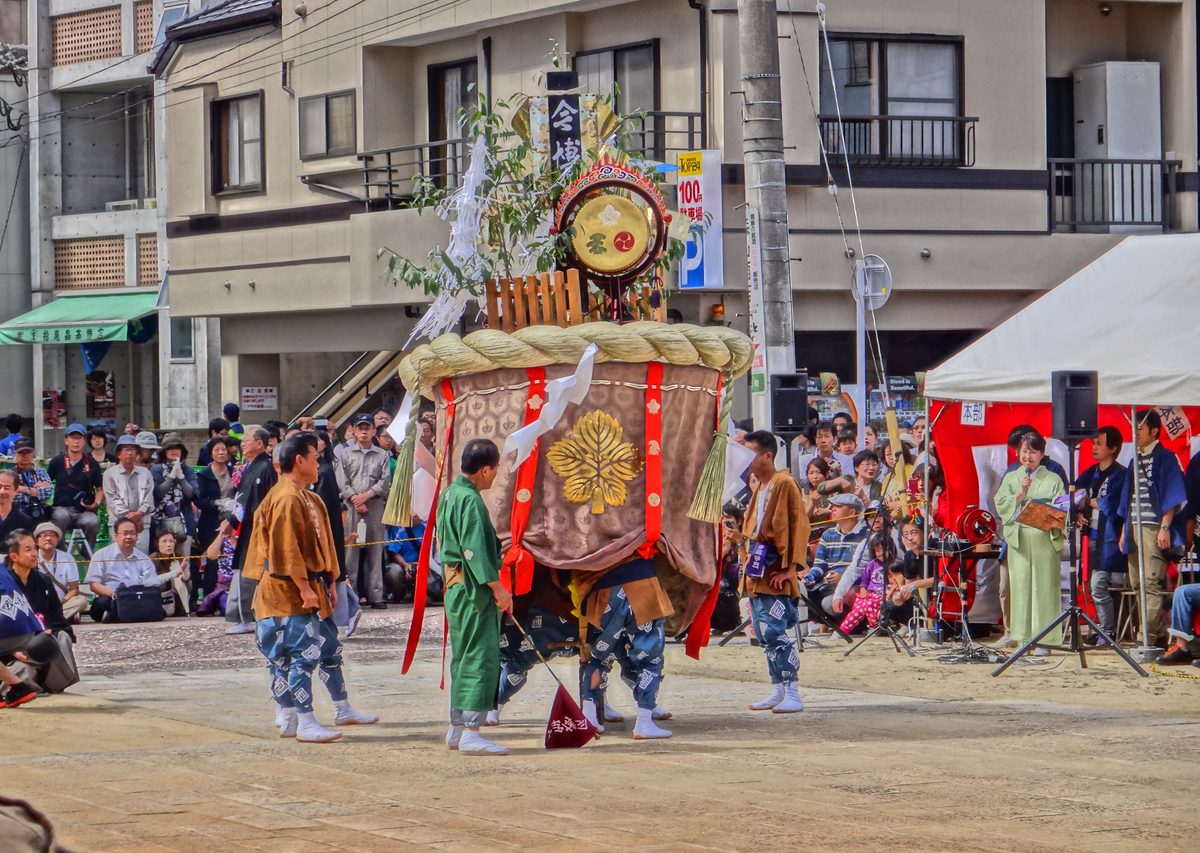
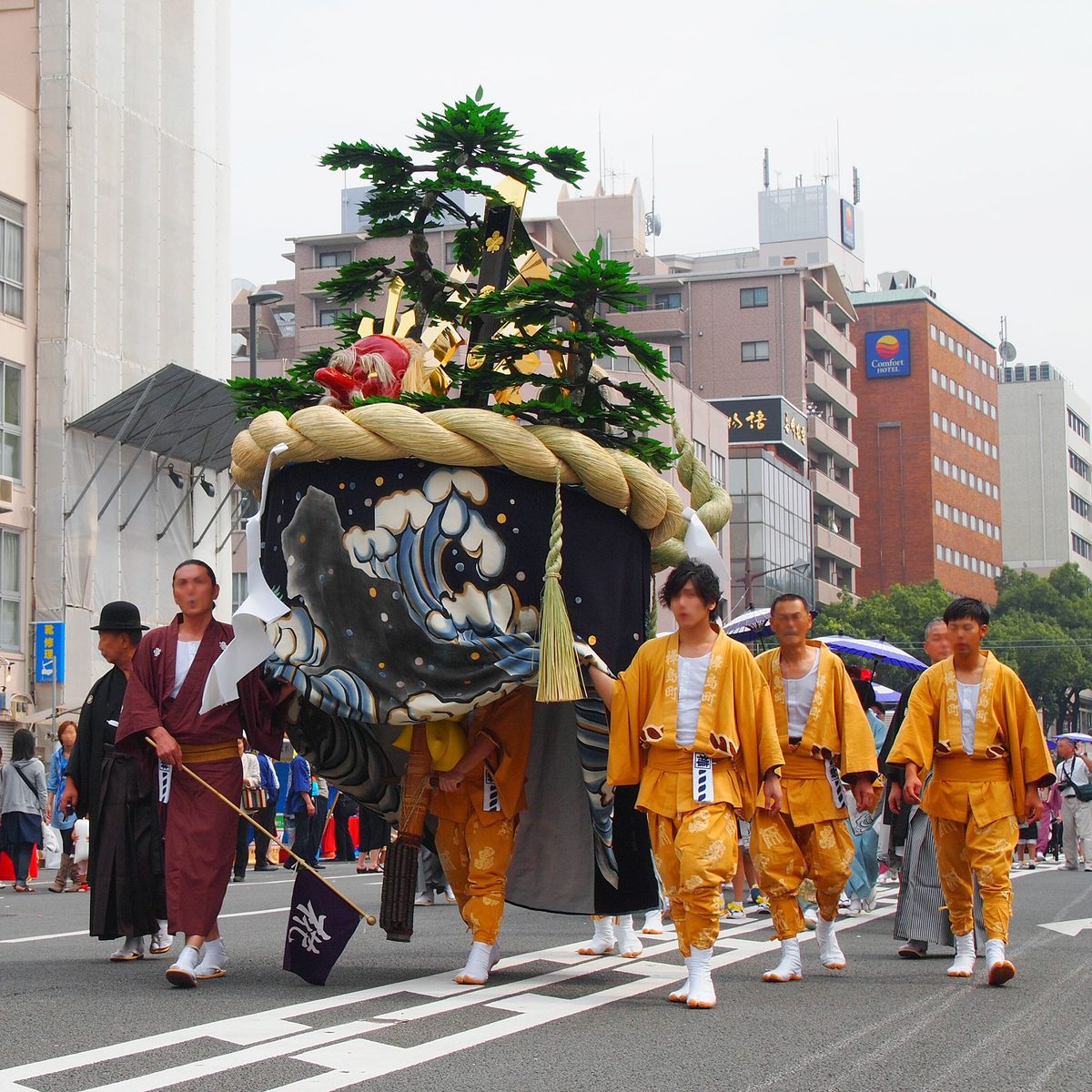
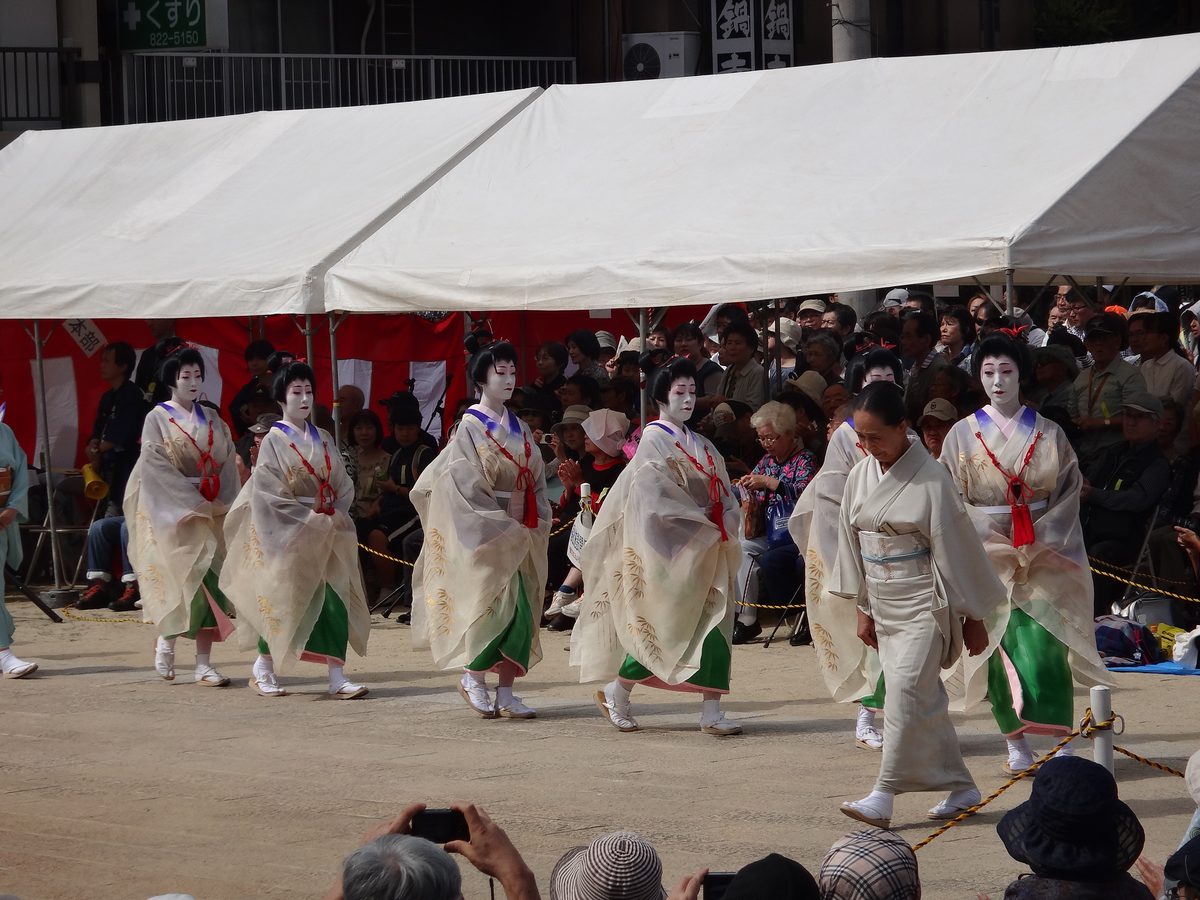
The performances range from quiet, elegant dances to absolute mayhem. Some districts present traditional Japanese dances with careful choreography. Others bring massive floats shaped like ships, whales, or dragons and spin them through the performance area while teams of carriers shout and heave.
The contrast is what makes it entertaining. One act will be serene and beautiful, the next will be forty men hurling a two-tonne float into the air while the crowd goes berserk. You never quite know what is coming next.
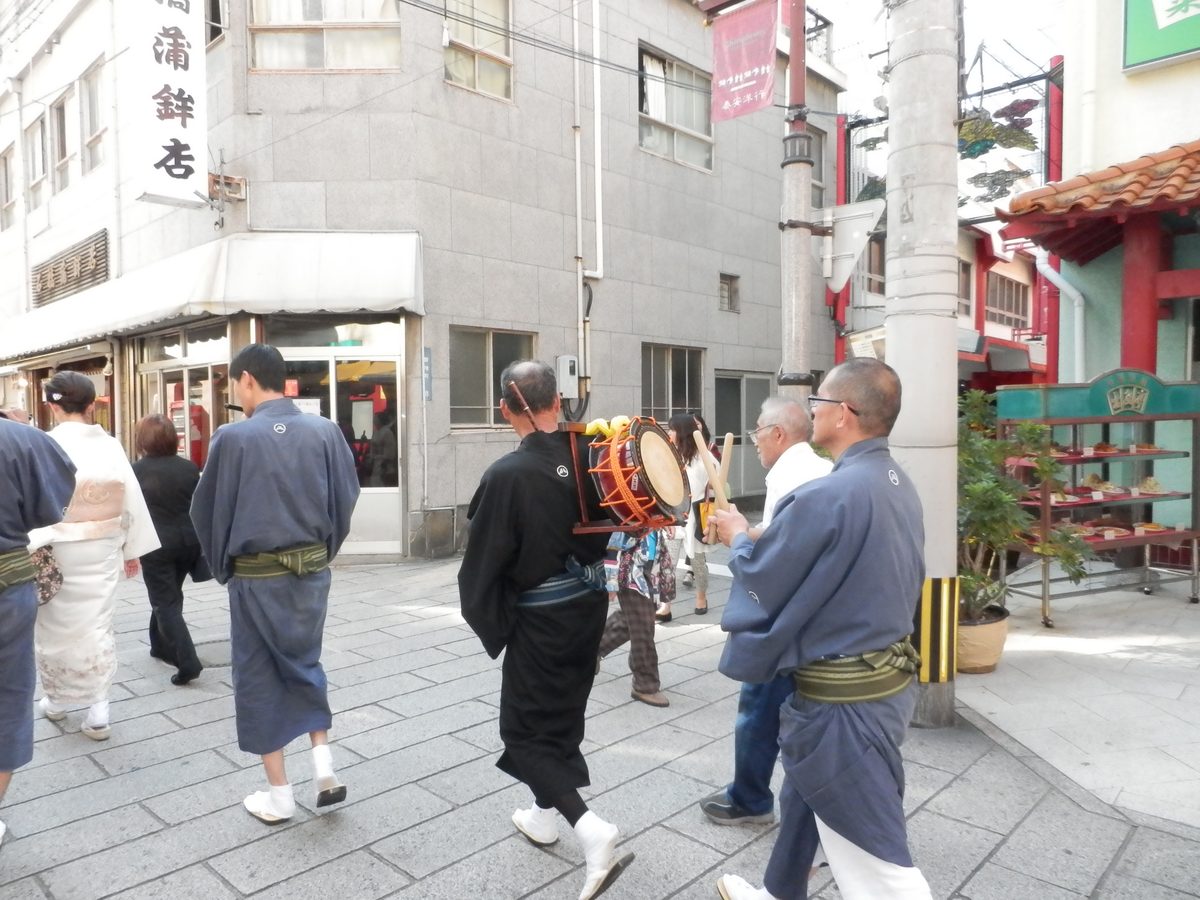
Each performance group is accompanied by shagiri musicians playing traditional instruments. The sound carries across the city during the festival — you can hear Kunchi before you see it.
Where to Watch
There are four main performance venues with paid seating:
Suwa Shrine — the main stage. The shrine’s steep stone steps create a natural amphitheatre. This is where the most dramatic moments happen. Tickets sell out weeks in advance through Japanese-language sales channels, which makes them nearly impossible for foreign visitors to get.
Otabisho — the temporary resting place of the shrine deity during the festival. Performances here.
Yasaka Shrine and Chuo Koen — secondary venues with their own character.
If you cannot get tickets (and you probably cannot), there are free options. The Kamome Hiroba plaza in front of Nagasaki Station hosts performances on October 7 and 9 — check the schedule at tourist information. You can also follow the floats and performers as they walk through the city streets between venues, visiting shops and homes along the way.
Honestly, following the floats through the streets is my favourite way to experience Kunchi. It is less structured than the main performances, but you are right in the middle of it — the crowds, the music, the energy.
Other Festivals in Nagasaki
Kunchi in October is the biggest, but Nagasaki has festivals throughout the year.
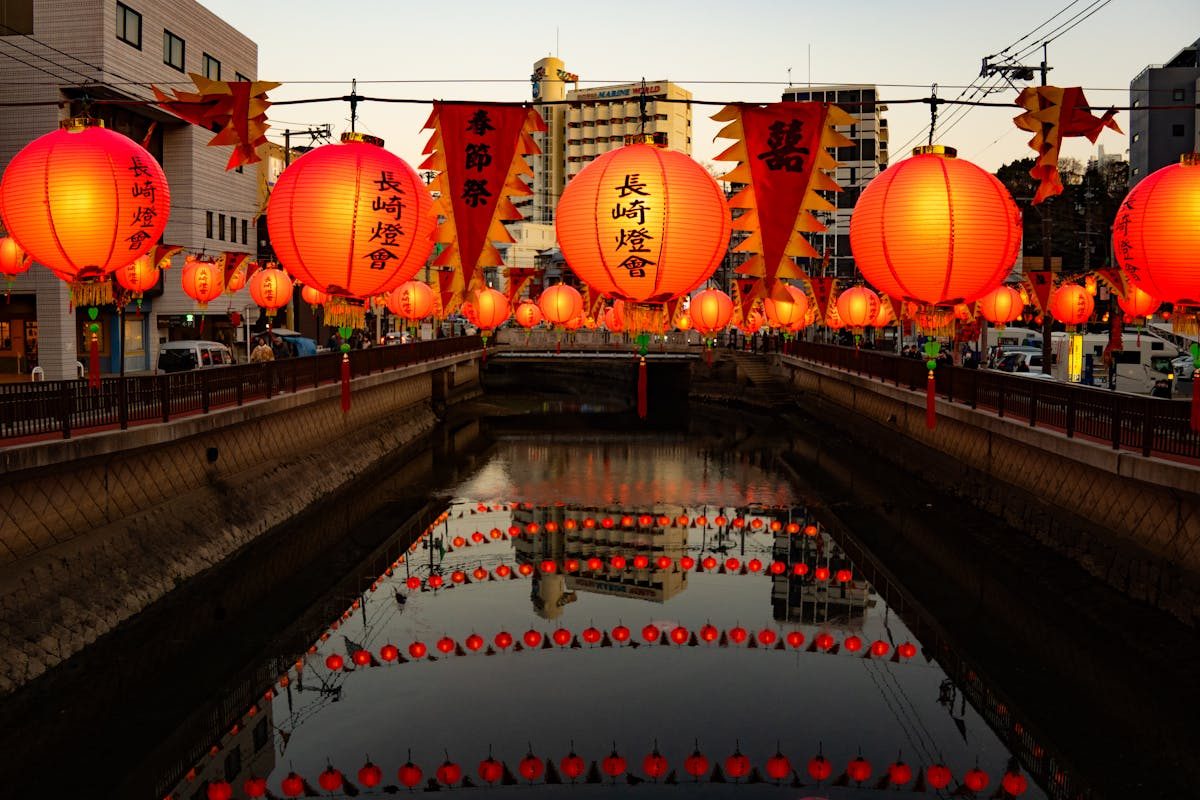
The Nagasaki Lantern Festival in late January or February is the other major event. It started as a Chinese New Year celebration in the Chinatown area and has grown into a city-wide spectacle with 15,000 lanterns lighting up the streets, canals, and temples. It is a completely different atmosphere from Kunchi — quieter, more atmospheric, focused on light rather than sound.
The Obon festival in August features the Shoro Nagashi, where families parade elaborate model ships through the streets to send off the spirits of the recently deceased. It is noisy (the firecrackers are deafening) and emotional — equal parts celebration and mourning.
Planning Your Visit
Dates: October 7, 8, and 9 every year. Rain or shine — the festival goes ahead regardless.
Accommodation: Book months in advance. Nagasaki hotels fill up fast during Kunchi, and prices spike. If you cannot find anything in Nagasaki, Isahaya or Omura are within commuting distance.
Getting around: The tram system runs as normal during Kunchi, but expect crowded cars. Walking is often faster between venues.
What to bring: A small folding stool if you plan to stake out a free viewing spot early. Comfortable shoes — you will be on your feet all day. Sun protection in early October (it is still warm in Nagasaki).
Food: Street food stalls line the festival routes. Nagasaki specialities like castella, champon noodles, and Chinese steamed buns are everywhere.
Tips
- If you only have one day, October 7 has the most performances. The opening ceremonies at Suwa Shrine in the morning are the highlight.
- Follow the floats through the streets between venues — it is free, it is fun, and you get closer to the action than in the seated areas.
- Kamome Hiroba (in front of Nagasaki Station) has free performances. Check the schedule at tourist information when you arrive.
- The Nagasaki Traditional Performing Arts Museum near Suwa Shrine has Kunchi exhibits year-round if you cannot make the festival dates.
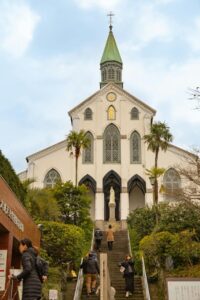
- Combine with Oura Cathedral and Glover Garden — they are open during the festival and much less crowded than usual because everyone is at Kunchi.