I found Karatsu by accident. I was trying to get from Fukuoka to Nagasaki and took the wrong train — the coastal line instead of the express. An hour later I was standing on a beach, looking up at a castle on a cliff with pine trees running off in both directions, and I thought: why is nobody talking about this place?
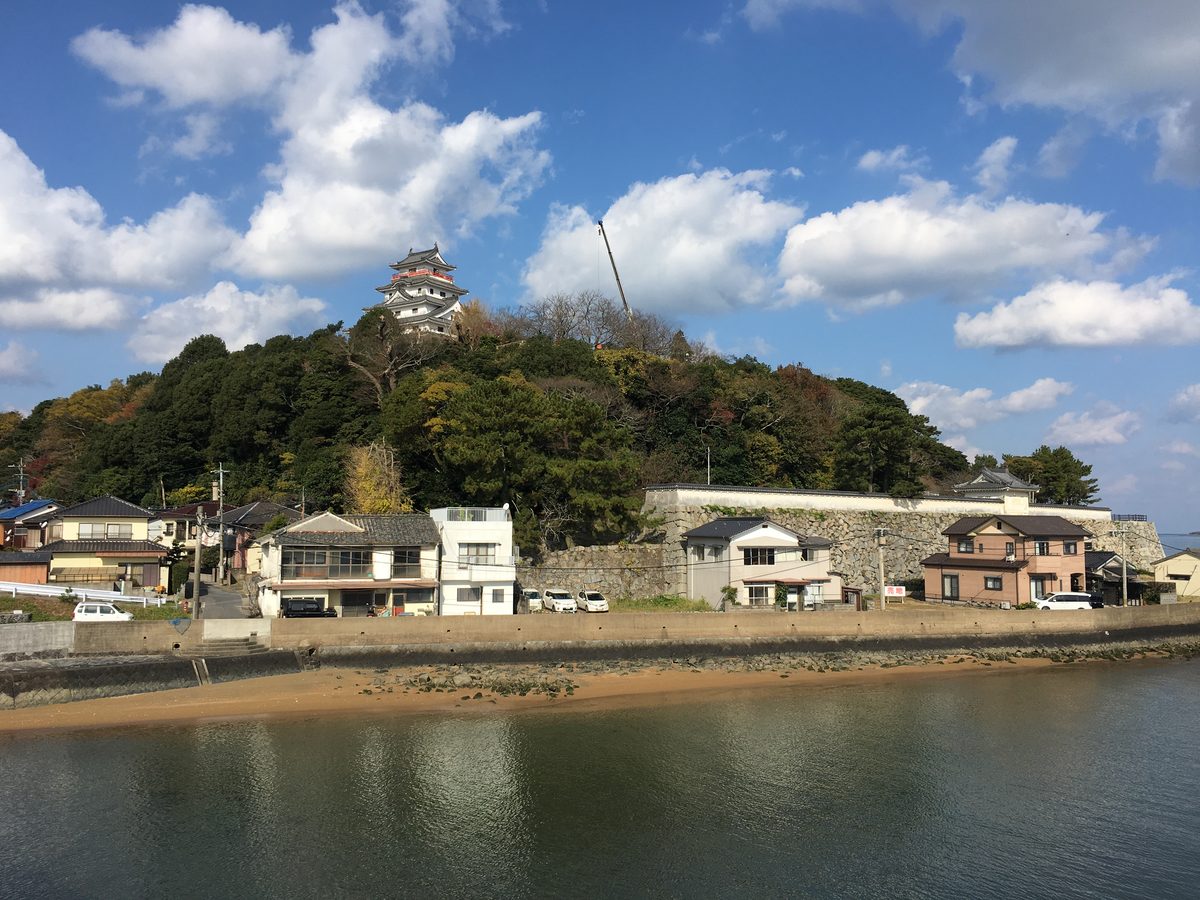
Karatsu is a small seaside town in Saga Prefecture, on the northern coast of Kyushu facing the Genkai Sea toward Korea. It has a castle on a cliff, a pine forest beach that stretches for five kilometres, one of Japan’s best autumn festivals, and some of the finest pottery in the country. And almost no international tourists.
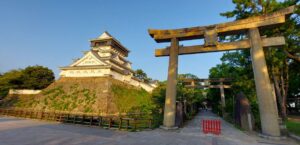
Karatsu Castle
The castle sits on a hilltop between the Matsuura River and the sea. The original was built in 1608 by Terasawa Hirotaka, who had been involved in the Korean campaigns of the 1590s. The current tower is a 1966 concrete reconstruction, but the stone walls are original and the location is spectacular.
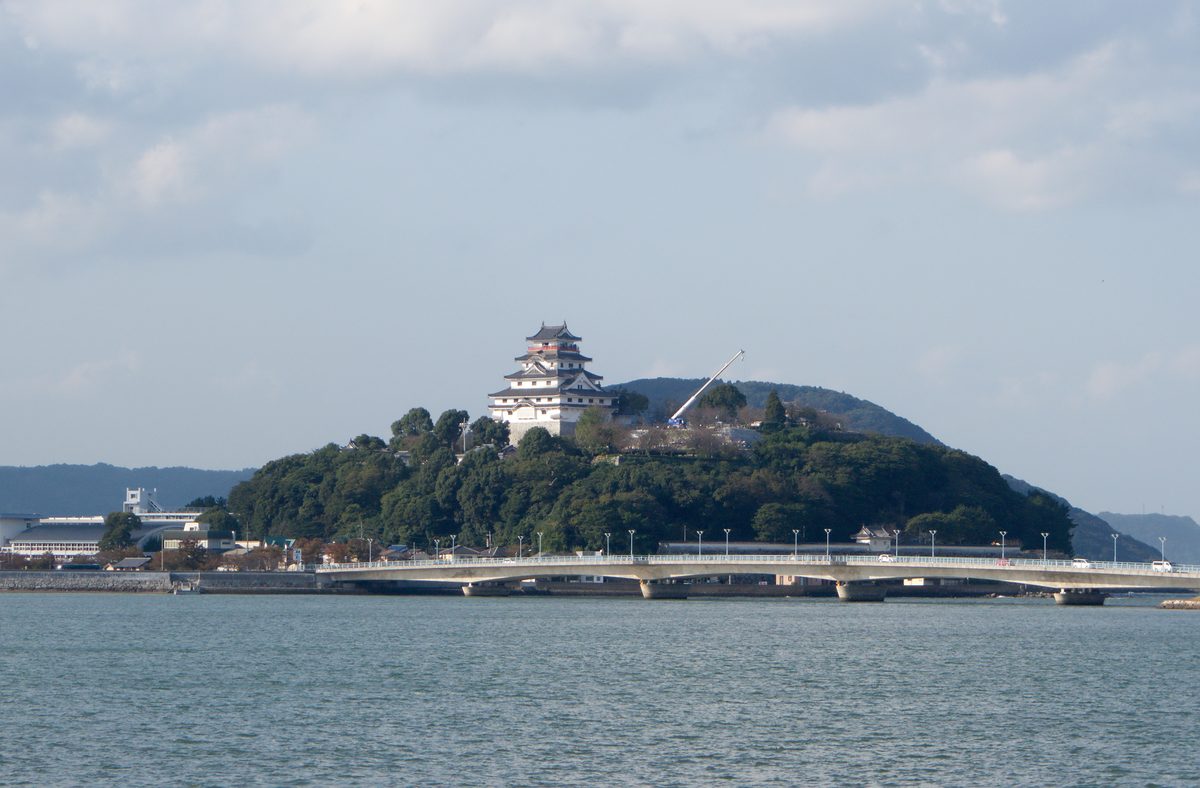
The top floor has views over the Genkai Sea, the town, and the long arc of Nijinomatsubara pine forest. On clear days you can see islands offshore. The museum inside covers local history — particularly Karatsu’s role as a trading port and its pottery tradition.
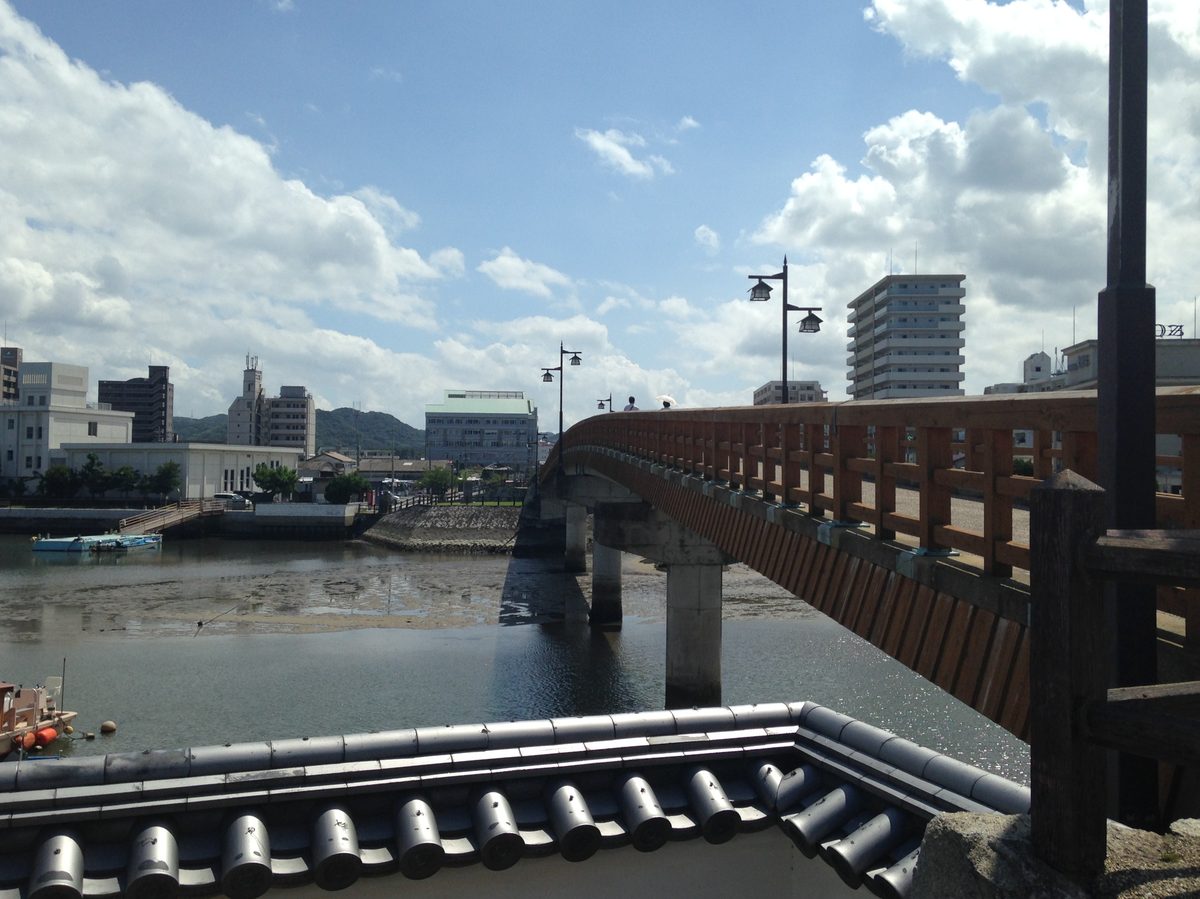
The walk up to the castle takes about 15 minutes from the town centre. There is also an elevator built into the hillside if you do not want to climb (100 yen). The castle grounds are small but well kept, with cherry trees that bloom in early April and azaleas in May.
Hours: 9:00 AM to 5:00 PM. Admission: 500 yen.
Nijinomatsubara Pine Forest
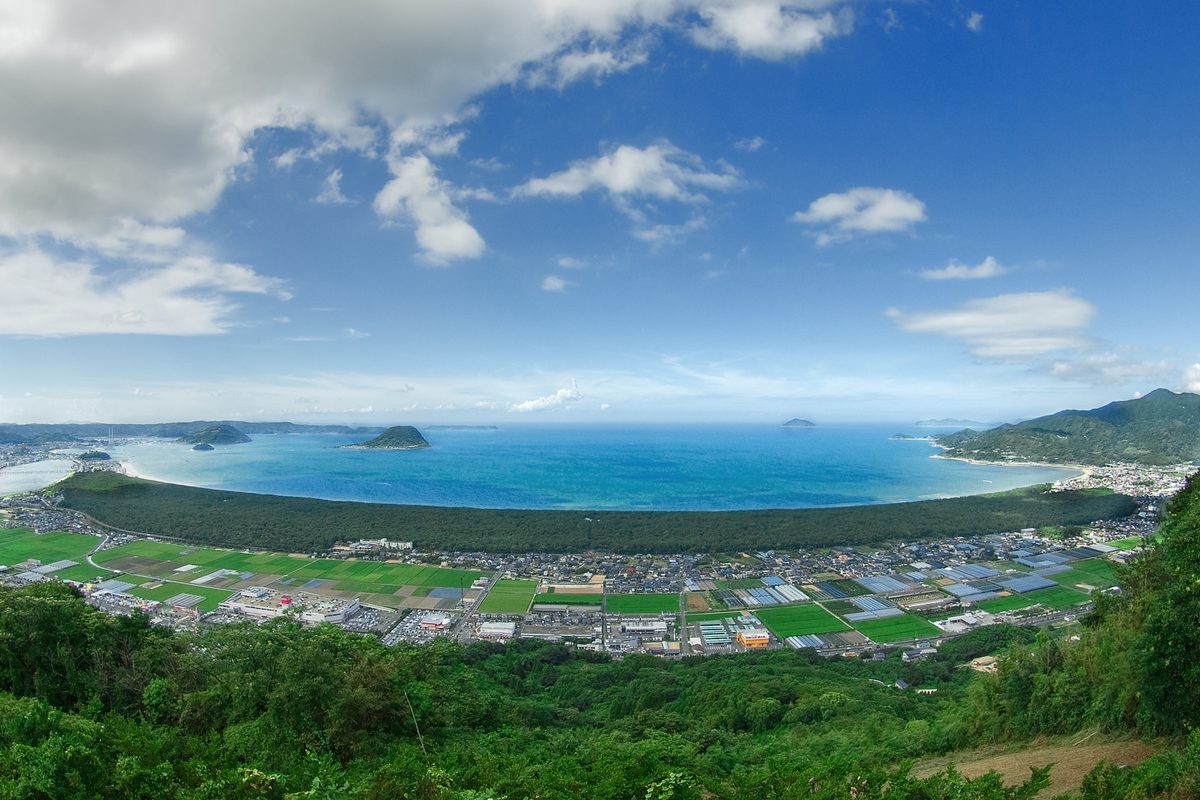
This is one of Japan’s “three great pine groves” (Nihon Sandai Matsubara). Around one million black pine trees stretch for about five kilometres along the beach, planted centuries ago to protect the farmland behind from wind and salt spray.
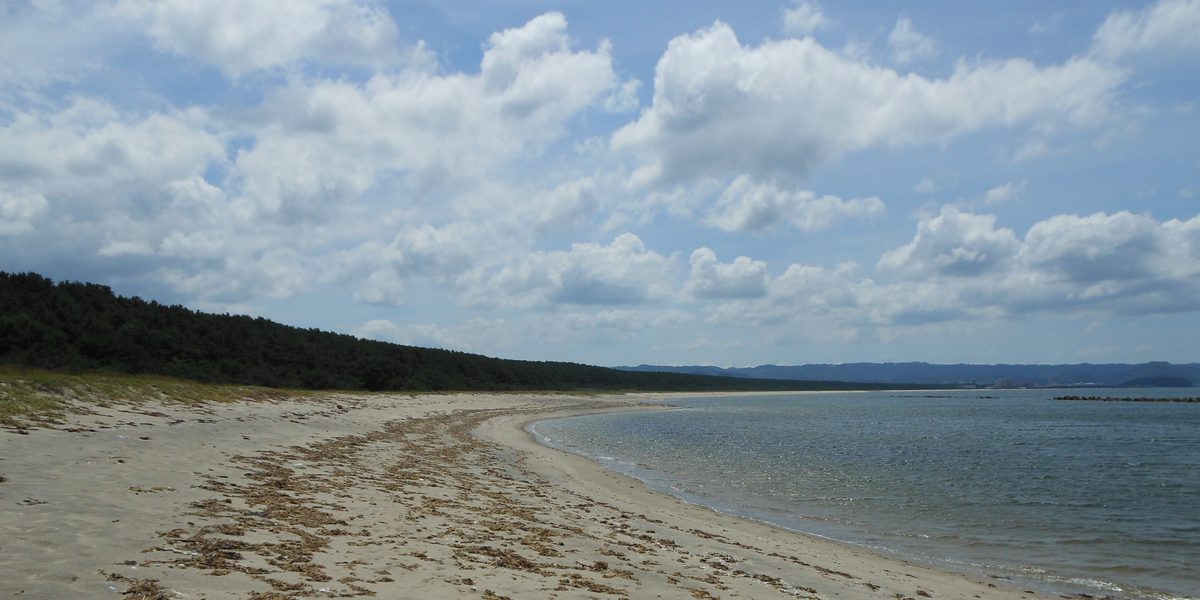
Walking through the forest is beautiful in any season. The light filters through the canopy in ways that change by the hour. There are sandy paths running through the trees, and you can hear the ocean the whole time even when you cannot see it. It takes about an hour to walk the full length, but even a 20-minute stroll gives you the experience.
The beach alongside the forest is swimmable in summer, though the Genkai Sea can be rough. In autumn and winter it is quiet and atmospheric — strong winds, crashing waves, and not another person in sight.
Karatsu Pottery (Karatsu-yaki)
Karatsu has been a pottery centre since the 16th century, when Korean potters were brought to Japan (some willingly, some not) during Toyotomi Hideyoshi’s Korean campaigns. The pottery tradition they established here became known as Karatsu-yaki, and it is still one of the most respected styles in Japanese ceramics.
The town has several pottery studios and galleries open to visitors. The Nakazato Tarouemon kiln is the most famous — it has been run by the same family for 14 generations. Some studios offer pottery experiences where you can try the wheel yourself (around 3,000-5,000 yen).
There is an old saying in Japanese tea ceremony: “first Raku, second Hagi, third Karatsu” — referring to the three most prized pottery styles for tea bowls. Karatsu-yaki is characterised by its earthy, understated colours and rough texture. If you buy one piece in Kyushu, make it a Karatsu tea bowl.
Karatsu Kunchi Festival
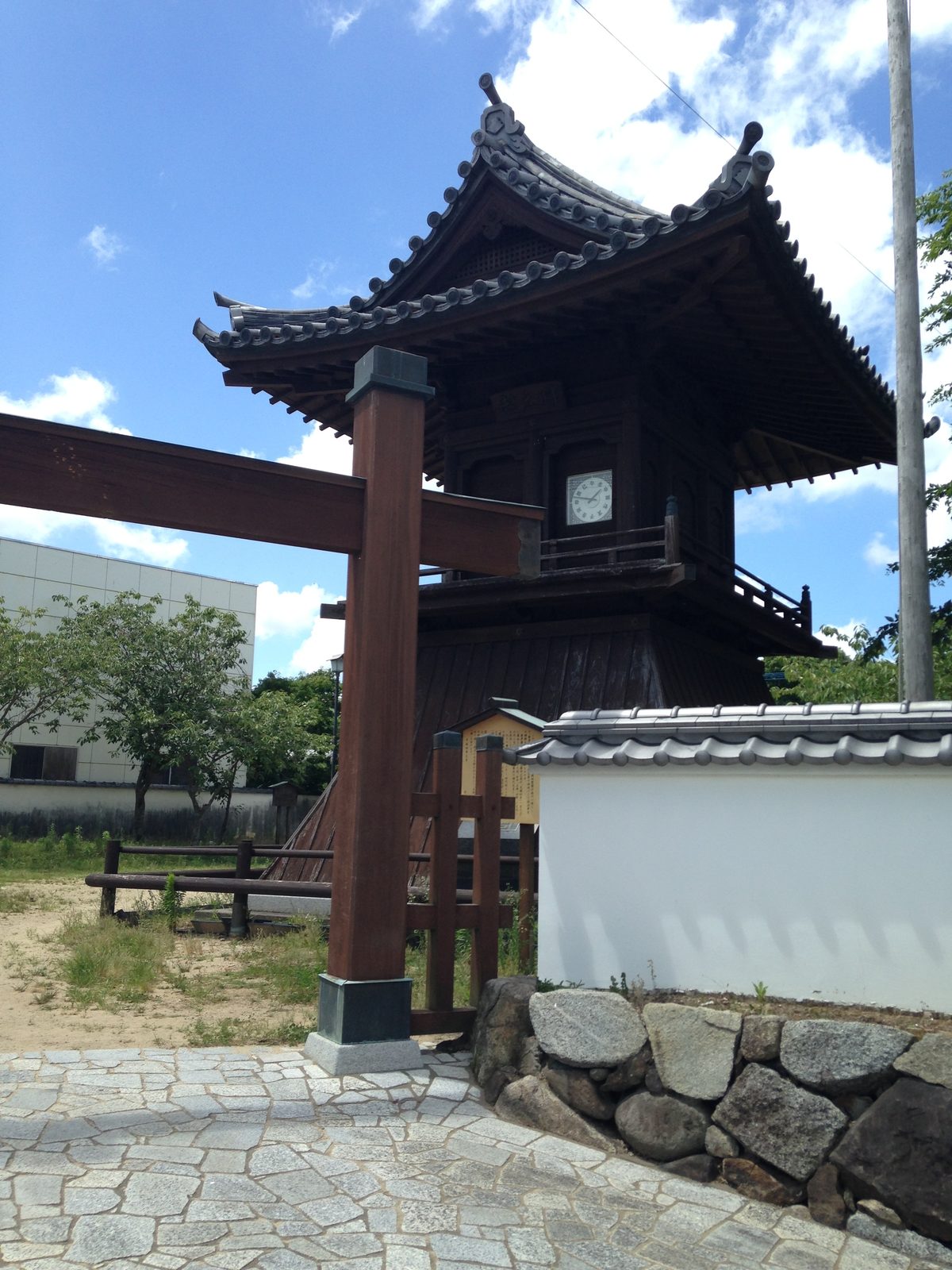
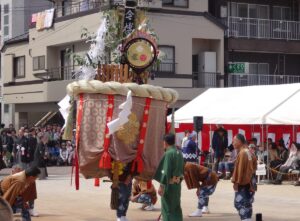
If Karatsu has a claim to fame among Japanese festival enthusiasts, it is the Karatsu Kunchi, held November 2-4. Fourteen massive lacquered floats (hikiyama) shaped like samurai helmets, sea bream, dragons, and lions are paraded through the streets by teams of men in matching festival coats.
The floats are designated Important Intangible Folk Cultural Properties. Some are over 200 years old. Each weighs between two and five tonnes and takes dozens of people to move. Watching them career around street corners is half the fun — it is barely controlled chaos.
The festival climaxes with all 14 floats gathering on the beach at Nishi-no-hama, where they are lined up in the sand facing the sea. It is one of the most photogenic festival moments in Japan.
Read my separate guide to the Karatsu Kunchi festival for full details.
The Old Town
Karatsu’s old town is compact and walkable. The streets around the castle and shrine area have traditional wooden buildings, a few old merchant houses, and the kind of quiet small-town atmosphere that has disappeared from most of urban Japan.
The Takatori Residence, a grand coal merchant’s house from the Meiji era, is worth a look if you are interested in architecture. And the morning fish market at Karatsu Port is one of the best in Kyushu — the Genkai Sea provides some of Japan’s finest squid, sea bream, and shellfish.
How to Get to Karatsu
From Fukuoka (Hakata): Take the JR Chikuhi Line from Hakata Station. About 75 minutes, 1,170 yen. The train runs along the coast for the last 20 minutes — beautiful scenery.
From Saga: JR Karatsu Line, about 75 minutes.
By car: About 60 minutes from Fukuoka via the expressway.
Karatsu is small enough to walk everywhere once you arrive. The castle, pine forest, and old town are all within 20 minutes of the station on foot.
Tips
- The Karatsu Kunchi (November 2-4) and cherry blossom season (early April) are the best times to visit. Any quiet weekday works too — the pine forest is always beautiful.
- Buy pottery directly from the studios, not from souvenir shops. The quality is better and the prices are often the same or cheaper.
- The morning fish market at Karatsu Port is best before 8 AM. Try the ika (squid) — Karatsu’s squid is some of the best in Japan.
- Combine with a day trip to Yobuko, a fishing village 30 minutes north, famous for live squid sashimi.
- The Genkai Sea coast north of Karatsu has dramatic cliffs and hidden beaches — worth exploring if you have a car.