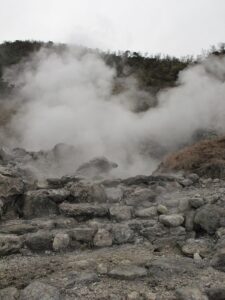
The ground was warm under my feet. Not metaphorically — actually warm. I was standing on the rim of an active volcano in the middle of Kyushu, watching sulphurous steam pour out of a turquoise crater lake, and the earth beneath me was genuinely hot to the touch.
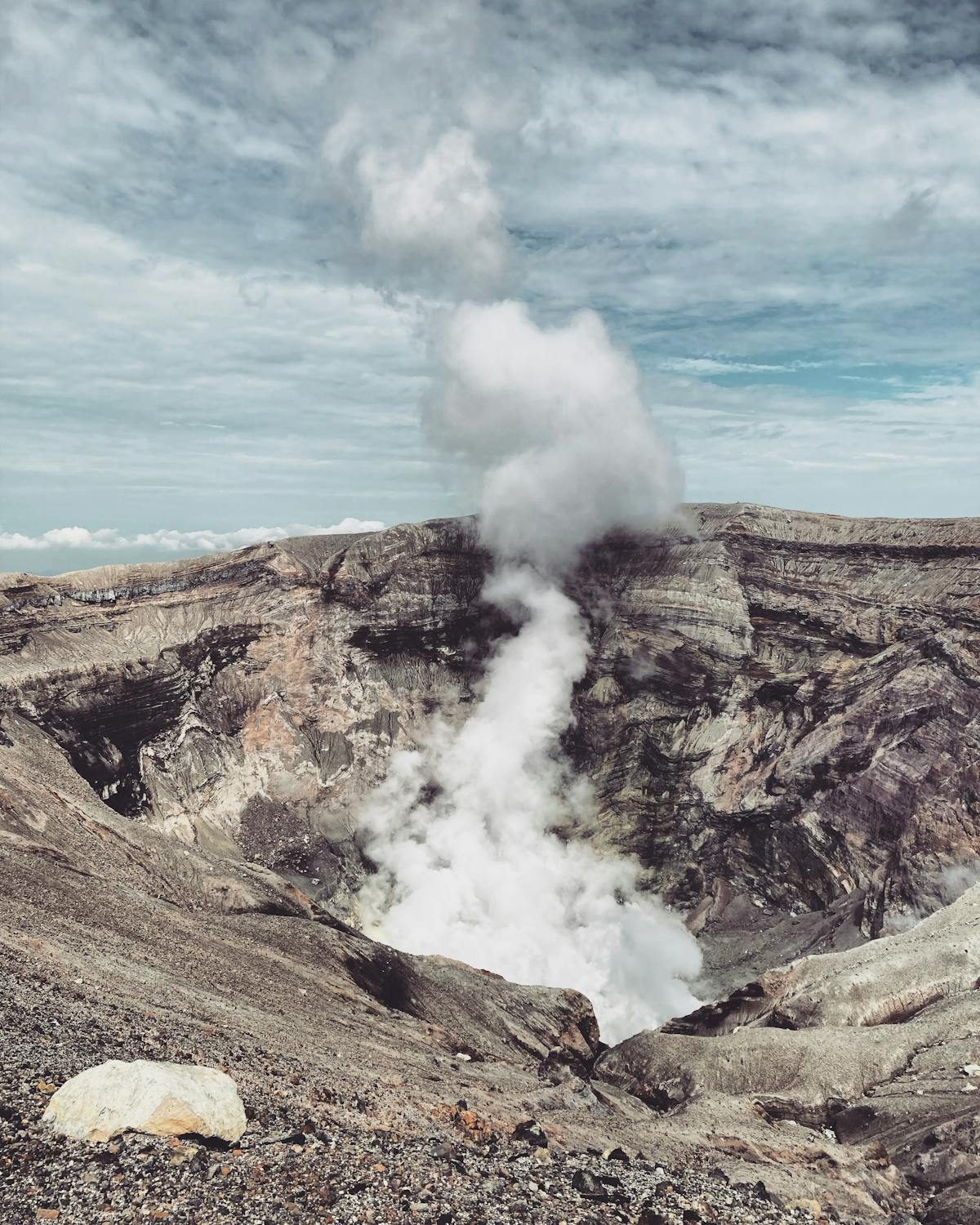
Mt Aso is not a polite volcano. It erupted in 2021. And 2016. And plenty of times before that. But between eruptions, it lets you get close enough to smell the sulphur and feel the heat rising from the crater floor. That combination of accessibility and raw geological power is what makes this place unlike anything else in Japan.
Understanding the Caldera
First, some scale. The Aso caldera is enormous — 25 kilometres across, over 100 kilometres around the rim. It is one of the largest calderas in the world, formed by a catastrophic eruption roughly 90,000 years ago that buried most of central Kyushu under volcanic debris.
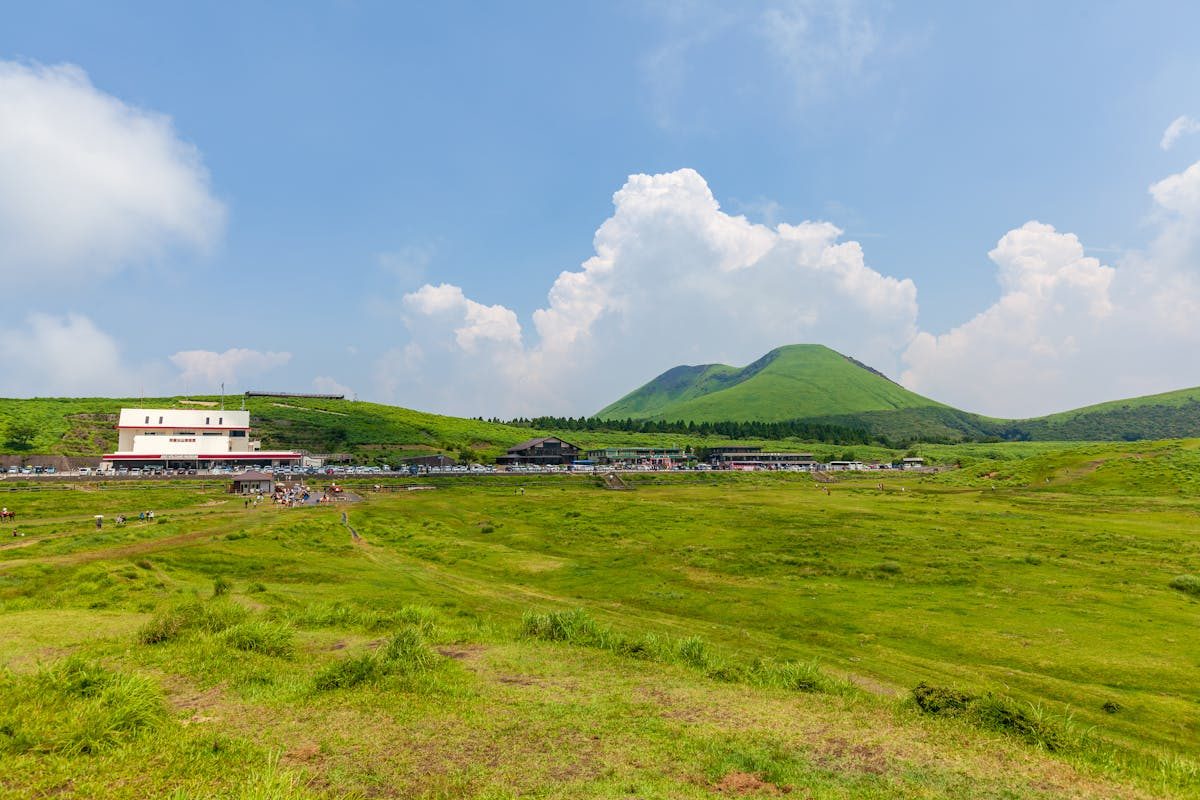
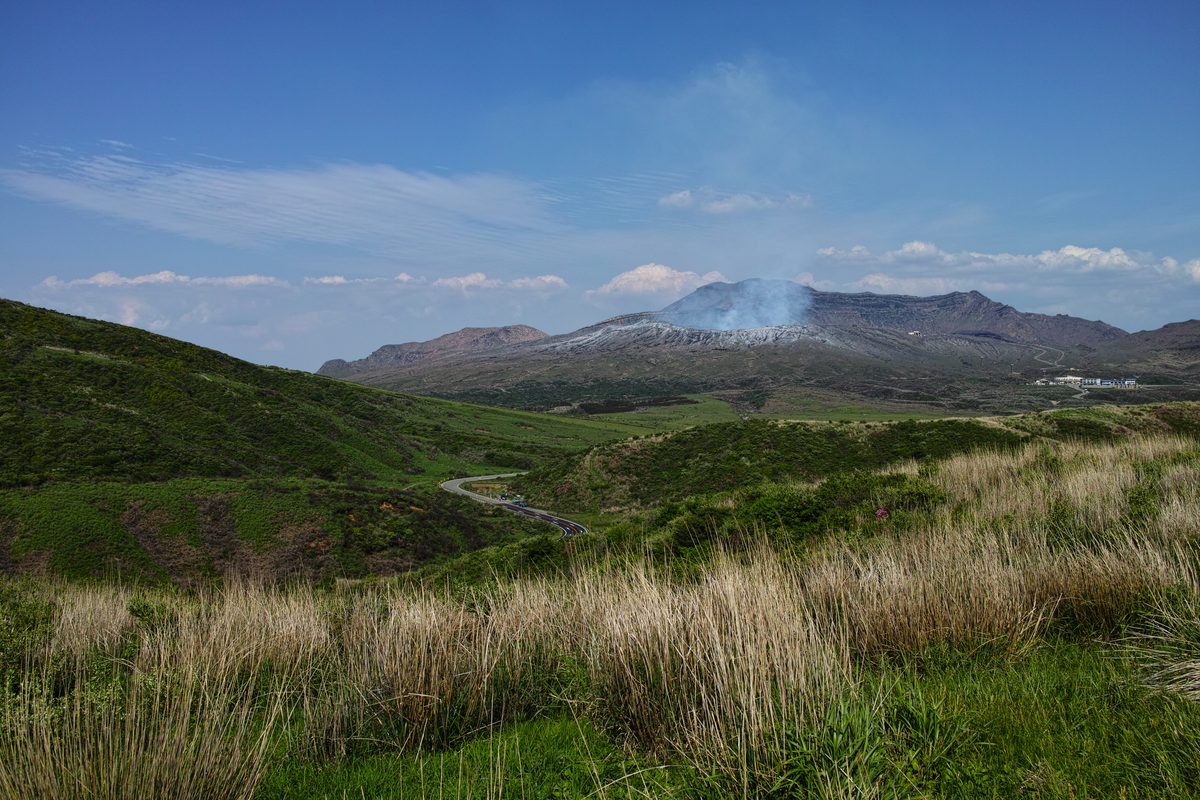
Today, about 50,000 people live inside the caldera. There are towns, schools, rice paddies, train stations. The caldera floor is so vast that it does not feel like you are inside a volcano at all — just a wide green valley surrounded by mountains. Until you look at the centre, where five peaks rise up and one of them is actively smoking.
The Nakadake Crater
Nakadake is the star attraction. It is one of the few places in the world where you can walk right up to the rim of an active volcanic crater and look into it. When it is open.
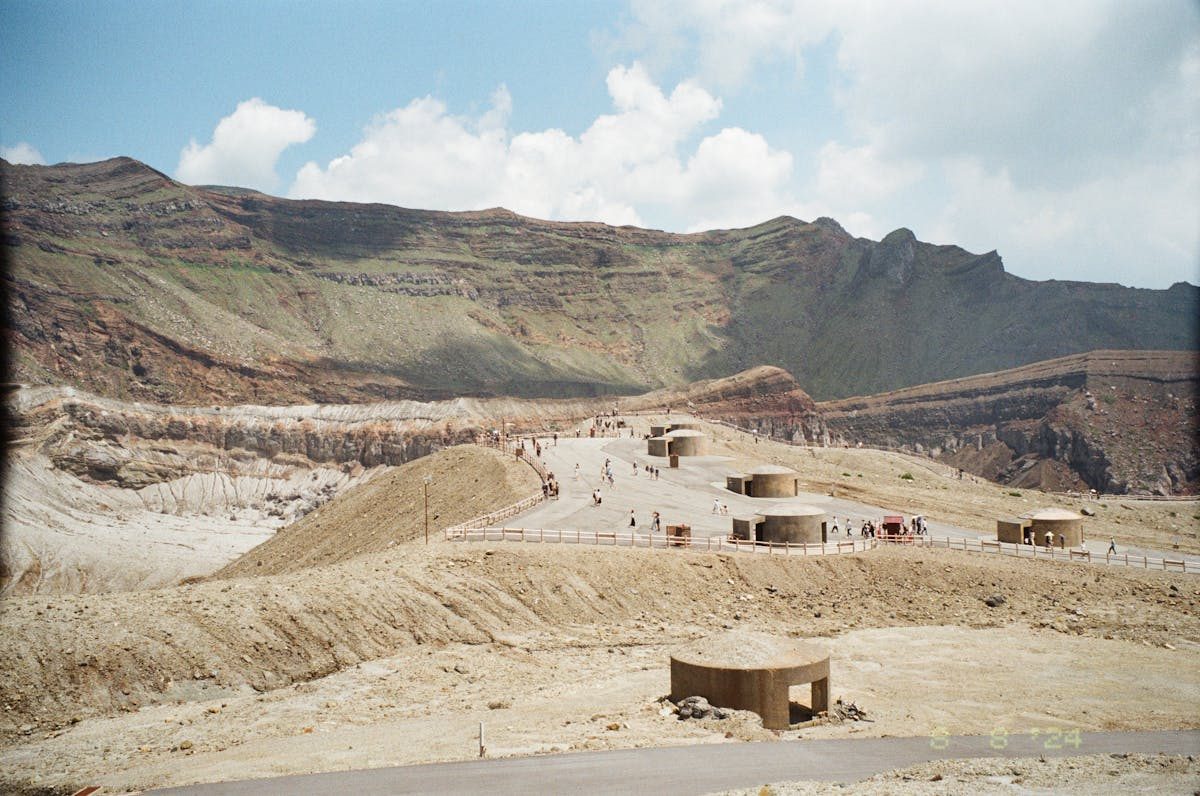
The crater access was closed from October 2021 until July 2025 due to elevated volcanic activity. It is open again now, but closures happen regularly — sometimes for hours, sometimes for months. Gas levels, wind direction, eruption risk, even just bad weather can shut it down with no warning. Always check the official Aso Volcano status page before making the trip.
When it is open, you can drive or take a shuttle bus right to the crater rim. The viewing area is paved and has concrete shelters scattered along it — designed to protect you if the volcano throws rocks. That is not theoretical. They have been used.
The crater itself is about 600 metres wide and 130 metres deep. Depending on conditions, you will see a milky turquoise lake at the bottom, or just a roaring vent of steam and gas. The colour of the lake changes constantly — it can go from blue-green to grey to almost white depending on temperature and chemistry.
Hiking to the Summit
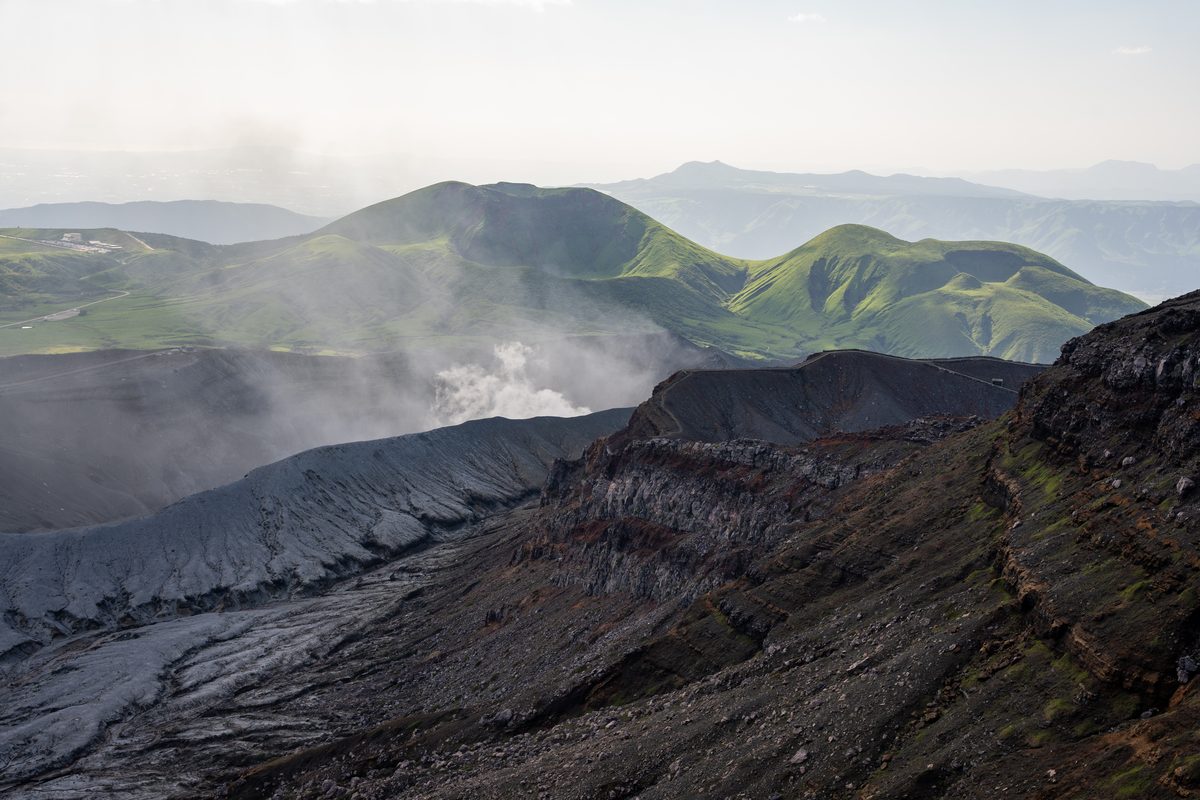
If you want more than the viewing area, there is a hiking trail from the parking lot near the crater up to the Nakadake summit. It takes about 90 minutes to climb, and “climb” is the right word — there is a very steep section over loose volcanic stones that will test your ankles.
From the top, you are about 350 metres above the crater. The views are spectacular — you can see the entire caldera spreading out below you, the other four peaks of the Aso group, and on clear days, all the way to Kumamoto city.
You can also continue from Nakadake to Takadake (1,592m), the highest peak of Mt Aso. That adds another hour or so. The trails get closed along with the crater when volcanic alert levels rise, so check before you set out.
Proper hiking shoes are essential. The volcanic stones are sharp and loose, and the trail is not maintained to the standard you might expect from Japan. This is a real mountain hike, not a paved walkway.
Kusasenri — The Easy Alternative
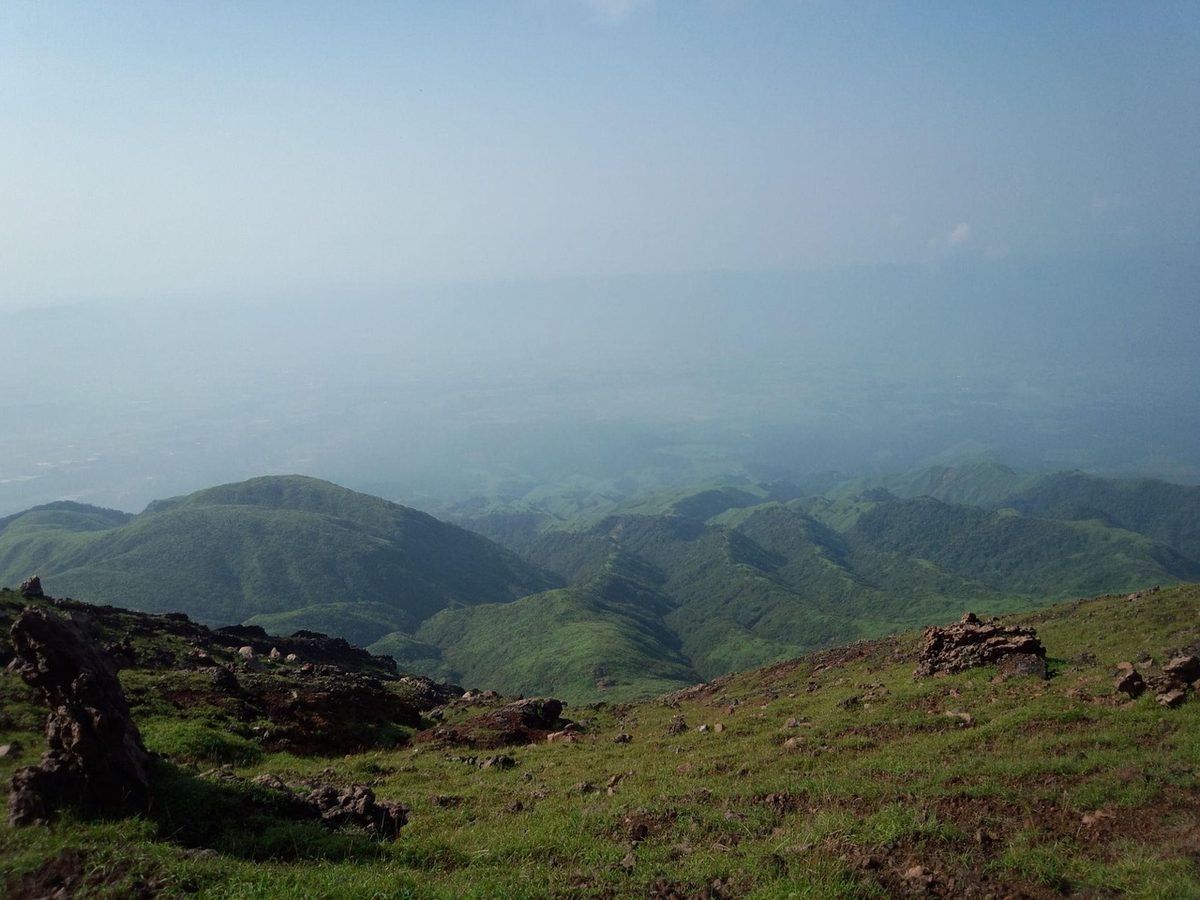
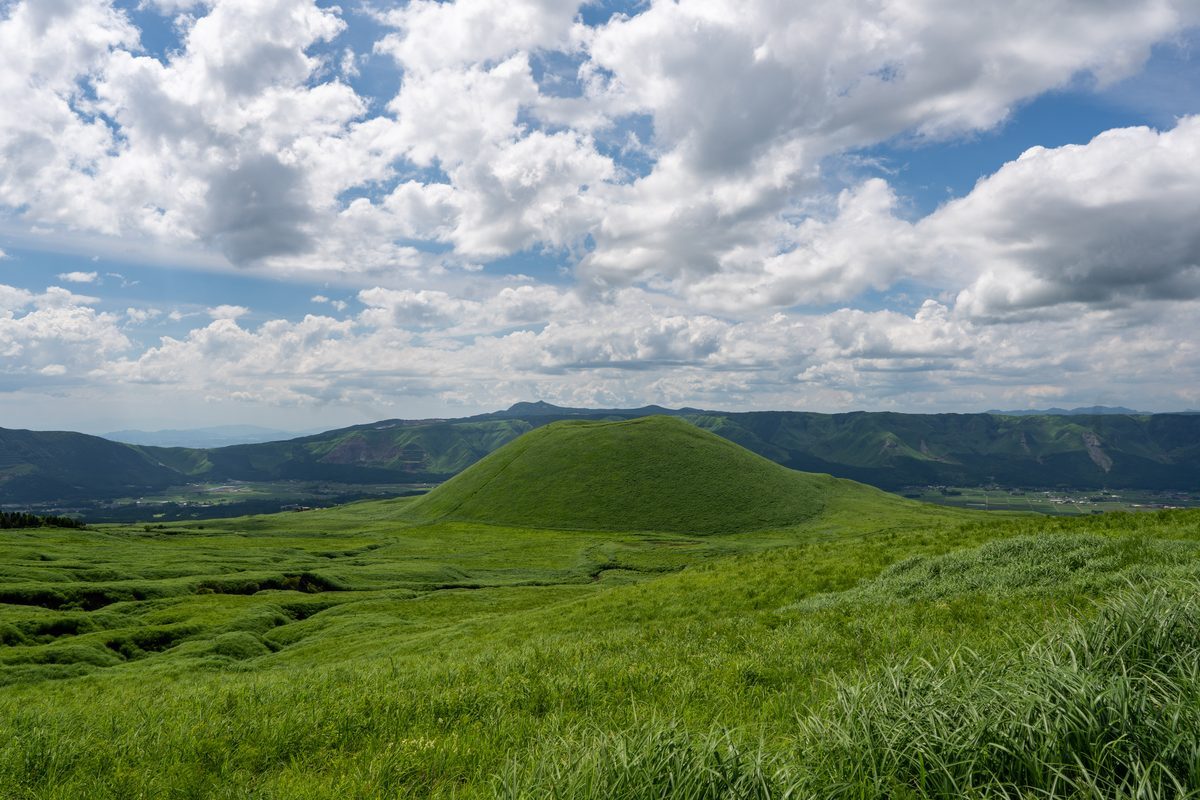
Not everyone wants to scramble up volcanic scree. Kusasenri is a wide, flat grass plain not far from the crater, and it is a beautiful spot without requiring any real effort. There are gentle walking paths, open meadows, and horse riding available from early March to mid-December.
The Aso Volcano Museum sits on the edge of Kusasenri. At 1,300 yen it is not cheap, but it has live camera feeds from inside the crater (useful if the crater itself is closed) and good explanations of the volcano’s geology and eruption history.
Driving the Caldera
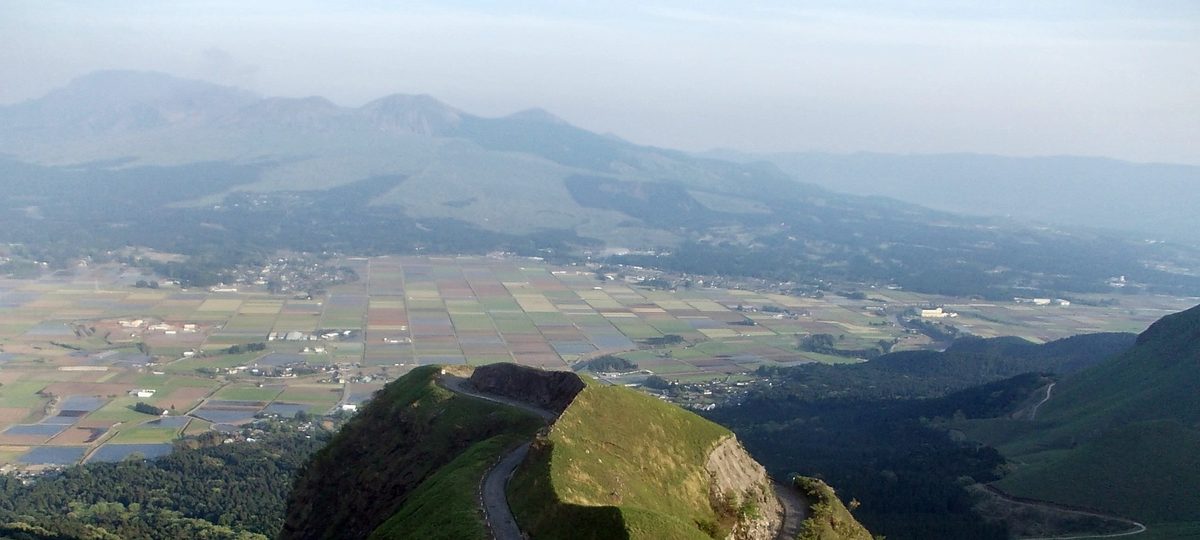
If you have a car, the roads around and through the Aso caldera are some of the best driving in Japan. The Milk Road runs along the northern rim of the caldera with endless views of green grassland rolling off in every direction. The Tenku-no-michi (“sky road”) section is particularly dramatic — it feels like driving through the sky.
The road up to the crater costs 1,000 yen per car as a toll. But the roads around the caldera itself are free and genuinely stunning. Budget at least a couple of hours just for driving and stopping at viewpoints.
The Rice Fields and the Villages
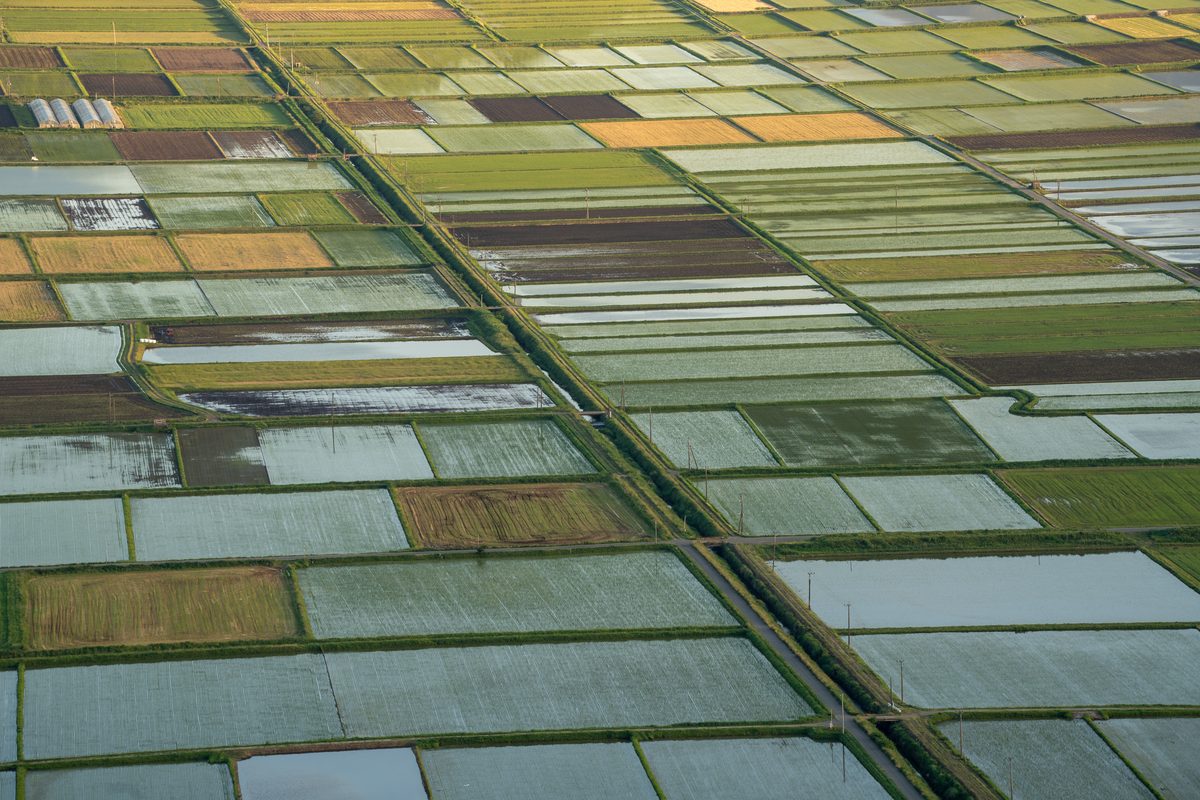
One of the things that makes Aso unusual among volcanoes is that people live inside it. The caldera floor is prime farming country — rich volcanic soil, plenty of water, sheltered from the worst weather. The rice paddies inside the caldera are beautiful, especially in late spring when they are flooded and reflect the sky, or in early autumn when they turn gold before harvest.
The small towns inside the caldera — Aso, Takamori, Minami-Aso — have onsen, local restaurants, and a quiet rural atmosphere that feels a world away from the volcanic drama on the peaks above.
Mt Aso and the Atomic Bomb
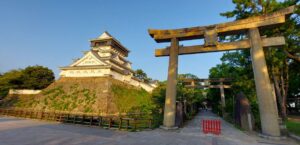
Here is something most visitors do not know. Kokura, not Nagasaki, was the primary target for the second atomic bomb on August 9, 1945. But cloud cover over Kokura that morning meant the bomber could not get a visual on the target. After three passes, they diverted to the secondary target: Nagasaki.
Some historians attribute that cloud cover to smoke from fires at a nearby arsenal. Others point to natural weather patterns. Either way, the caldera landscape around Aso played a role in channelling weather patterns that day. Kyushu’s volcanic geography literally changed the course of history.
When to Visit
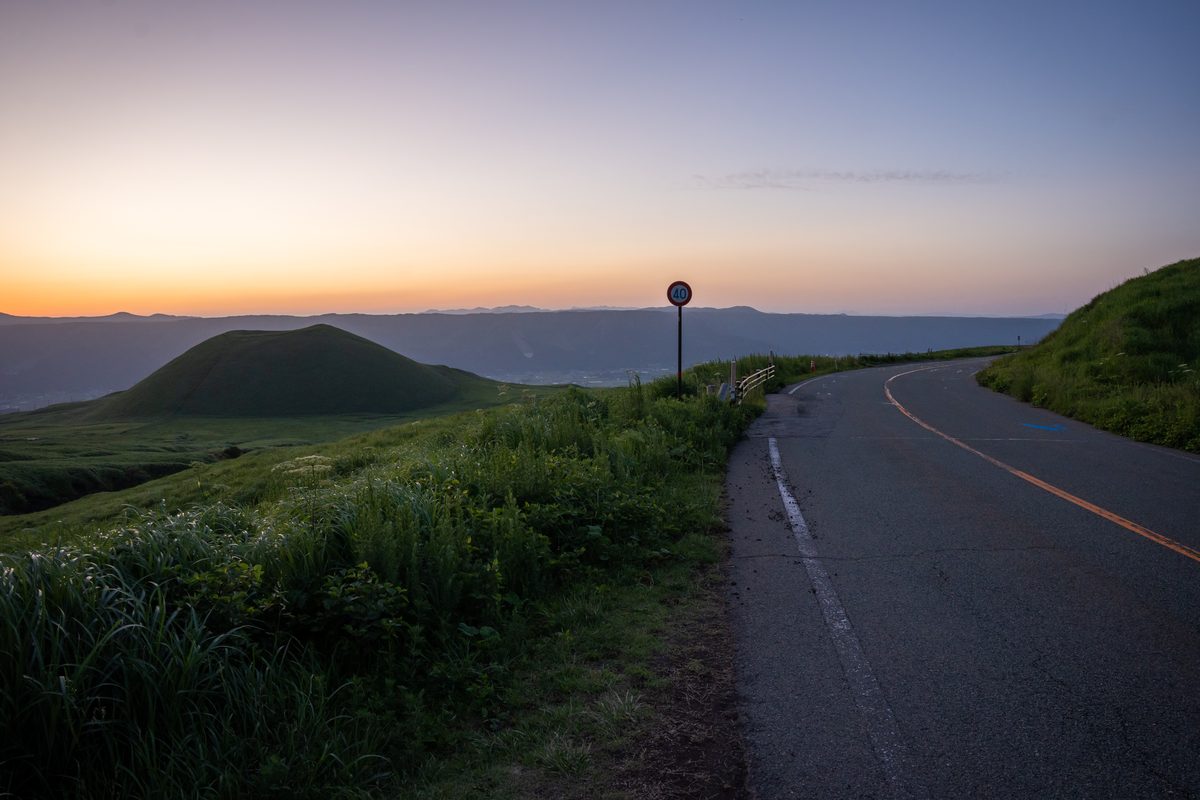
Spring (April-May): Green everywhere. Rice paddies flooded. Wildflowers on the grasslands. Best time for the caldera scenery.
Summer (June-August): Hot and humid. The lush green is at its peak, but afternoon thunderstorms are common in the mountains. Rainy season (tsuyu) in June can be miserable.
Autumn (September-November): Rice harvest turns the valley gold. The grasslands go brown and the light gets softer. Fewer crowds than spring.
Winter (December-February): Cold and sometimes snowy on the peaks. The caldera can be beautiful with frost, but facilities close or reduce hours. Crater access is more likely to be restricted.
How to Get to Mt Aso
By train: JR Aso Station on the Hohi Line. From Kumamoto, about 70 minutes by limited express (or 90 minutes by local train). From Aso Station, buses run to the crater every 1-2 hours (1,000 yen one way).
By car: From Kumamoto, about 60 minutes via Route 57. From Beppu/Oita, about 90 minutes. The drive through the caldera is part of the experience — do not just rush to the crater.
By bus: Highway buses connect Kumamoto and Aso. From Aso Station, the Aso crater shuttle costs 1,000 yen to Asosanjo Terminal, then 700 yen for the final shuttle to the crater rim.
Practical Tips
- Check the crater status before you go: the official Aso Volcano site has real-time updates. Do not drive 90 minutes to find it closed.
- Bring layers. The crater area is exposed and windy, even in summer. Temperature drops noticeably at altitude.
- If you have respiratory issues (asthma, etc.), the volcanic gases at the crater are genuinely dangerous. There are warning signs and restrictions for people with breathing difficulties. Take them seriously.
- The Aso Volcano Museum is worth it if the crater is closed — they have live crater cameras.
- If you are driving, fill up before leaving Kumamoto or Aso town. Petrol stations are sparse in the caldera.
- Horse riding at Kusasenri is about 1,500 yen for a short ride. Fun, but not essential.