The first time I watched a Noh performance, I did not understand a single word. The language was archaic Japanese, the movements were glacially slow, and the plot — something about a ghost returning to a pine tree — made no sense to me. But I could not look away. There was something hypnotic about the masks, the music, the way a performer could fill an entire stage with a single deliberate step.
Noh is one of the oldest surviving theatrical forms in the world. It has been performed continuously in Japan since the 14th century, and Kyushu — particularly the Kokura area in Kitakyushu — has a deep connection to this art form that most visitors never discover.
What is Noh?
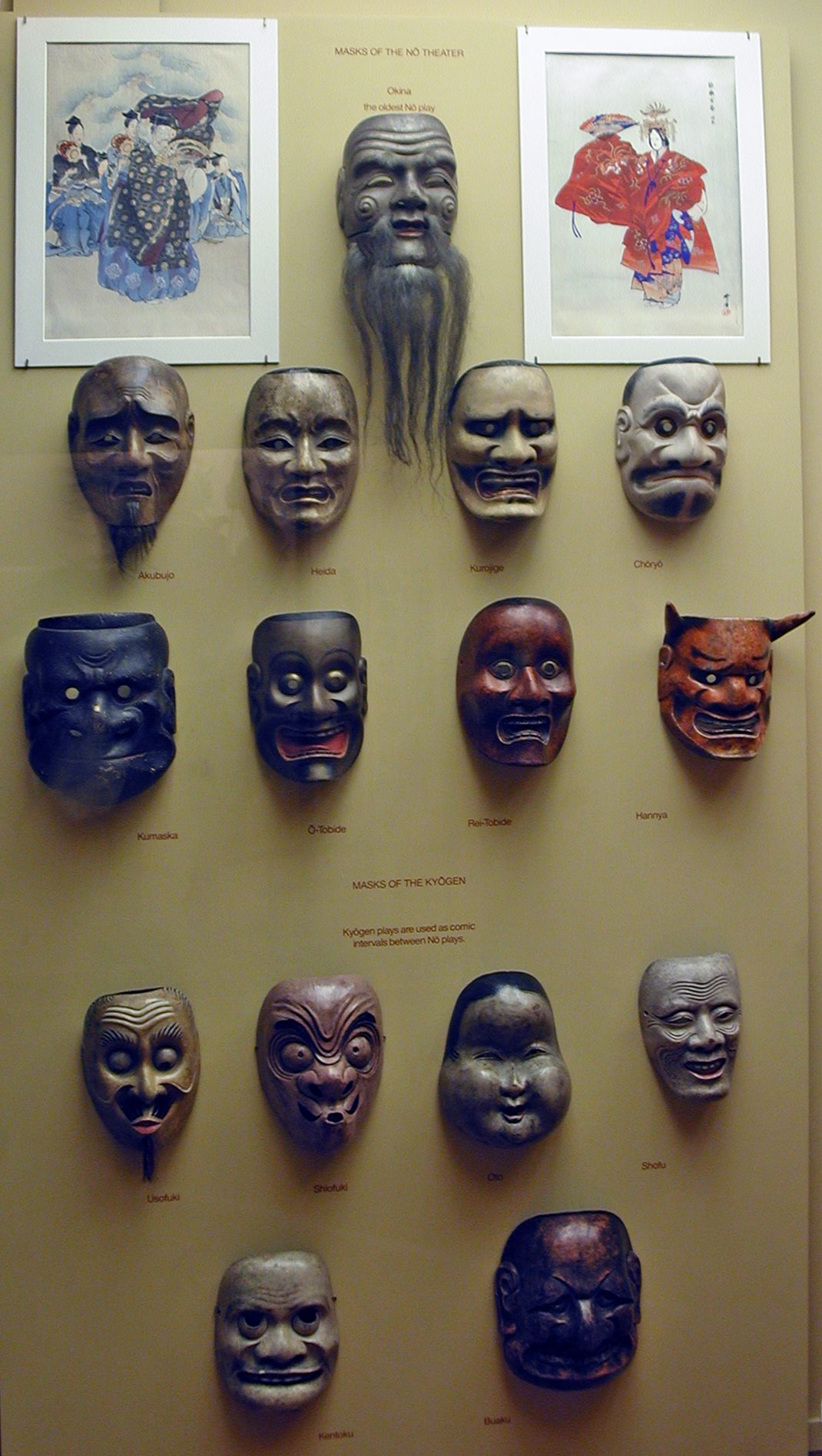
Noh is a form of musical drama that combines dance, poetry, music, and masks. Performances take place on a bare wooden stage with almost no props. The actors wear elaborate costumes and carved wooden masks that represent different characters — women, old men, demons, gods, warriors, ghosts.
The stories draw from Japanese mythology, Buddhist teachings, historical events, and classical literature. Many of the plays are about the dead returning — a warrior’s ghost reliving his final battle, a woman’s spirit haunting the place where she died. The mood is contemplative, sometimes eerie. Nothing happens quickly in Noh. That is the point.
What surprised me most is that Noh is not a museum piece. It is still performed by professional troupes in purpose-built theatres across Japan. Some families have been performing Noh for 20 or more generations.
The Masks
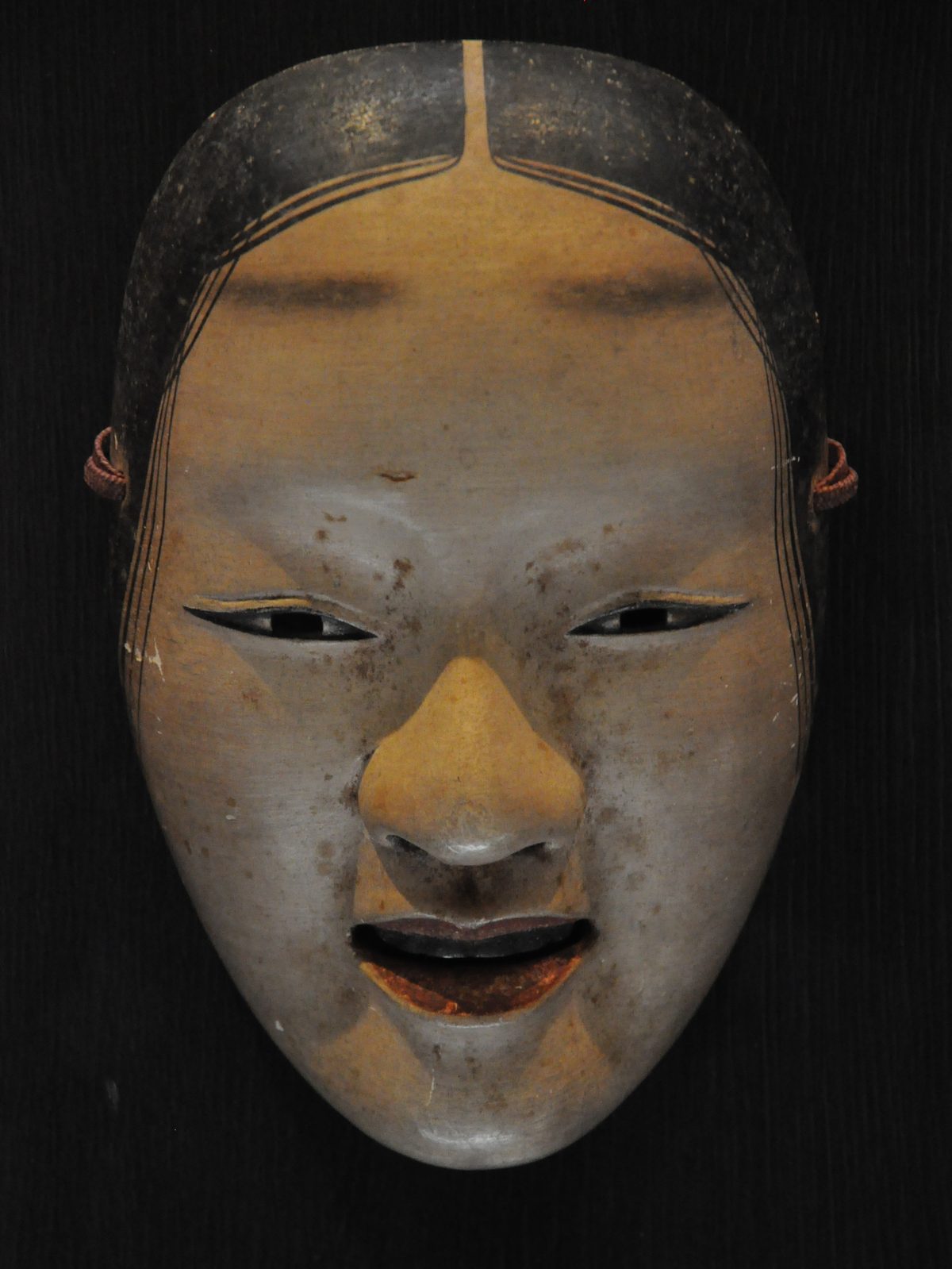
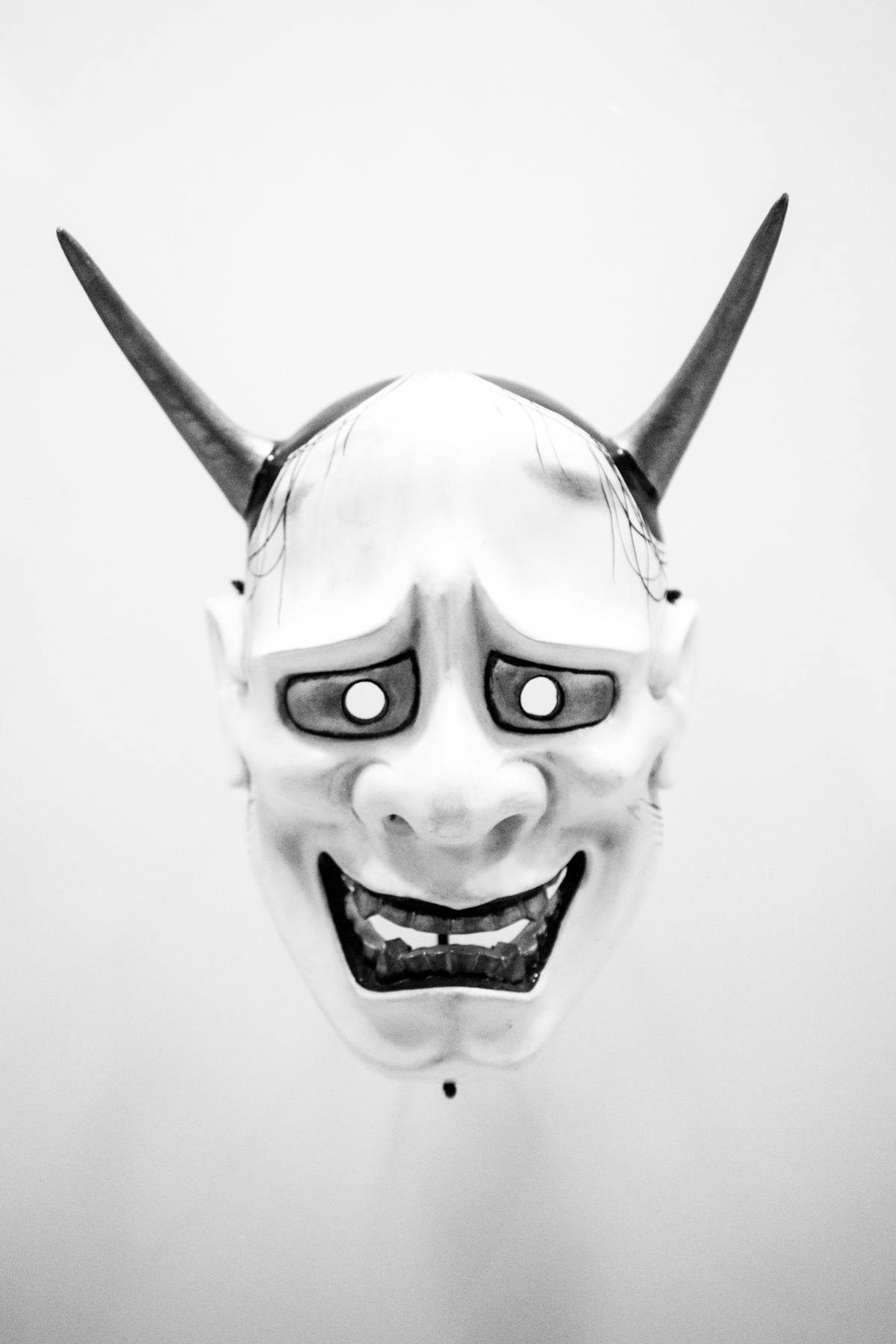
The masks are the heart of Noh. They are carved from blocks of Japanese cypress (hinoki) and painted with layers of crushed shell and natural pigments. A good mask takes weeks to carve. The best are considered national treasures.
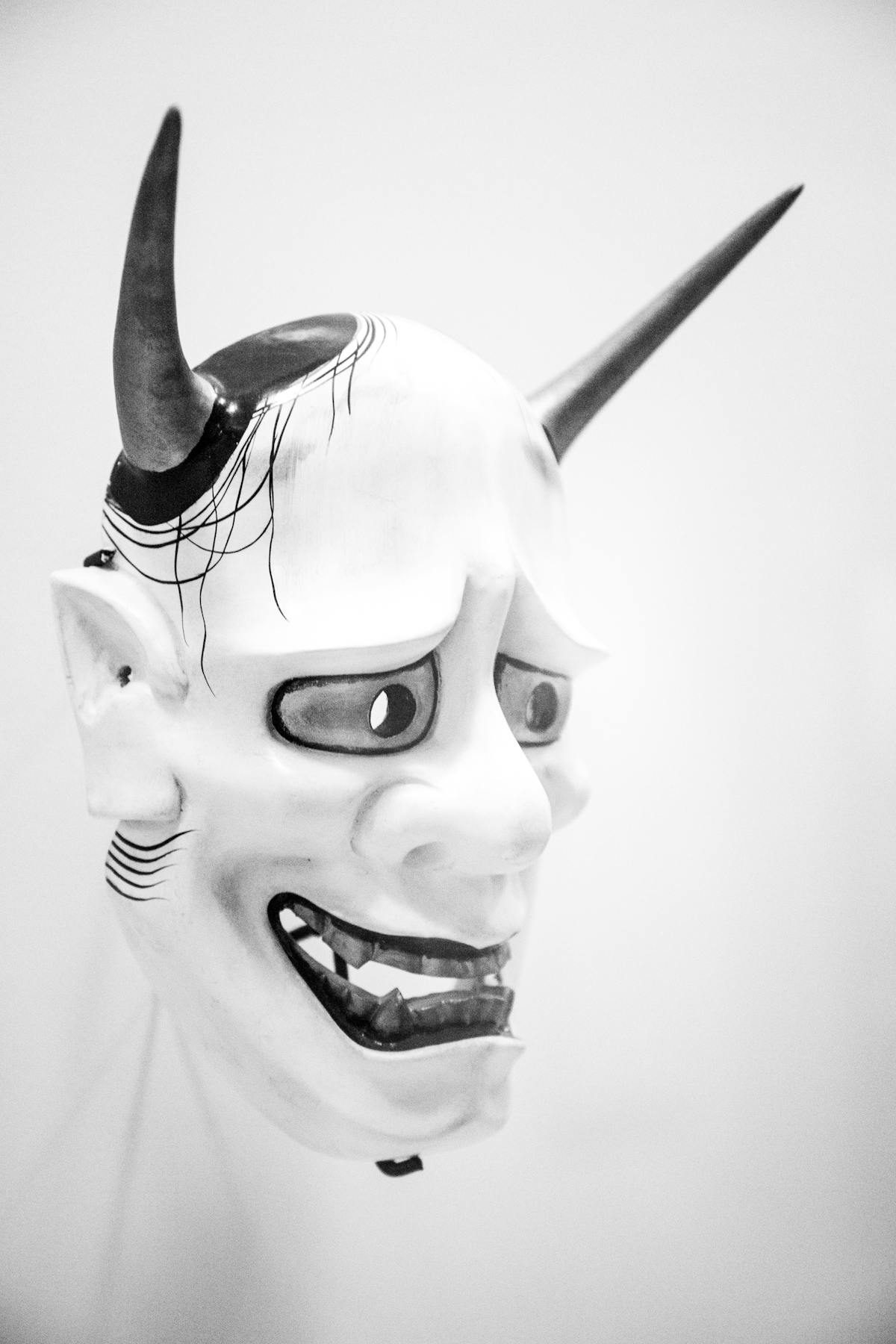
The genius of Noh masks is that they are designed to change expression depending on the angle. A mask that looks serene when level can appear to weep when tilted slightly downward, or to smile when tilted up. The performer controls the emotion of the mask through movement alone — no changing facial expressions, no blinking, no moving lips. Just the tilt of the head.
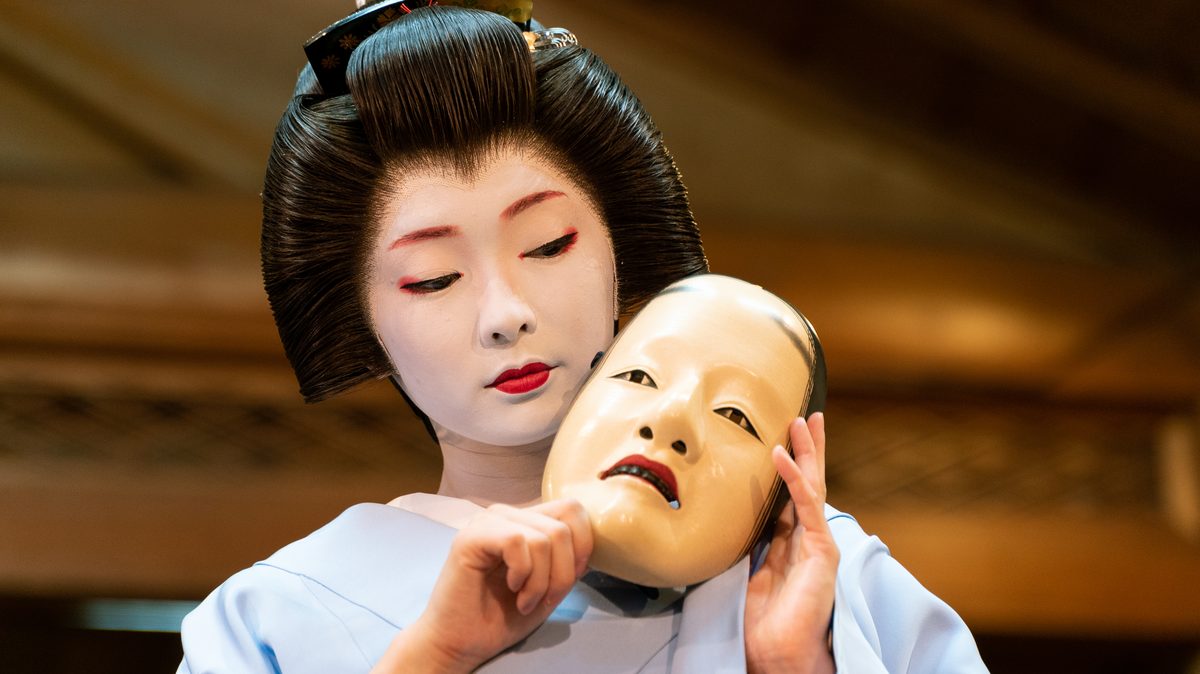
There are about 60 standard mask types. The most famous include the Ko-omote (young woman), the Hannya (female demon), the Okina (old man), and the various warrior and god masks. Collectors and museums pay huge sums for historic masks — some 15th-century examples are valued at millions of yen.
Noh in Kyushu
Kyushu has a rich Noh tradition, particularly in the former castle towns where feudal lords patronised the art. In Kokura (now part of Kitakyushu), the Ogasawara clan supported Noh performers as part of their court culture. The tradition continued through the Edo period and into the modern era.
Today, the main venues for Noh in Kyushu include:
Ohori Park Noh Theatre (Fukuoka) — The main Noh stage in Kyushu. Regular performances throughout the year, often with English programme notes available. The theatre sits beside the lake in Ohori Park, and the setting — especially for evening performances — is beautiful.
Riverwalk Kitakyushu — The cultural complex next to Kokura Castle occasionally hosts Noh performances and related exhibitions. Check the events calendar.
Shrine and temple stages — Many Noh performances in Kyushu take place outdoors on temporary stages at shrines and temples, particularly during festivals. These are often free to watch and have a different atmosphere from indoor theatre performances.
Where to See Noh Masks and Costumes
If you cannot time your visit for a live performance, there are several places in Kyushu to see Noh masks, costumes, and related artefacts:
Fukuoka Art Museum — Has a collection of Noh masks and costumes in its Japanese art section.
Kitakyushu Museum of Natural History and Human History — Covers the cultural history of the Kokura area, including its Noh tradition.
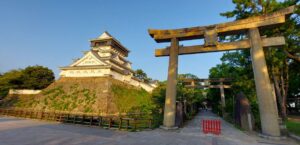
Kokura Castle Museum — The castle interior has exhibits on Ogasawara clan culture, which includes their patronage of Noh.
Dazaifu Tenmangu — The famous shrine near Fukuoka sometimes hosts outdoor Noh performances, particularly during the autumn festivals. The outdoor setting adds something that indoor theatres cannot match.
Understanding a Performance
Noh is not easy to appreciate on first viewing, especially if you do not speak Japanese. Here is what helped me:
Read the synopsis beforehand. Noh plays have been performed the same way for centuries. The plots are well documented in English. If you know the story going in, you can follow the action even without understanding the language.
Watch the masks. Forget the words — focus on how the performer uses the mask. The subtle tilts that change the expression are where the real artistry happens.
Listen to the music. The hayashi ensemble (flute and three drums) creates a rhythm that is nothing like Western music. It takes a few minutes to adjust your ears, but once you do, it becomes deeply compelling.
Do not expect a plot. Most Noh plays are more like meditations than stories. Something happened in the past, a spirit returns to reflect on it, and eventually finds peace. The journey is emotional, not narrative.
Start with a shorter piece. Full Noh programmes can last three to four hours. If you are new, look for a single-play performance or a programme that includes Kyogen (the comic interludes between Noh plays), which is more accessible and often genuinely funny.
Noh and Kyushu’s Cultural Identity
What I find fascinating is how Noh connects to everything else you see in Kyushu. The discipline of the performers echoes the samurai culture of the castle towns. The spiritual themes reflect the deep Shinto and Buddhist traditions of the region. The masks are part of the same craft tradition that produced Hakata dolls and Karatsu pottery.
If you visit Kokura Castle, learn about Hakata dolls, and attend a Noh performance, you start to see Kyushu’s traditional culture as a connected whole rather than a list of separate attractions.
Tips
- The Ohori Park Noh Theatre in Fukuoka is the easiest place to see a performance. Check their schedule online — performances happen several times a month.
- Read a plot summary before attending. English synopses of most Noh plays are available online.
- Performances run 60-90 minutes for a single play. Full programmes with multiple plays and Kyogen interludes run 3-4 hours.
- Ticket prices range from 3,000 to 10,000 yen depending on the venue and seat.
- Photography is usually not allowed during performances. Some venues allow it during rehearsals or demonstration events.