I bought my first Hakata doll from an old man in a workshop behind Kushida Shrine. He had been making them for fifty years. His hands were stained with paint, his workbench was covered in half-finished figures, and the doll he handed me — a woman holding an umbrella in the rain — weighed almost nothing. It was so delicate I was afraid to put it in my bag.
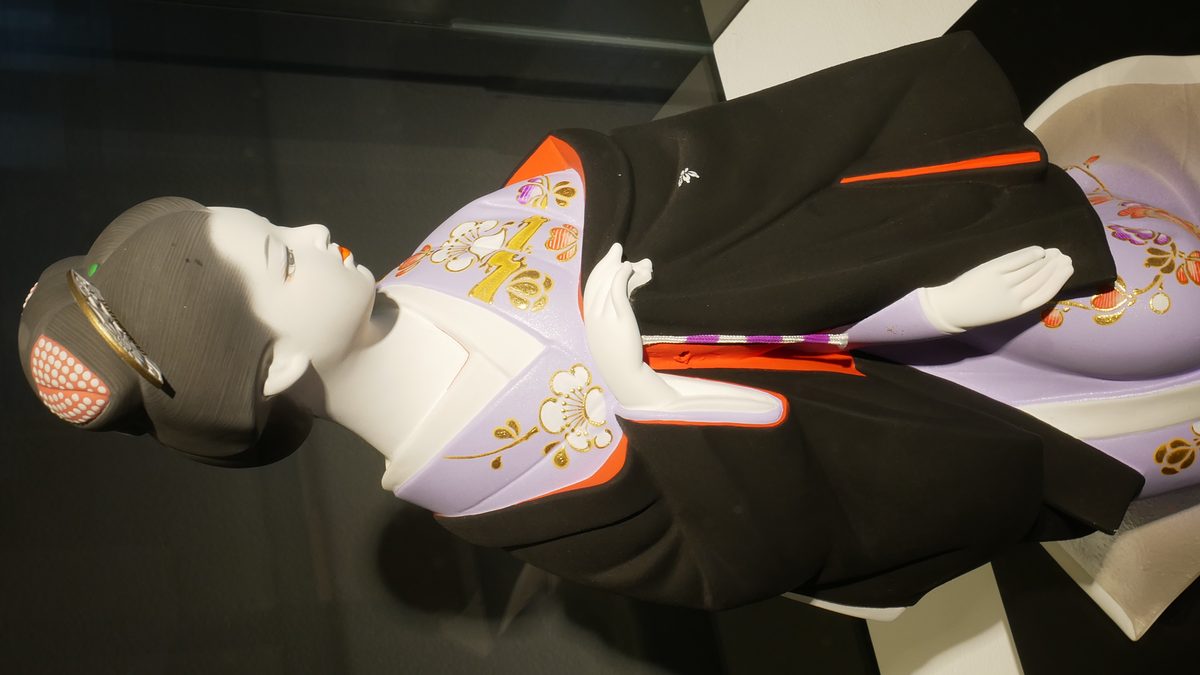
Hakata ningyo are unglazed clay dolls that have been made in Fukuoka for over 400 years. They are considered one of Japan’s finest traditional crafts, and if you have ever seen a beautifully painted Japanese figure in a museum gift shop or a collector’s cabinet, there is a decent chance it was made here in the Hakata district of Fukuoka.
What Makes Hakata Dolls Different
The technique is distinctive. The dolls are made from a special clay found in the Hakata area, shaped by hand or pressed into moulds, fired at relatively low temperatures, then painted with incredible detail using fine brushes. Unlike most Japanese pottery, Hakata dolls are left unglazed — the natural clay texture gives them a soft, warm quality that glazed ceramics do not have.
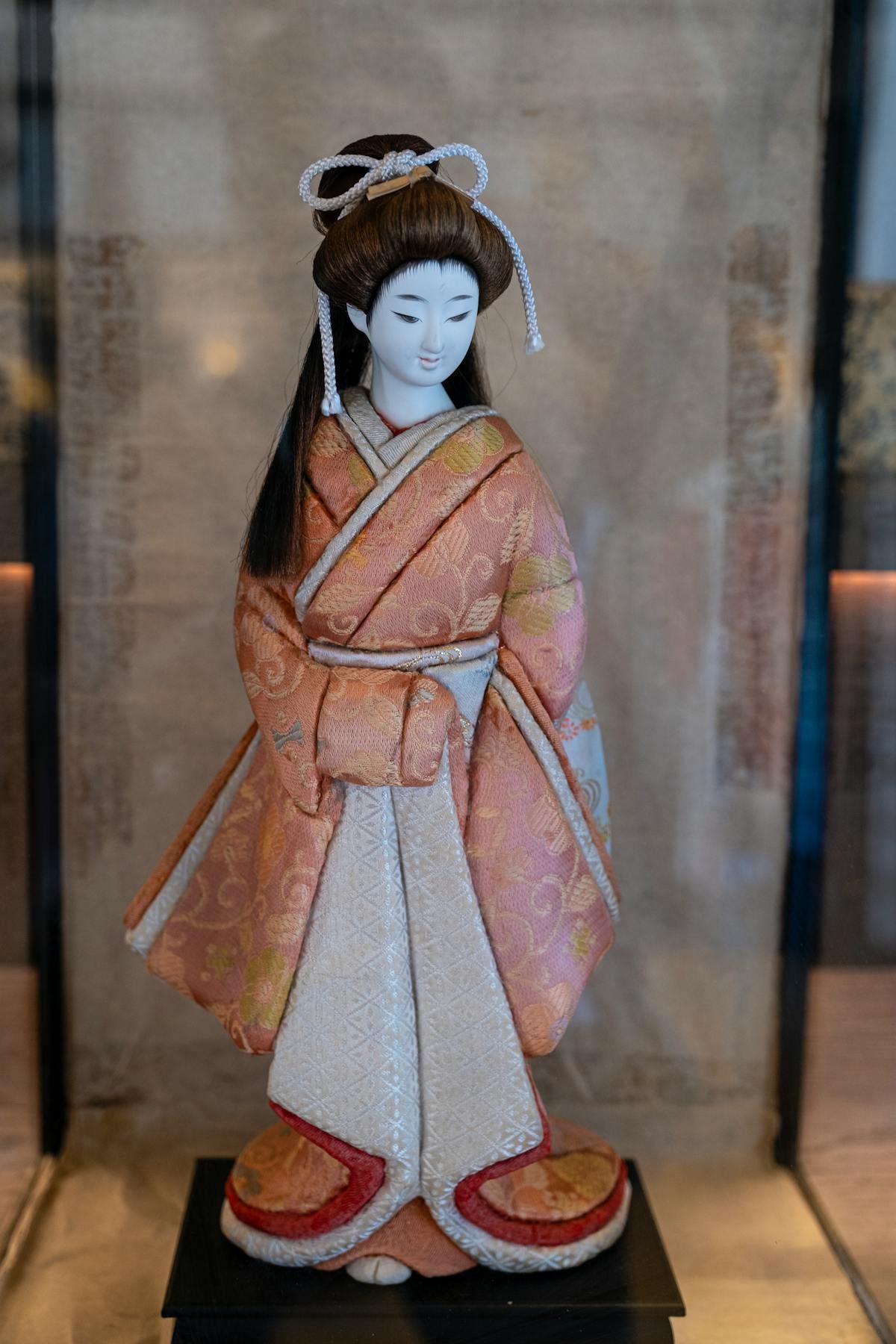
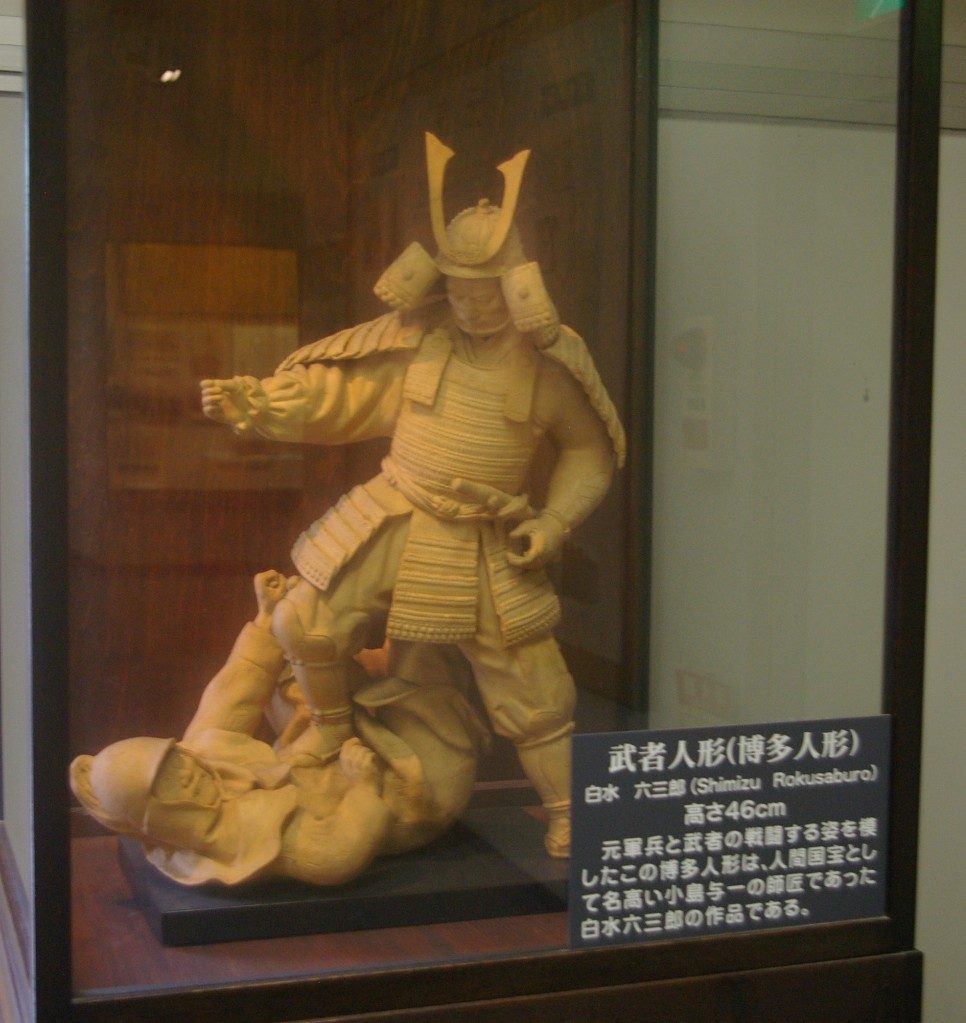
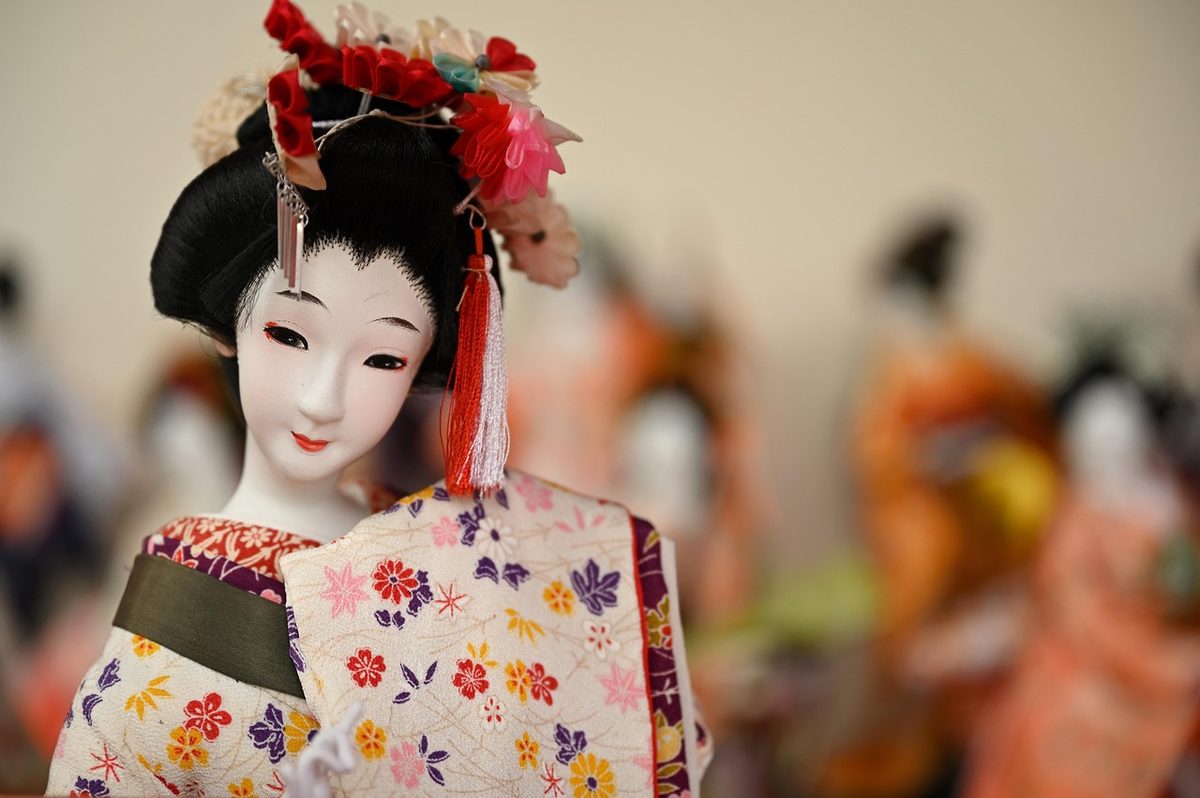
The subjects range from beautiful women in kimono to kabuki actors, sumo wrestlers, children at play, and mythological figures. The most prized dolls are the bijin (beautiful women) — elegant figures with painted silk-like clothing, delicate facial features, and a poise that makes them look like they might move at any moment.
What I find remarkable is the painting. The best dollmakers spend hours on a single face. The eyebrows, the lips, the way the eyes look slightly downward — these tiny details determine whether a doll looks alive or just looks like a doll.
The History
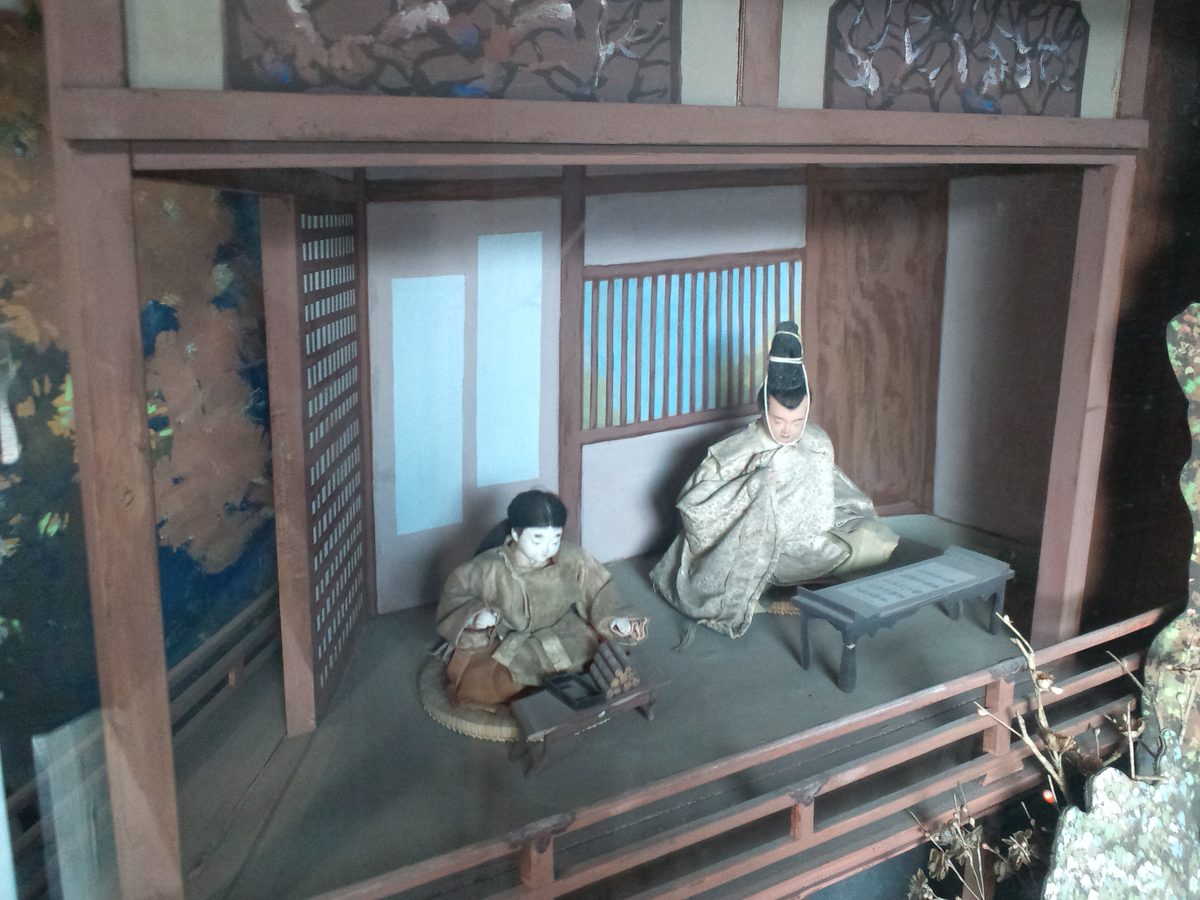
Hakata ningyo date back to the early 1600s, when local craftsmen began making clay figures using techniques brought over from China and Korea. The craft was well established by the mid-Edo period, and by the Meiji era (1868-1912) Hakata dolls were being exhibited internationally. They won prizes at world expositions in Paris, Chicago, and St Louis.
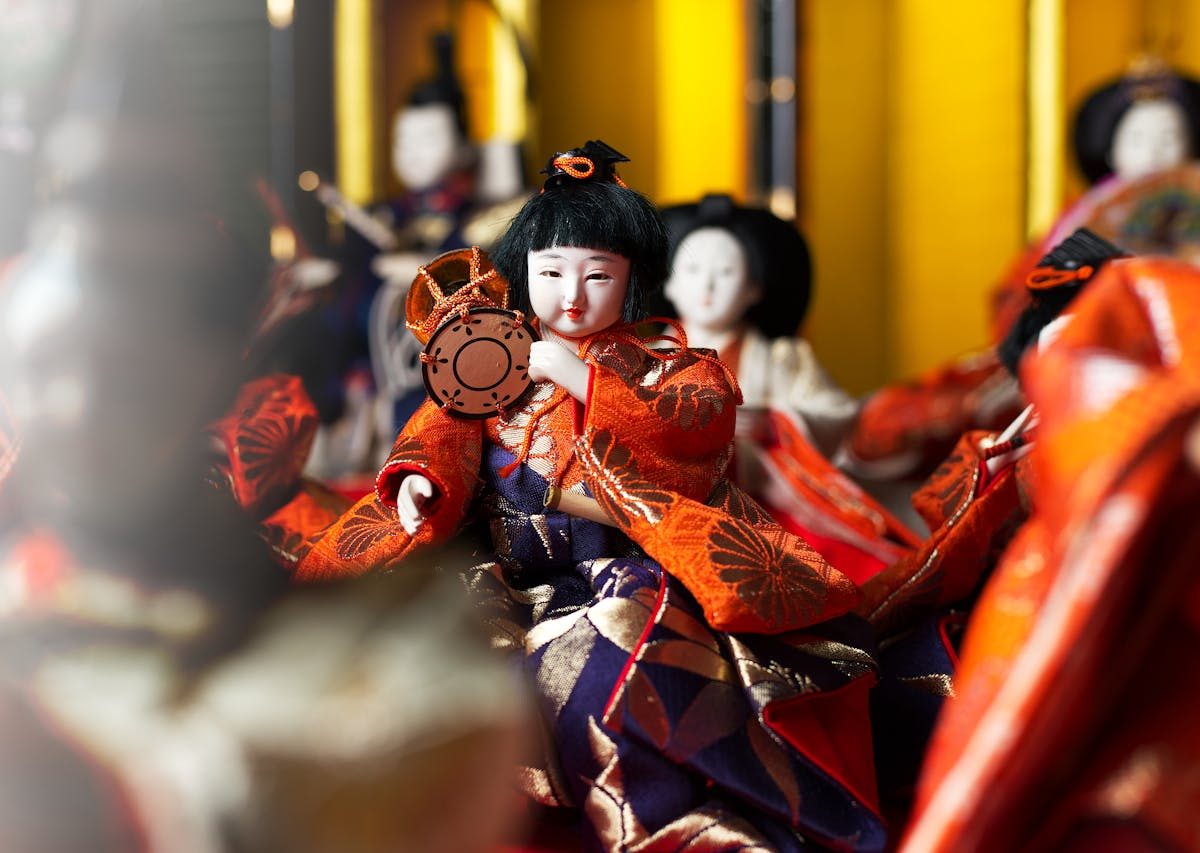
The craft was designated a Traditional Craft of Japan by the Ministry of Economy, Trade and Industry. Today there are only a few dozen active Hakata ningyo craftsmen left, down from hundreds a generation ago. The ones who remain are fiercely dedicated to keeping the tradition alive.
Where to See and Buy Hakata Dolls
Hakata Machiya Folk Museum — In the old Hakata district near Kushida Shrine. This small museum has exhibits on Hakata’s traditional crafts including ningyo, Hakata-ori textiles, and the Yamakasa festival floats. Sometimes has live dollmaking demonstrations. Free or very cheap entry.
Hakata Traditional Craft Center — Near Canal City Hakata. Has a permanent exhibition of Hakata ningyo and Hakata-ori weaving, plus a shop selling directly from local craftsmen. You can sometimes watch artisans at work.
Individual workshops — Several dollmakers have studios in the Hakata area that are open to visitors by appointment. The tourist information office at Hakata Station can help with introductions. This is the best way to see the craft up close and buy directly from the maker.
Department stores — Daimaru and Iwataya in Fukuoka’s Tenjin district have Hakata ningyo sections in their craft departments. Higher prices than buying direct, but convenient and guaranteed quality.
What to Look For When Buying
If you are buying a Hakata ningyo as a souvenir or gift, here is what separates the good from the great:
The face. Look at the expression. A skilled dollmaker captures a mood — thoughtfulness, grace, playfulness. A less skilled one produces a blank stare. The face is the first thing experts check.
The painting. Fine brush strokes on the clothing, clean lines, consistent colour. On cheaper dolls the painting is rougher and the details blur together. On quality pieces every fold in the kimono fabric is distinct.
The clay. The best Hakata dolls have a smooth, almost powdery surface. The clay should feel warm to the touch, not cold like glazed ceramics.
The maker’s mark. Good dollmakers sign their work — usually a small stamp or seal on the base. If the doll has a maker’s name, you can look them up to verify their credentials.
Prices range from 2,000-3,000 yen for small decorative pieces to 50,000-500,000 yen for large works by recognised masters. For a nice gift-quality bijin doll, expect to spend around 10,000-20,000 yen.
Combining with Hakata’s Other Crafts
While you are exploring Hakata’s craft traditions, look into Hakata-ori as well. These are silk textiles woven in Fukuoka since the 1200s, originally brought from China by a monk named Mitsuta Yazaemon. The distinctive obi (kimono sash) woven in Hakata-ori style is one of the most famous in Japan.
The Hakata Traditional Craft Center covers both ningyo and Hakata-ori, so you can see both in one visit.
Getting to the Hakata Craft District
Everything is within walking distance of Hakata Station (the Shinkansen stop in Fukuoka). Kushida Shrine, the Machiya Folk Museum, and the Traditional Craft Center are all in the old Hakata district, a 10-15 minute walk south of the station.
Tips
- The Hakata Machiya Folk Museum near Kushida Shrine is the best starting point. Small, focused, and sometimes has live demonstrations.
- If you want to buy from a workshop, ask at the tourist information desk in Hakata Station. They can call ahead and arrange a visit.
- Hakata dolls are fragile. Ask the seller to pack it carefully, or bring bubble wrap. Airport souvenir shops do not carry the good stuff.
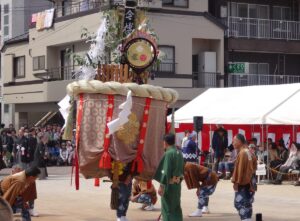
- Visit during the Hakata Dontaku festival (May 3-4) or Yamakasa festival (July 1-15) to see Hakata’s traditional culture at its most alive.
- The old Hakata district around Kushida Shrine is also the best area in Fukuoka for yatai (outdoor food stalls) in the evening.